
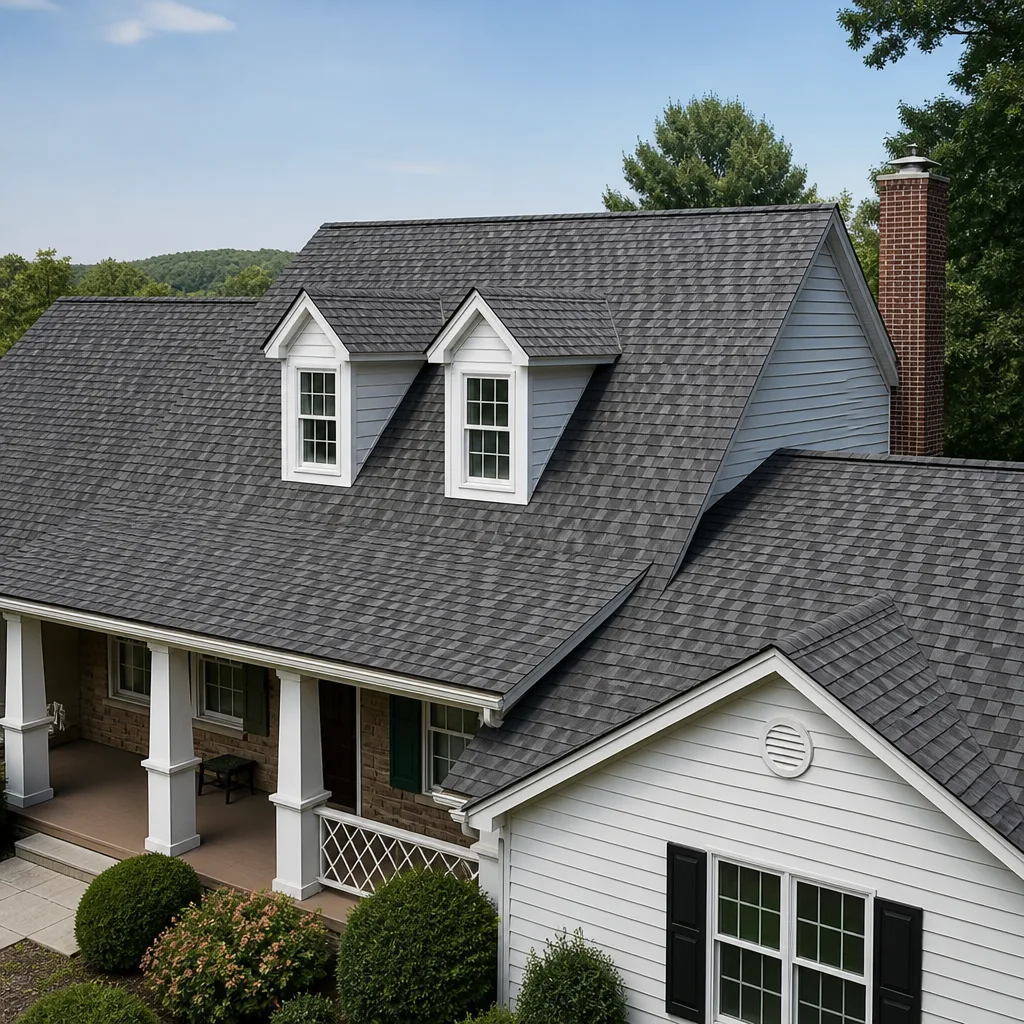
 Architectural shingles
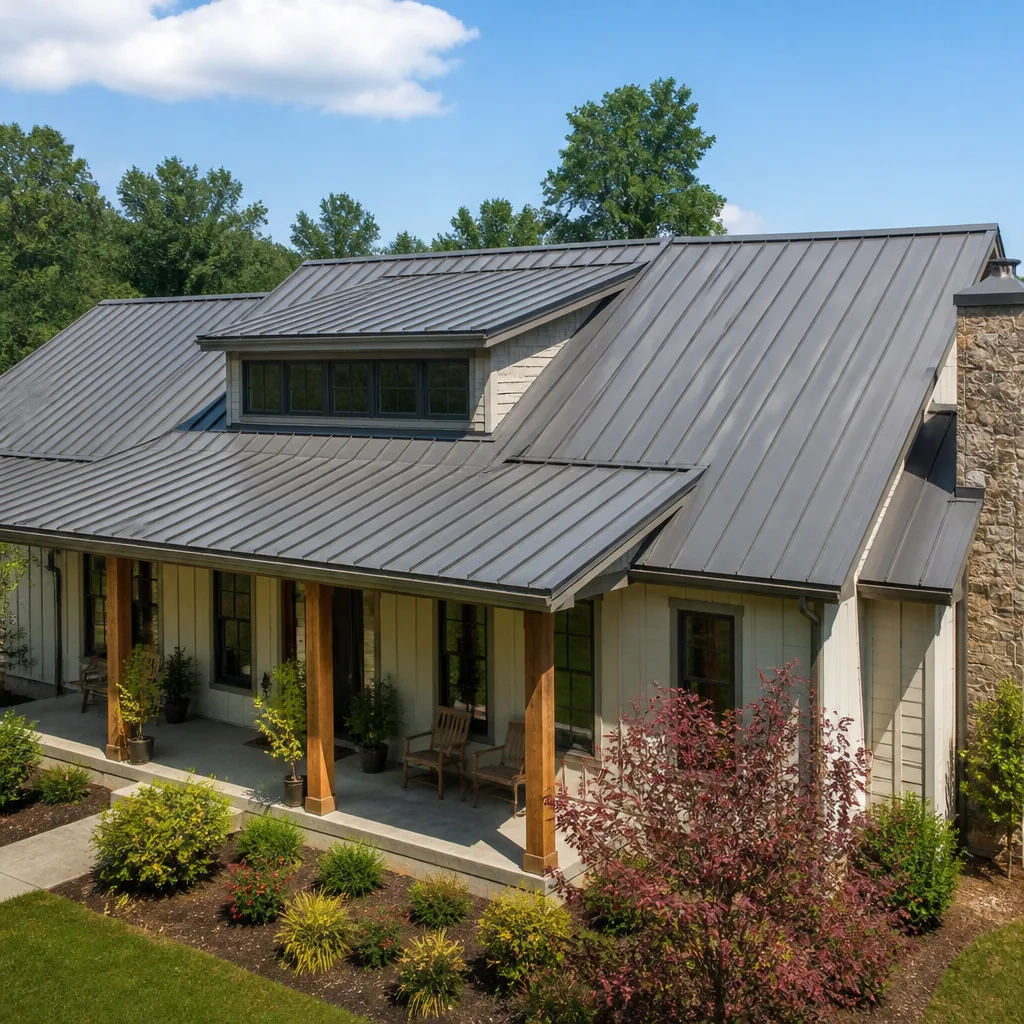 Metal roofing
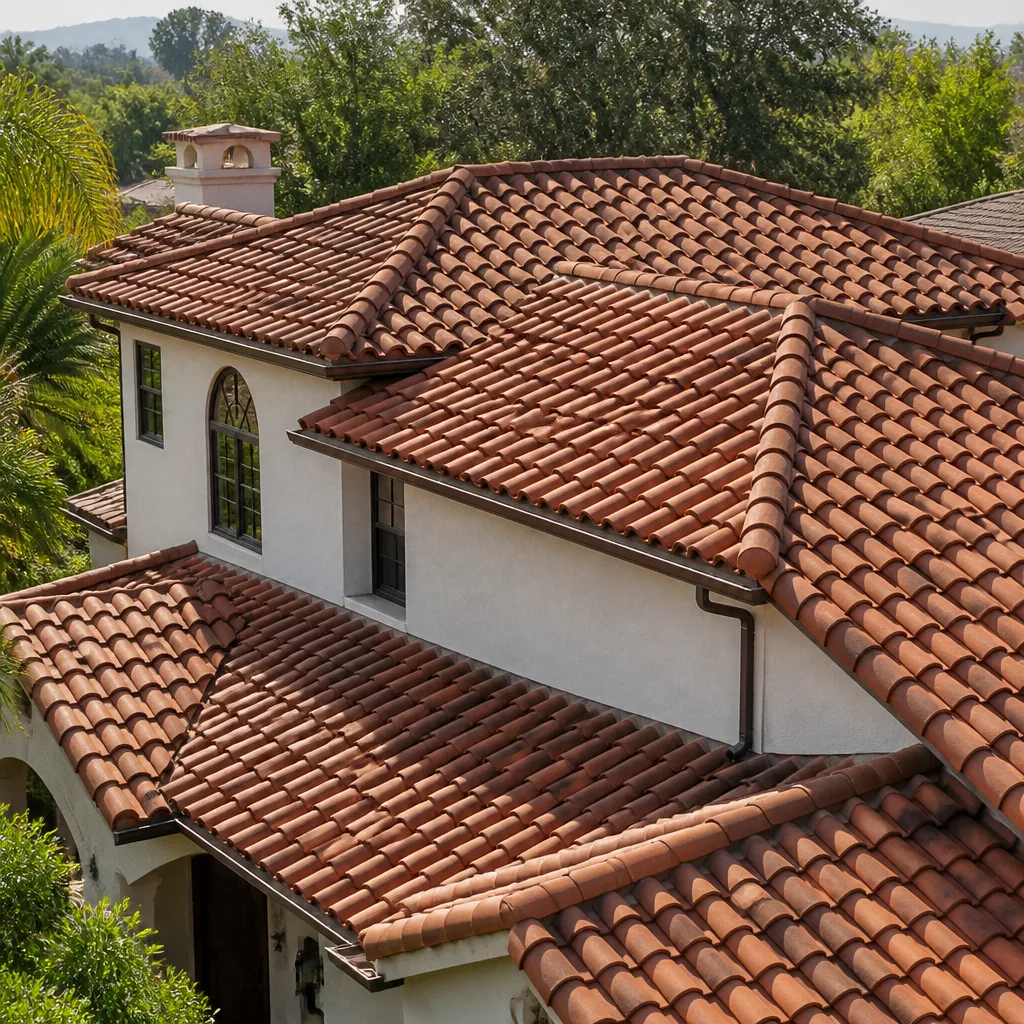 Tile roofing
 GAF
 Owens Corning
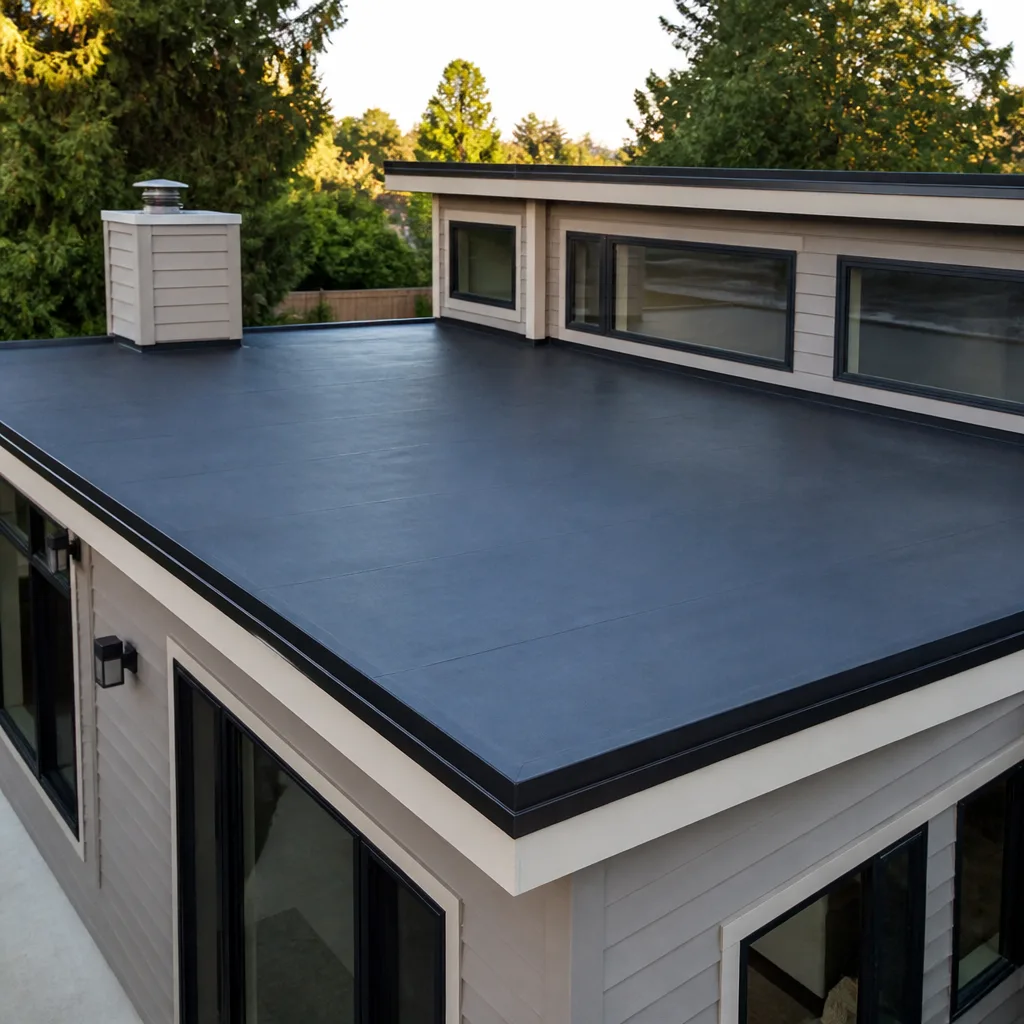 Flat & low-slope
Free roof inspection with deck photos before we talk money - GAF and Owens Corning certified installation
Styles & brands we work with
See the difference
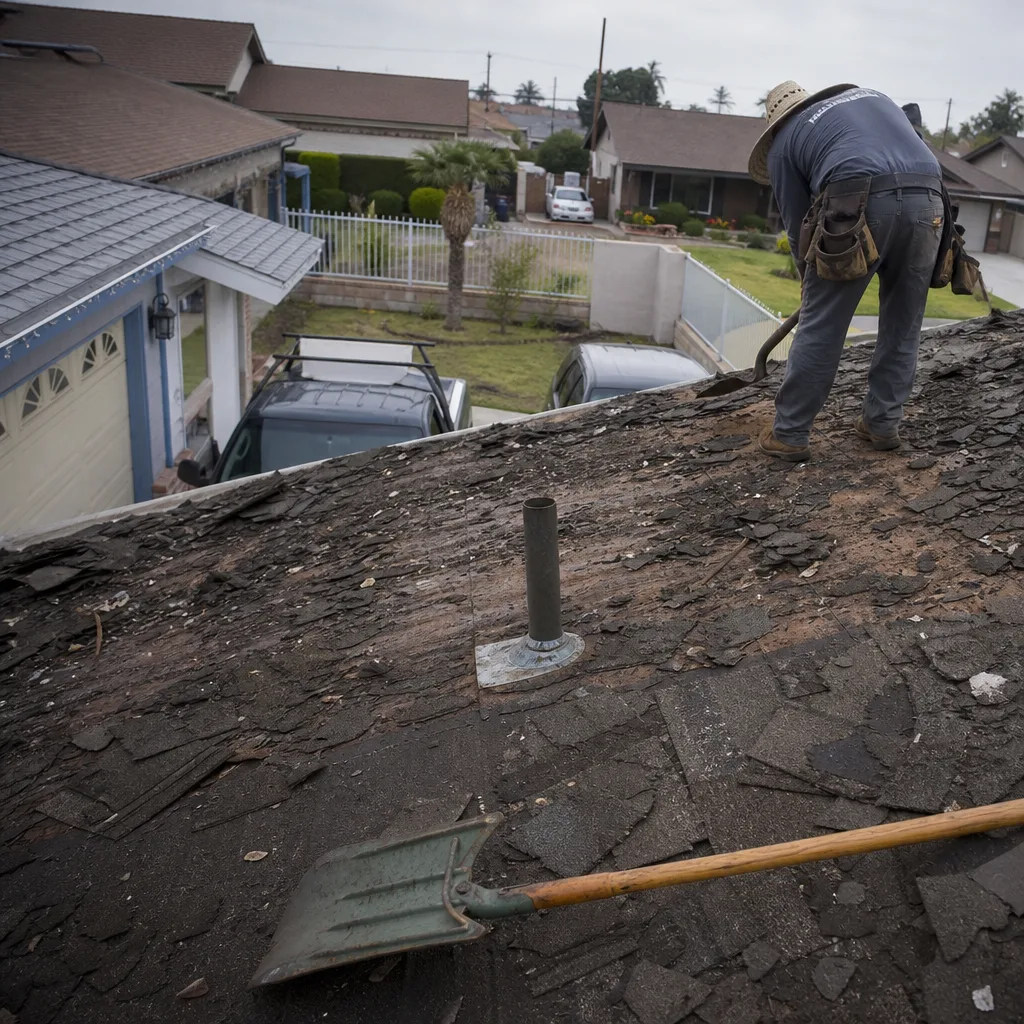 Before
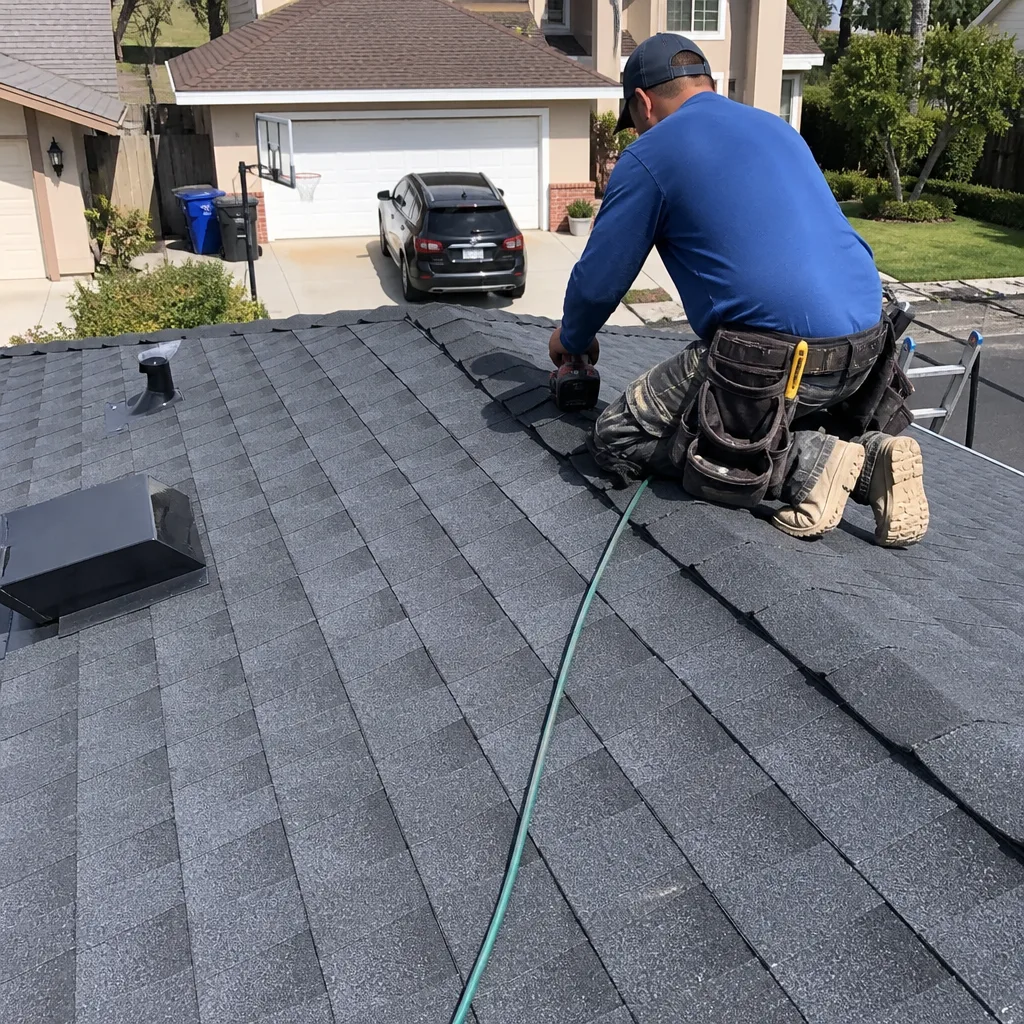 After
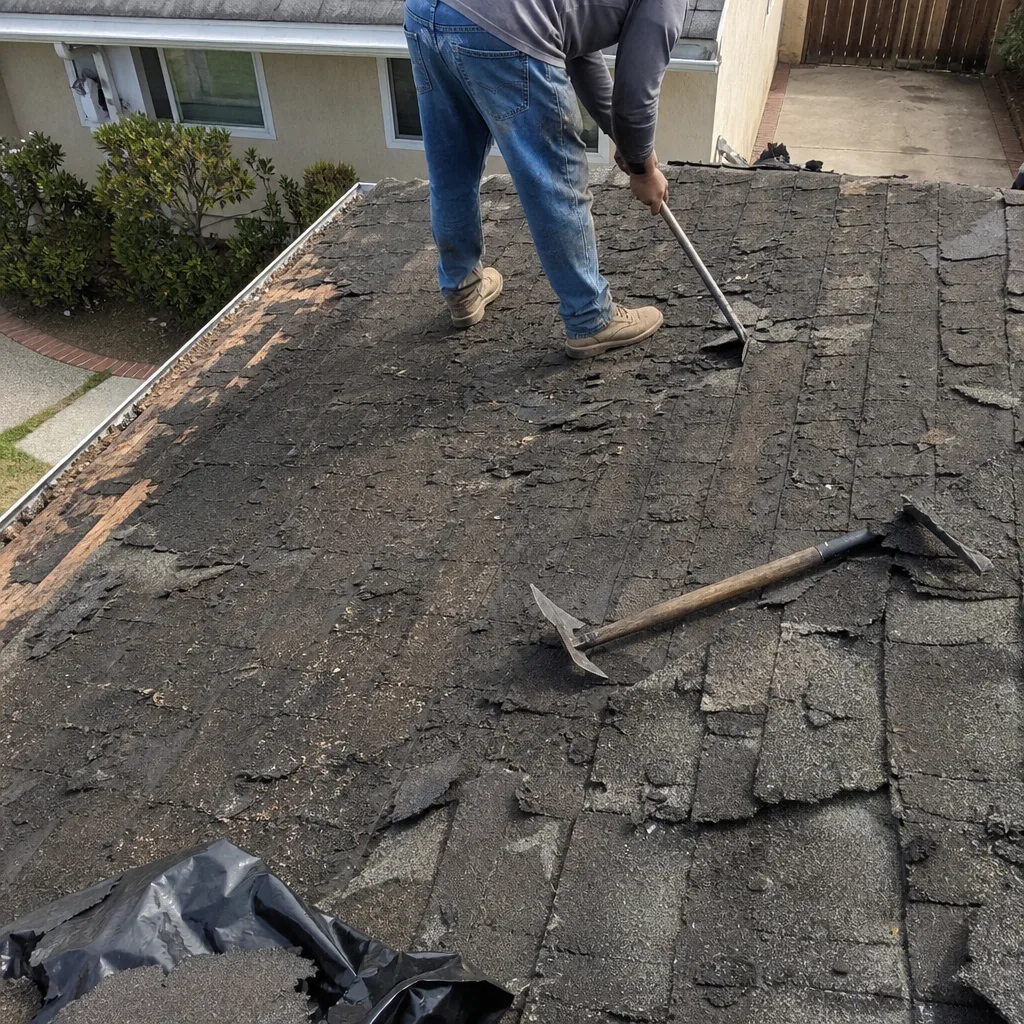 Before
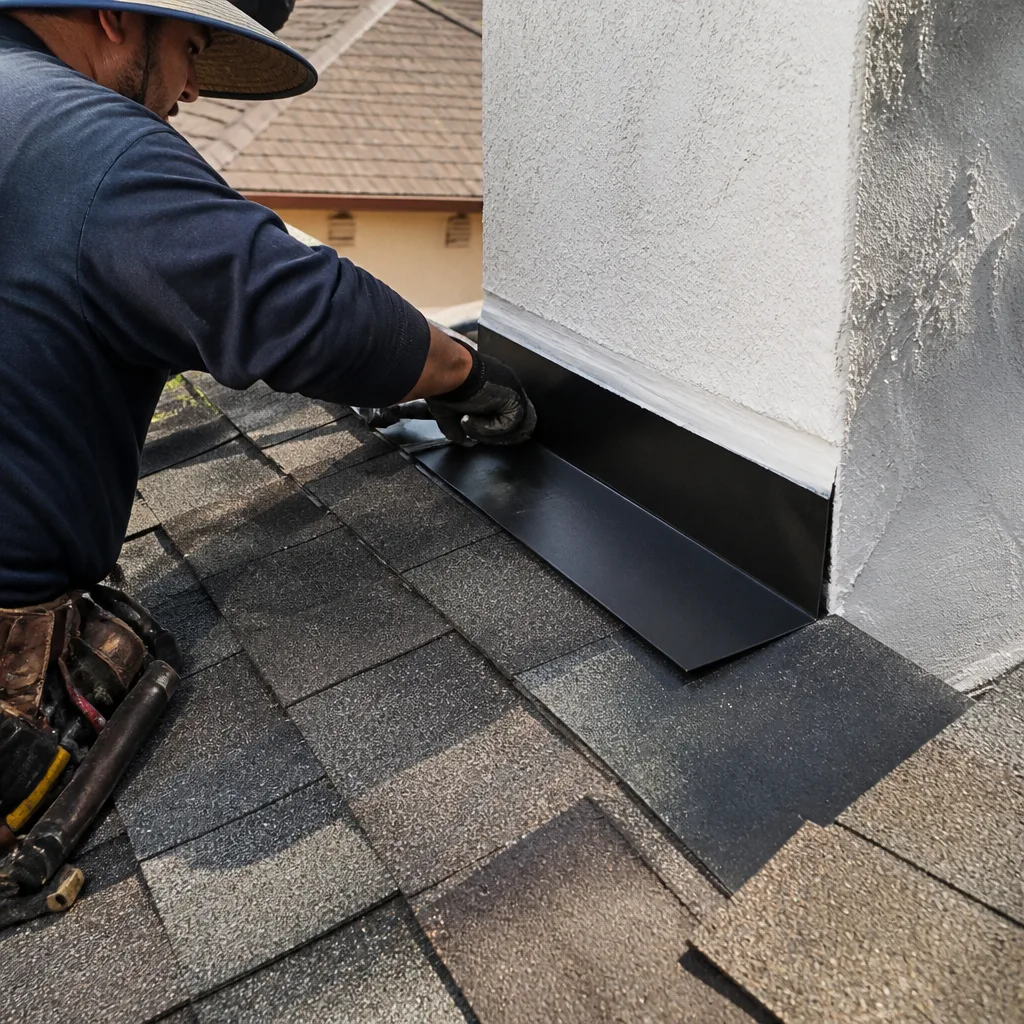 After
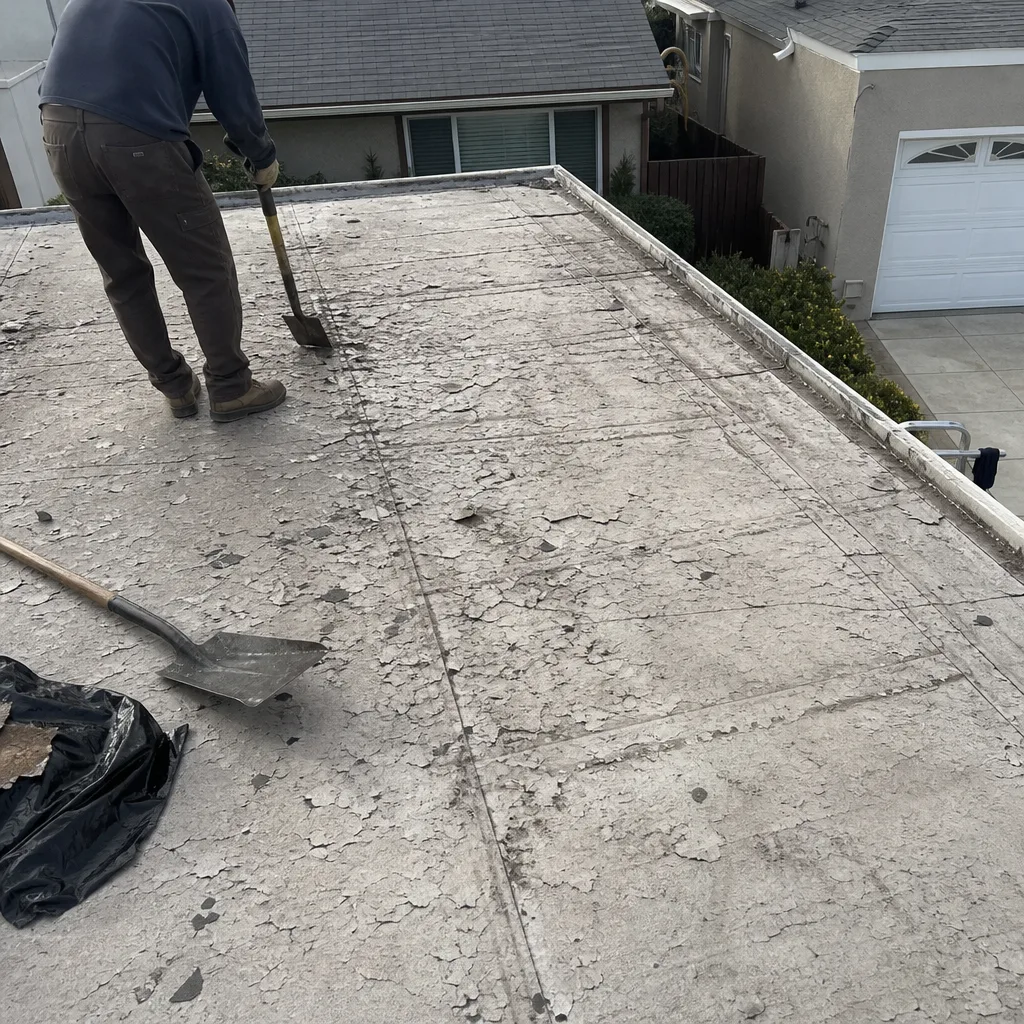 Before
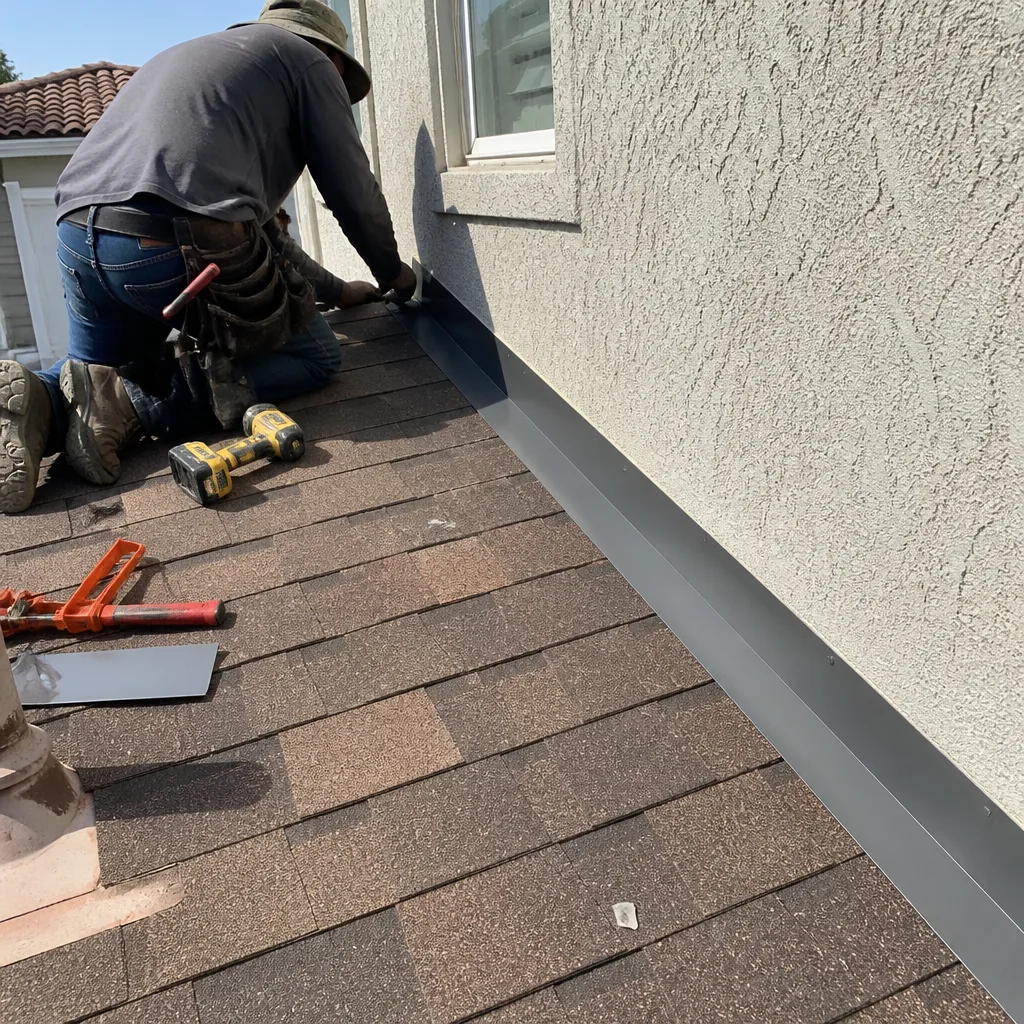 After
How Much Does Storm Damage Repair Cost in Fountain Valley?
Storm damage repair in Fountain Valley typically runs $450 to $1,800 for most single-area fixes, with a common middle range of $650 to $1,100. A handful of missing shingles or a small leak around a vent often lands near the low end, while damaged flashing, torn underlayment, or a section of compromised decking pushes the job higher. Full roof replacement after a major storm starts around $9,500 and climbs from there depending on size and material.
Those numbers reflect what we actually see on Fountain Valley roofs in 2026. Where your repair falls depends on the material on your roof, how deep the water got, and whether the damage is isolated or spread across several sections.
Key Takeaways
- Most Fountain Valley storm repairs cost $450 – $1,800, and small shingle or flashing fixes often fall under $700.
- Where the damage sits matters as much as how much there is. A leak near a valley or a chimney usually costs more to fix than one on a flat open slope.
- Fountain Valley’s coastal marine layer and occasional Santa Ana wind events stress roofs differently than the inland heat does, so repairs have to match the local weather pattern.
- Free inspections mean you’ll know the price before anyone touches your roof. Call (866) 860-9404 for an estimate.
Storm Damage Repair Cost Breakdown (2026)
Here’s how the line items break out for Fountain Valley homes this year. These are installed prices, meaning labor and materials together.
| Repair Item | Typical Price Range |
|---|---|
| Missing or blown-off shingle replacement (small area) | $250 – $600 |
| Flashing repair around chimney, vent, or skylight | $350 – $800 |
| Minor leak repair with underlayment patching | $450 – $950 |
| Damaged decking or sheathing replacement (per section) | $600 – $1,500 |
| Valley or ridge cap repair after wind damage | $500 – $1,200 |
| Tile or concrete tile crack and slip repair | $400 – $1,100 |
| Full storm-related roof replacement | $9,500 – $24,000+ |
What pushes a repair toward the top of a range? Hidden damage. Water travels, and a leak that shows up as a ceiling stain in your living room may have entered the attic ten feet away. Once we open up the area and find soaked decking or rotted fascia, the price climbs. What keeps it low? Catching the problem early, before water has had time to work its way into the structure. A $450 flashing repair today beats a $1,500 decking replacement three months from now, and that gap is the single most common reason our estimates swing in one direction or the other.
What Affects Storm Damage Repair Pricing in Fountain Valley
Fountain Valley sits close enough to the coast to catch the marine layer most mornings and far enough inland to bake under summer sun. That combination wears on roofs in specific ways, and those ways show up in your repair bill.
- Roof material and pitch. A steep tile roof takes longer to walk, stage, and repair safely than a low-slope shingle roof. Hip roofs with lots of valleys and penetrations cost more per square than a simple gable, because every transition is a place water can get in and a place we have to seal.
- Wind-driven rain direction. Santa Ana winds push rain sideways from the northeast. Roofs on the exposed side of a Fountain Valley home often take damage on slopes and edges the homeowner never expected, while the sheltered side stays clean. We map which faces took the hit before pricing anything.
- How deep the water traveled. A surface problem is a cheap fix. Water that reached the underlayment, sheathing, or attic insulation is a bigger job. In neighborhoods like those near Mile Square Park, where many homes date to the 1960s and 1970s, original decking sometimes needs replacement once it’s been wet.
- Age of the roof. Older shingles and dried-out sealant strips fail faster under wind uplift. If your roof is already near the end of its service life, a repair may only buy a season or two, and we’ll tell you that plainly rather than sell you a patch that won’t hold.
- Access and height. Two-story homes and roofs with tight side yards take more setup. That’s labor time, and labor is a real part of every estimate.
- Whether a permit is needed. Fountain Valley requires permits for structural roof work and full replacements. Minor repairs usually don’t trigger one. We’ll tell you upfront when your job crosses that line so there are no surprises.
Why Local Storm Patterns Raise (or Lower) Your Repair Bill
Fountain Valley doesn’t get Midwest-style hail, but it does get the kind of weather that finds weak spots. The morning marine layer keeps roofs damp for hours, which softens sealants and lets small gaps stay wet long enough to rot wood. Then the dry Santa Ana winds arrive and lift shingles that were already loosening. That wet-then-dry cycle is hard on a roof, and it’s why we regularly see edge and ridge damage on Fountain Valley homes after a wind event even when the rainfall total was modest.
The practical result for your budget: repairs here tend to cluster around flashing, ridge caps, and roof edges rather than the broad field damage you’d see after a hailstorm. Those targeted fixes are usually less expensive than a large tear-off, which is good news. Catching them before the next rain is what keeps them cheap.
When a Repair Makes Sense (and When It Doesn’t)
We start with an honest inspection. You will know exactly what needs to be done, and why, before any work begins. Sometimes that answer is a straightforward repair. Other times the honest answer is that the roof has taken enough damage that patching it is throwing money at a problem that will come back.
A few rules of thumb from the roofs we see around Fountain Valley:
- If the damage is confined to one area and the rest of the roof has years of service left, repair it.
- If the roof is already past its expected lifespan and storm damage is widespread, replacement usually costs less over five years than a string of repairs.
- If more than roughly a quarter of the roof surface is compromised, a full replacement often makes more financial sense than piecemeal work.
Because we cover inspection, repair, and full replacement under one roof, so to speak, a repair that grows into a replacement doesn’t mean starting over with a second contractor. One call covers the entire job. You can read more about how we handle the full scope on our Storm Damage Repair in Fountain Valley page, and get the broader picture of how we work from our home page.
How to Save on Storm Damage Repair
There’s no magic discount that makes storm damage disappear, but a few habits reliably keep the bill down:
- Get it inspected before the next rain. A small flashing gap fixed in dry weather costs a fraction of the same gap fixed after it’s soaked your attic. The earlier we see it, the lower the price.
- Document the damage now. Photos of missing shingles, cracks, and interior stains help with any insurance claim and speed up the estimate.
- Ask for the line-item breakdown. You should see labor and materials split out. A contractor who won’t itemize is one to walk away from.
- Fix the source, not the stain. Painting over a ceiling water mark without repairing the roof entry point just delays a bigger bill.
- Bundle small fixes. If several minor issues turned up in one inspection, doing them in a single visit saves on setup and travel time.
Free estimates are standard for us. Call (866) 860-9404 and we’ll walk the roof, show you what we find, and put a number on it before you commit to anything.
The Materials Question and Why It Shapes Cost
When a repair turns into a replacement, material choice drives the final price more than anything else. This is where working across seven roofing brands makes a real difference. We install and service products from GAF, CertainTeed, Owens Corning, IKO, Atlas, Tamko, and Boral. That range means the recommendation follows your roof, your budget, and the local climate, not a supplier agreement.
For a Fountain Valley home dealing with marine-layer damp and wind, a heavier architectural shingle from one of these lines might hold up better than a lighter economy product. On a tile roof, matching the existing profile matters for both looks and performance, and Boral’s tile range is one we lean on for that. We’ll explain the trade-offs in plain terms and let you decide. Built around your roof, not a brand deal.
What the Inspection Actually Tells You
The estimate starts with an inspection, and a good one isn’t a five-minute walk-around. We check the field of the roof, the flashing at every penetration, the valleys, the ridge and edges, the attic if we can get in, and the interior for signs water got past the surface. On a Fountain Valley roof after a storm, the edge and ridge are where we look first, because that’s where the wind does its damage.
You’ll get a clear picture: what’s damaged, what’s fine, what’s near the end of its life, and what each fix costs. No pressure to replace what can be repaired, and no patching something that’s past saving.
FAQs – Storm Damage Repair Cost
How much does storm damage roof repair cost in Fountain Valley?
Most storm damage roof repairs in Fountain Valley cost between $450 and $1,800, with small shingle or flashing fixes often coming in under $700. Larger jobs involving decking or multiple damaged sections can reach $1,500 or more. Call (866) 860-9404 for an exact quote based on your roof.
Is it cheaper to repair or replace a storm-damaged roof?
Repair is cheaper when damage is isolated and the rest of the roof has service life left, typically running $450 – $1,800 versus $9,500 and up for a replacement. If more than about a quarter of the roof is compromised or the roof is already old, replacement is usually the better value. A free inspection gives you the honest answer.
Does homeowners insurance cover storm damage repair in Fountain Valley?
Insurance often covers sudden storm damage like wind-lifted shingles or a fallen limb, less commonly wear-and-tear that a storm merely revealed. Coverage varies by policy, so we recommend documenting the damage with photos and calling your insurer before work begins. We’ll give you a written estimate you can submit with a claim.
Can you come today after a storm?
We prioritize active leaks and post-storm damage, and same-day inspections are often possible depending on schedule. Call (866) 860-9404 and we’ll tell you the soonest we can be out. Even a temporary measure to stop water intrusion can prevent a much larger repair later.
How long does a storm damage repair take?
Most single-area repairs wrap up in a few hours to a single day. Jobs involving decking replacement or multiple sections may take two to three days. Full replacements run several days depending on roof size and material, and we’ll give you a realistic timeline with your estimate.
Get an Honest Number Before You Commit
Roofing is the only thing we do, and that focus is why we can give you a straight answer about whether your storm damage calls for a repair or a replacement. Whether you’re in a home near Mile Square Park or anywhere else in Fountain Valley, one call covers the full range: inspection, repair, and replacement from a single contractor. We work across all seven major manufacturers, so the material advice you get is built around your roof, not a supplier deal. Call (866) 860-9404 for a free estimate and get the number in writing before any work begins.
Pricing reflects the Fountain Valley market as of 2026. Willowbrook Roof Repair offers free estimates – call (866) 860-9404.
What Our Customers Say
"Roof is solid and the price was competitive. The job ran a day over because of weather, which is nobody's fault, but I would have liked a call about it rather than noticing the crew hadn't shown up."
— Allen Wong"Added a ridge vent and cleared the blocked soffit vents. Attic temperature in the summer dropped noticeably and the upstairs is livable now."
— Grace Nguyen"Leak over the kitchen turned out to be a cracked boot around a vent pipe, not the roof itself. He showed me the photo from up there and replaced the boot for a couple hundred dollars. The company before him had quoted a full tear off."
— Mark Pruitt