Last updated October 30, 2026
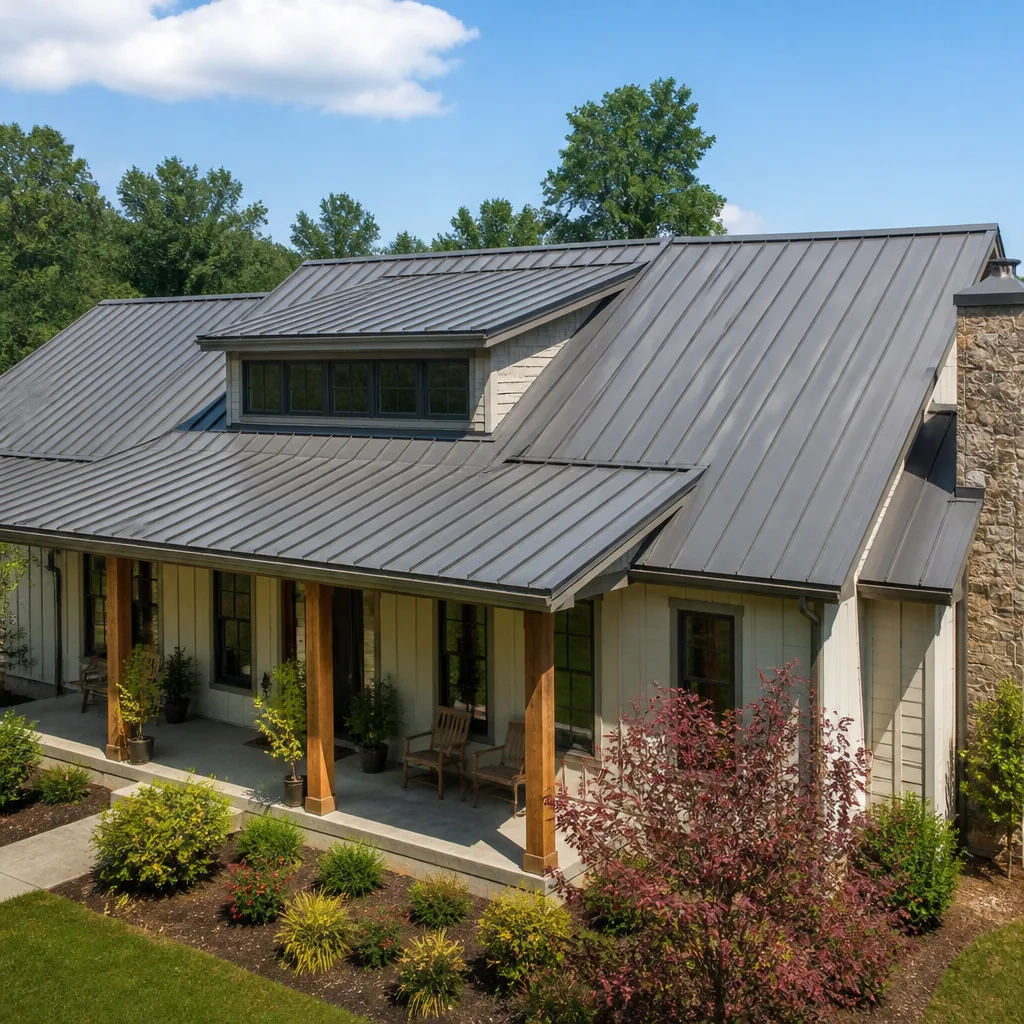 Metal roofing
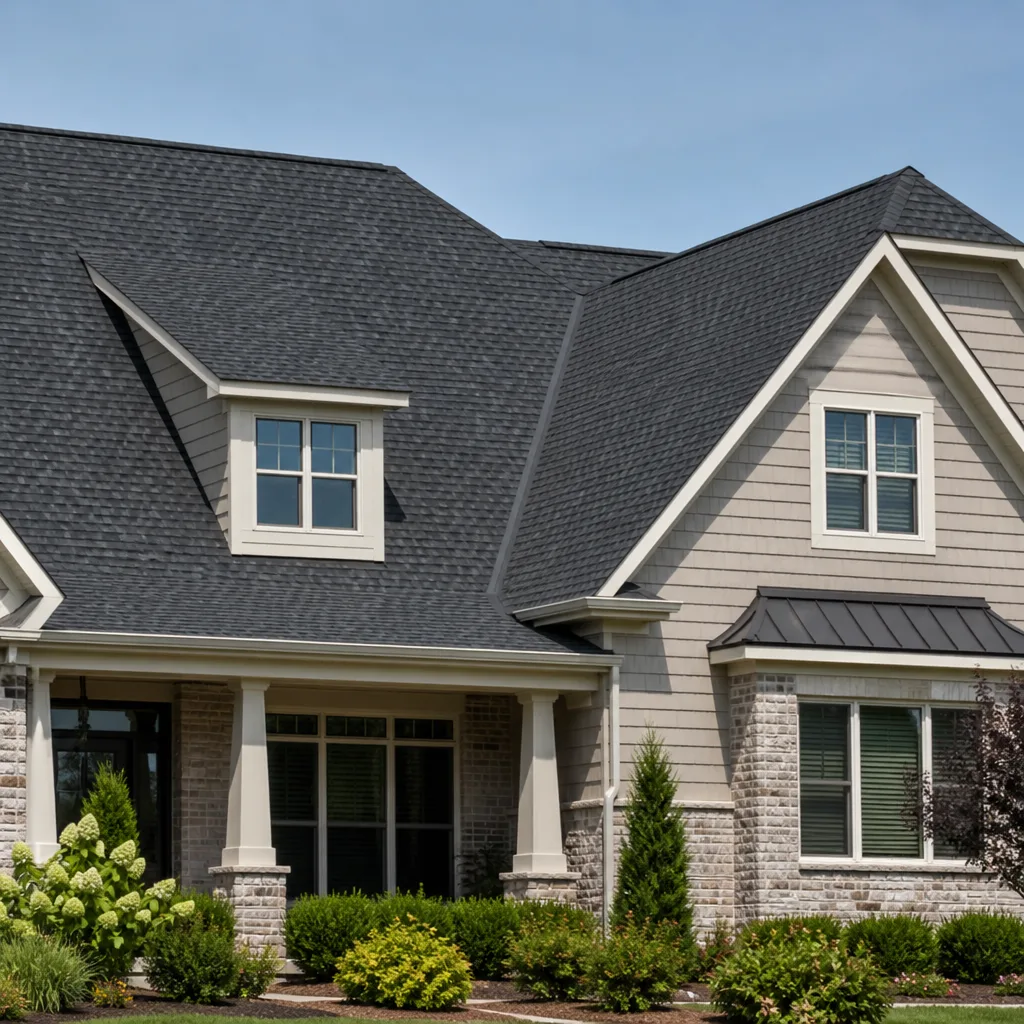 Architectural shingles
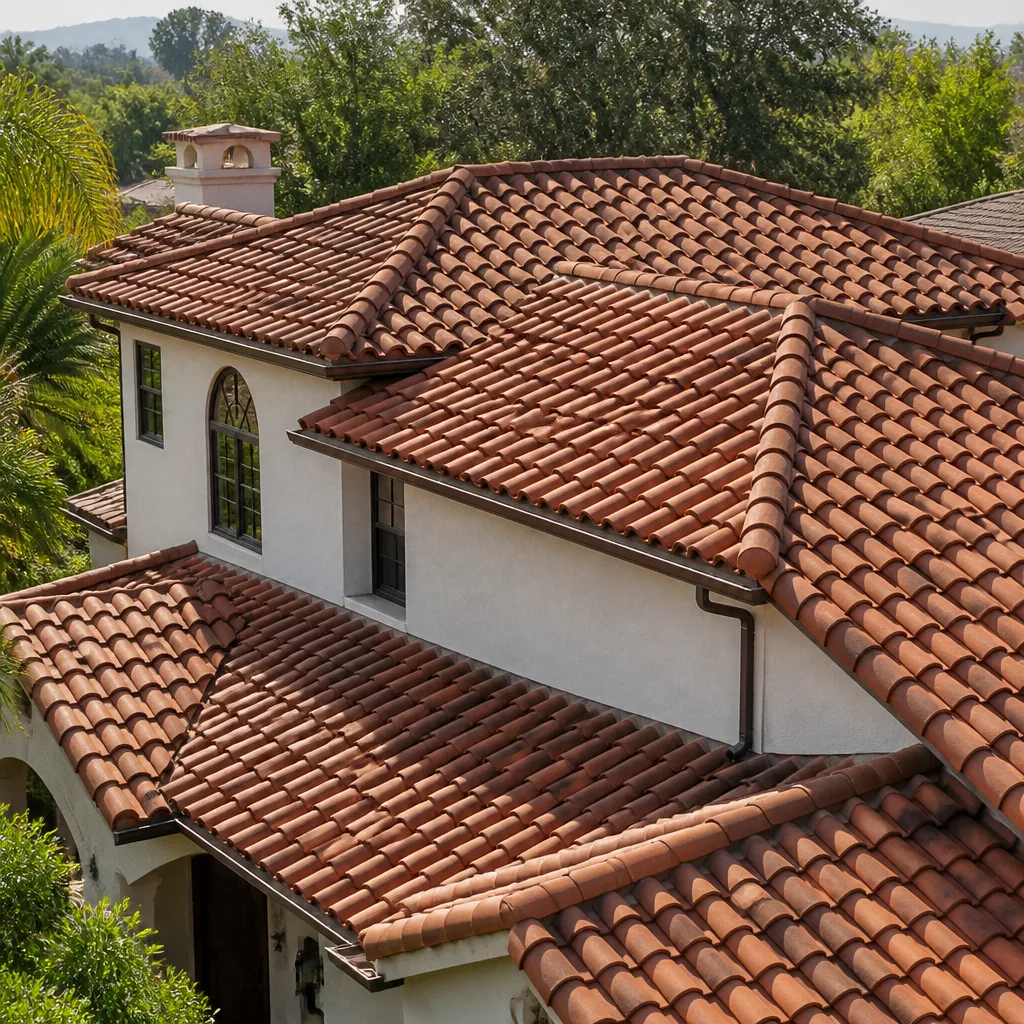 Tile roofing
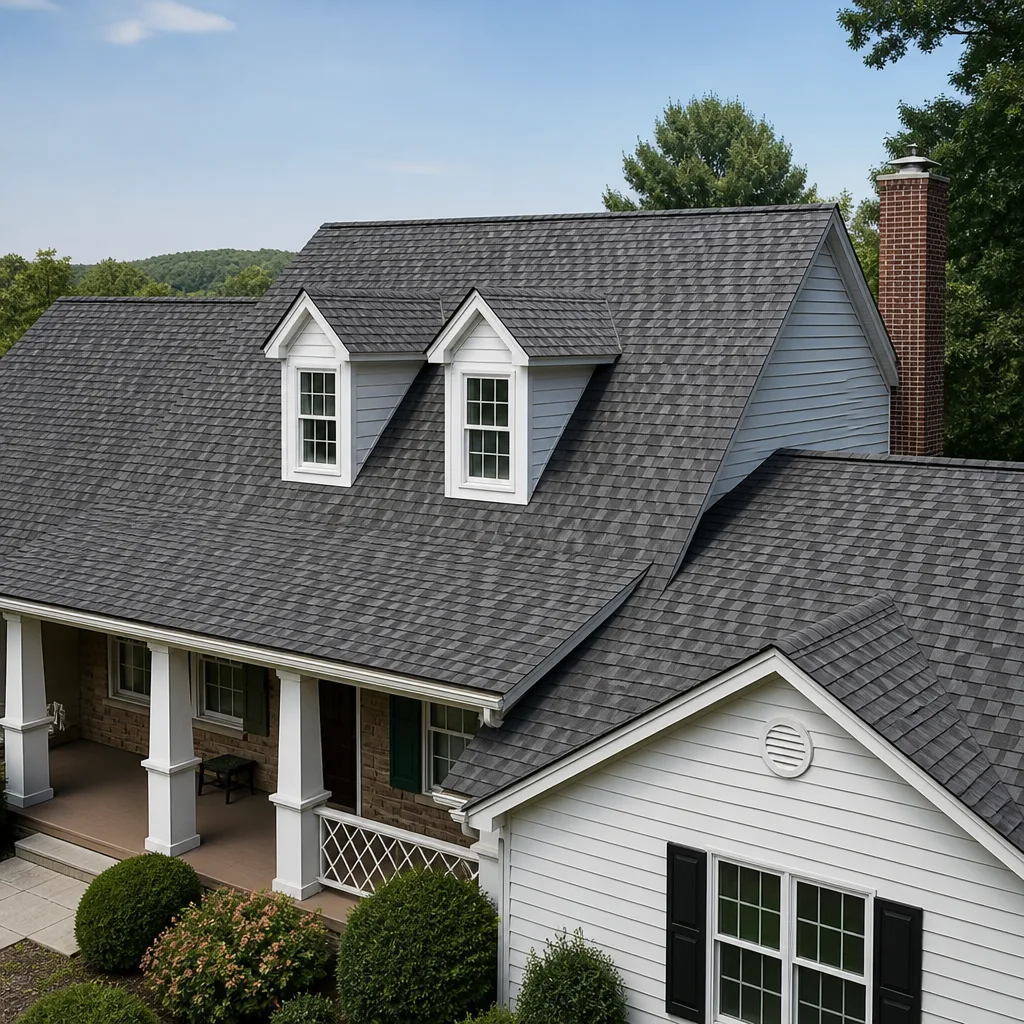 GAF
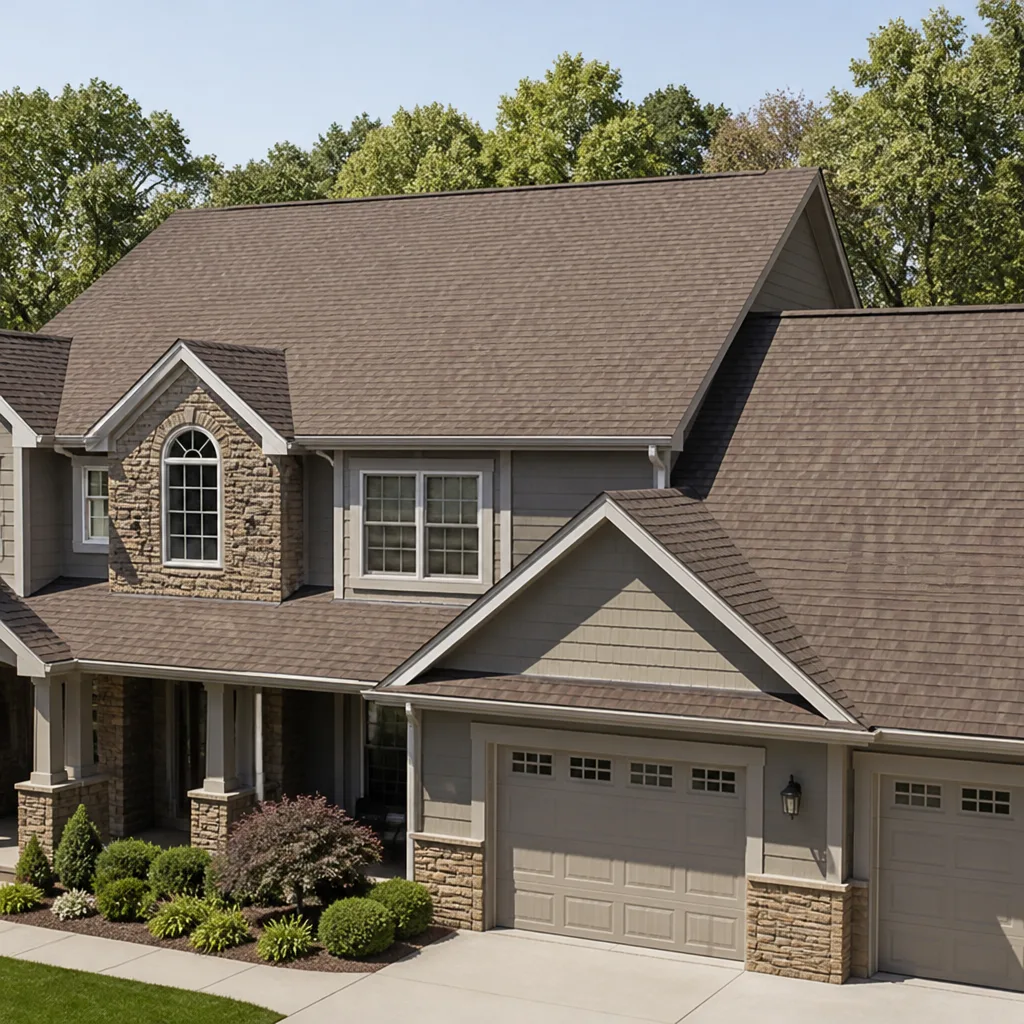 Owens Corning
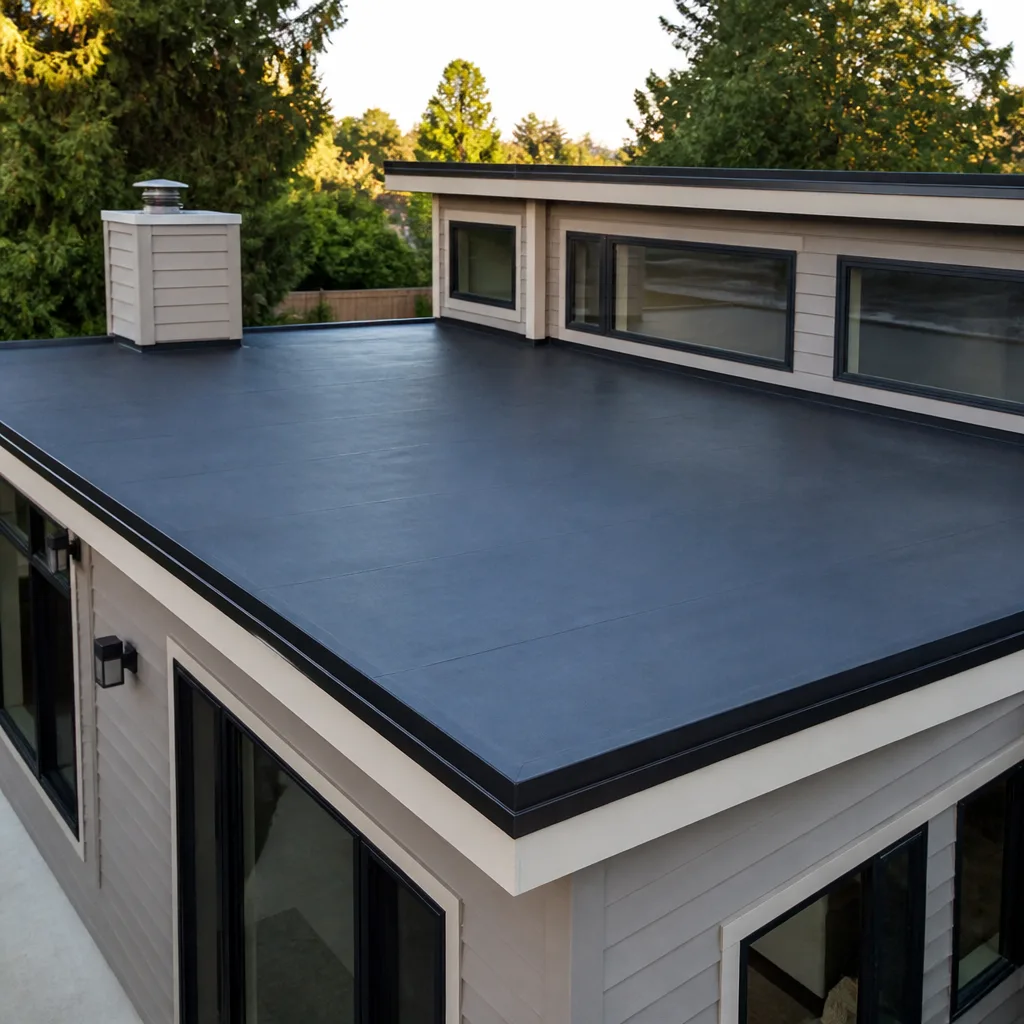 Flat & low-slope
Free roof inspection with deck photos before we talk money - GAF and Owens Corning certified installation
Roofing Cost Breakdown: The Fountain Valley Homeowner’s Reference for 2026
Two Fountain Valley re-roof quotes can differ by $8,000 on a 2,000-square-foot house without either contractor being dishonest. The gap usually lives in underlayment spec: 30-year synthetic versus 15-pound felt. It lives in flashing material: lead versus aluminum versus copper. It lives in whether haul-away is a real line item or absorbed into a padded labor number. Most homeowners compare only the bottom line and miss the components that actually determine what they are paying for. This reference breaks down every line item on a Fountain Valley roofing estimate so you can compare quotes on what is actually being installed, not on a total price that hides more than it reveals.
Quick Answer
A full roof replacement in Fountain Valley in 2026 typically runs $12,000 to $38,000 depending on material, roof complexity, and underlayment specification. Per-square costs (one square = 100 square feet) land around $550 to $950 for architectural asphalt shingles, $700 to $1,200 for concrete tile, and $1,100 to $1,800 for standing seam metal. The single biggest controllable variable is underlayment grade, not the shingle or tile you choose.
Styles & brands we work with
Table of Contents
- Material Costs Per Square: What Each Roofing Type Actually Costs in Fountain Valley
- Labor Costs Per Square: What a Standard Fountain Valley Re-Roof Should Look Like
- Underlayment: The $4,000 Line Item Nobody Explains
- Permit and Inspection Fees in Fountain Valley: How Scope Affects the Number
- Cost-Per-Year: The Only Comparison That Matters
- Hidden Line Items: Disposal, Flashing, Ventilation, and the Fees You Were Not Quoted
- Common Mistakes to Avoid
- When to Call a Professional
- Frequently Asked Questions
Material Costs Per Square: What Each Roofing Type Actually Costs in Fountain Valley
Material cost per square is the starting point for any Fountain Valley roofing estimate, and it is the line item most often inflated or muddied by vague language like “premium shingle included.” You should know exactly which product tier you are paying for. Here is what material costs look like in the Fountain Valley market for 2026, broken out by roofing type and specific product tiers. These are material-only figures. Labor is covered in the next section.
Architectural Asphalt Shingles
The workhorse of Fountain Valley residential roofing. Material costs per square in 2026:
- Entry tier (3-tab or builder-grade architectural): $95 to $125 per square. Products like IKO’s Marathon or Atlas’s GlassMaster fall here. Functional but shorter lifespan, typically 20 to 25 years.
- Mid tier (laminated architectural): $140 to $190 per square. This is where most Fountain Valley homes land. Owens Corning Duration, CertainTeed Landmark, and GAF Timberline HD all sit in this band. Expect 30 to 40 years of service.
- Premium tier (high-definition or impact-rated): $210 to $290 per square. Tamko’s Titan XT or Owens Corning Duration Storm with Class 4 impact rating. Worth considering if you are near mature eucalyptus or in a hail-exposed pocket of the city.
Concrete and Clay Tile
Fountain Valley has a large stock of original tile roofs from the 1970s and 1980s developments, particularly in the neighborhoods east of the 405. Material pricing for 2026:
- Standard concrete tile: $180 to $260 per square. Products from Boral or Eagle Roofing dominate this tier. Lifespan of 50 years or more.
- Clay tile: $320 to $480 per square. More expensive and heavier, but preferred in some Fountain Valley HOAs for aesthetic consistency.
- Lightweight composite tile: $250 to $340 per square. A growing share of the replacement market because it avoids the structural reinforcement sometimes required with concrete.
Standing Seam Metal
Still a minority choice in Fountain Valley but gaining traction in the Green Valley and Harbor Boulevard corridor areas where modern architectural styles are more common.
- Steel standing seam, 24-gauge: $340 to $480 per square, material only.
- Aluminum standing seam: $310 to $430 per square. Better for coastal-adjacent homes due to corrosion resistance.
- Metal shingle systems: $280 to $390 per square. A bridge product between tile aesthetics and metal longevity.
One note from our experience in Fountain Valley: material pricing has been more volatile on tile than on asphalt over the last two years, driven by freight and kiln costs in Southern California. When you receive a quote, ask the contractor to lock material pricing for 30 days. A reputable firm will do this without argument.
Labor Costs Per Square: What a Standard Fountain Valley Re-Roof Should Look Like
Labor for a standard single-story Fountain Valley re-roof with a moderate 4:12 to 6:12 pitch should land between $200 and $300 per square for tear-off and installation combined. That number assumes asphalt shingle removal, deck inspection, underlayment install, shingle install, and basic perimeter flashing. If your quote shows labor below $180 per square, ask what is being cut. If it shows labor above $350 per square, ask what is driving the premium. Legitimate factors that push labor higher on Fountain Valley homes include:
- Steep pitch. Roofs above 7:12 require staging, toe boards, and slower crews. Labor can jump 20 to 30 percent once pitch exceeds what a crew can walk safely.
- Second-story access. Many Fountain Valley homes are single-story ranchers, but the two-story tracts near Mile Square Park and along Slater Avenue require material hoisting and fall protection that add $40 to $70 per square.
- Existing tile removal. Tearing off concrete tile is slower and heavier than shingle tear-off. Labor for tile removal alone runs $60 to $110 per square before installation even begins.
- Deck repair. Fountain Valley homes built before 1990 often have plywood decking that has softened at the eaves from decades of occasional gutter overflow. When decking replacement is required, it runs $2.50 to $4.00 per square foot, and that is a legitimate line item, not a markup.
- Chimney and skylight count. Every penetration adds flashing labor. A home with three skylights and two chimneys will cost $800 to $1,500 more in labor than an identical home with none.
Most importantly, ask your contractor what the labor number includes. A quote that shows “labor” at $220 per square but also has separate line items for “flashing labor,” “ventilation labor,” and “ridge cap labor” is not necessarily padding, but it is splitting the number in a way that makes comparison harder. The cleanest quotes we see from our Roof Repair in Fountain Valley work show tear-off and install labor as one number, with materials itemized separately.
Underlayment: The $4,000 Line Item Nobody Explains
Underlayment is the waterproofing layer between your deck and your shingles or tile. It is also the single largest quiet cost difference between two quotes for the same roof. On a 2,000-square-foot house (20 squares), the difference between 15-pound felt and peel-and-stick synthetic underlayment is roughly $3,500 to $4,500 installed. Here is what you are actually choosing between:
- ASTM D226 15-pound felt (builder grade): $12 to $18 per square, material. The minimum code allowed in most of Orange County. Life expectancy of 3 to 5 years once exposed. This is what you get when a quote says “felt included.”
- ASTM D226 30-pound felt: $18 to $25 per square. Slightly thicker, still felt, still prone to tearing during installation in hot weather. Fountain Valley summers make felt fragile if the crew is not careful.
- Synthetic underlayment (non-adhesive): $35 to $55 per square. Woven polypropylene products like Owens Corning Deck Defense or Tamko’s Apex. Much higher tear resistance, UV-stable for 6 to 12 months if the install is staged, and lighter for crews to handle. This has become the default choice on most Fountain Valley replacements we quote.
- Peel-and-stick synthetic (adhesive-backed): $70 to $110 per square. Products like CertainTeed’s WinterGuard or GAF StormGuard. This is a true ice-and-water barrier product. In Fountain Valley, its primary value is not ice damming but wind-driven rain protection at eaves, rakes, valleys, and around penetrations, plus secondary protection if shingles are lost in a Santa Ana wind event.
When is the upgrade worth it on a Fountain Valley home? Our honest position: if you are installing a 30-year or 40-year shingle, a non-adhesive synthetic underlayment at minimum is worth the $400 to $600 it adds to the total project. You are pairing a long-lifespan top layer with a moisture barrier that will actually outlast the shingles instead of failing first. The peel-and-stick upgrade is worth it if you have low-slope sections below 3:12, valley-heavy roof geometry, or if the home has a history of wind-driven leaks during the fall Santa Ana season in east Fountain Valley. If you are re-roofing a rental property you plan to sell within five years, 30-pound felt is functionally adequate and keeps the bill down.
Read more about how we assess existing roofs and recommend repair versus replace in our Roof Inspection in Fountain Valley guide.
Permit and Inspection Fees in Fountain Valley: How Scope Affects the Number
The City of Fountain Valley requires a building permit for any roof replacement that includes tear-off and re-cover, and for the vast majority of repairs beyond simple shingle replacement, as outlined in our Roofing Permits, Codes & Inspections in CA: What You Need to Know guide. The permit fee structure is based on project valuation, which means the city calculates the fee as a percentage of the total project cost submitted on the permit application. Here is how it works in practice:
- Repair permits (partial re-roof, isolated section replacement): Valuation under $5,000 typically falls into the city’s minimum permit fee tier, which in 2026 lands around $150 to $250 including the building and safety surcharge. The permit covers the scope only; expanding scope later requires a revision.
- Full replacement permits: For a re-roof valued at $15,000 to $25,000, the building permit and inspection fee in Fountain Valley typically runs $350 to $600. The calculation is tiered, not flat: each additional $10,000 in valuation adds incrementally to the fee.
- Plan check fees: Most straightforward re-roofs do not require a separate plan check unless the project involves structural changes (tile-to-tile weight calculations, adding insulation above the deck, or changing roof pitch). When plan check is required, expect an additional $200 to $400.
What a legitimate Fountain Valley contractor will do: include the permit fee as a separate, itemized line item on the proposal, pull the permit in their name, and schedule inspections with the city. What a contractor you should question will do: tell you the permit is “included” without a line item, or suggest skipping the permit entirely to save money. The city’s roof inspection verifies underlayment before the final layer goes on. Skipping it means no third party ever confirms what is under your shingles. A full breakdown of the replacement process is covered in our Roof Replacement in Fountain Valley page.
Cost-Per-Year: The Only Comparison That Matters
Most Fountain Valley homeowners compare a $18,000 shingle quote against a $32,000 tile quote and see a $14,000 difference. That comparison is incomplete. The number that matters is cost per year: what the roof costs divided by how long it will actually last in this climate. Fountain Valley is mild, dry, and sunny most of the year, which is kind to roofs relative to the rest of the country. It also means material lifespans skew toward the upper end of published ranges, but none of them are infinite.
Here is a cost-per-year calculation for a standard 2,000-square-foot Fountain Valley home, using full installed costs in 2026:
- Architectural asphalt shingle (mid tier): $18,000 installed, expected life 30 years. Cost per year: $600.
- Architectural asphalt shingle (premium, impact-rated): $22,000 installed, expected life 40 years. Cost per year: $550.
- Concrete tile (new install or full replacement): $32,000 installed, expected life 50 years. Cost per year: $640.
- Standing seam metal (steel): $38,000 installed, expected life 45 to 60 years. Cost per year at 50 years: $760.
- Composite tile (lightweight): $29,000 installed, expected life 40 years. Cost per year: $725.
The takeaway here is not that one material is the clear winner. The premium asphalt shingle at $22,000 often delivers the lowest cost per year of any option on a Fountain Valley home, assuming the underlayment is upgraded to match the shingle lifespan. Tile costs more upfront but wins on absolute longevity and resale consistency in Fountain Valley tracts where tile is the expected aesthetic. Metal costs the most per year, but wins on fire resistance, which matters in areas of Fountain Valley adjacent to the Santa Ana River channel and the drier inland corridors. The calculation is simple: total installed cost divided by realistic lifespan. Run it on every quote you receive.
We work across seven major roofing brands, including Owens Corning, IKO, Atlas, and Tamko. The right material for your home determines our recommendation, not what we happen to stock.
Hidden Line Items: Disposal, Flashing, Ventilation, and the Fees You Were Not Quoted
A complete Fountain Valley roofing quote has more than just shingles, underlayment, and labor. The quotes that look cheapest are often the ones that quietly omit or under-spec the following line items. When you compare quotes side by side, go through this list and verify each one appears explicitly:
- Tear-off and disposal. Removing two layers of old shingles or a concrete tile roof produces 8 to 12 tons of debris on a 2,000-square-foot home. Disposal in Orange County runs $500 to $1,200 depending on dump fees and whether a crane is needed to drop the bin. A quote that shows “haul-away: included” with no dollar amount is burying the cost somewhere, usually in labor. Ask for it broken out.
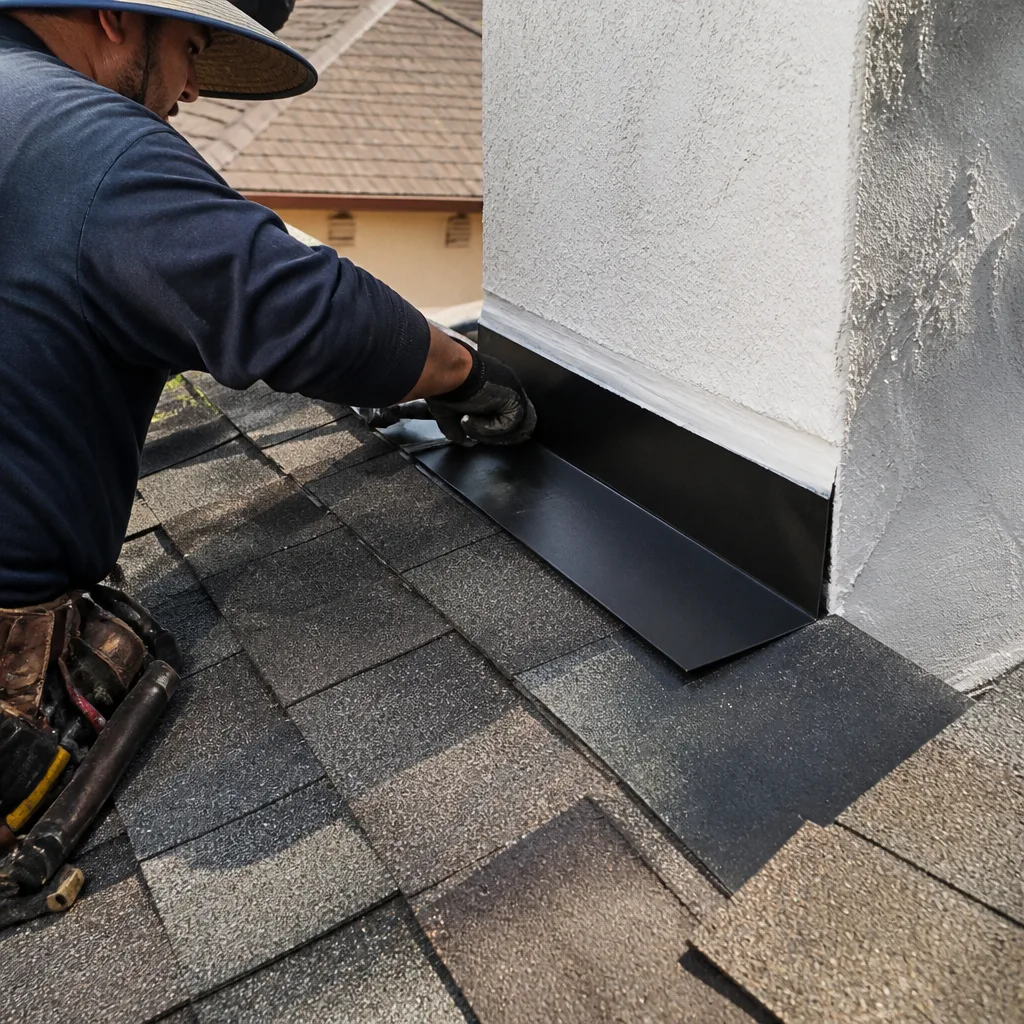
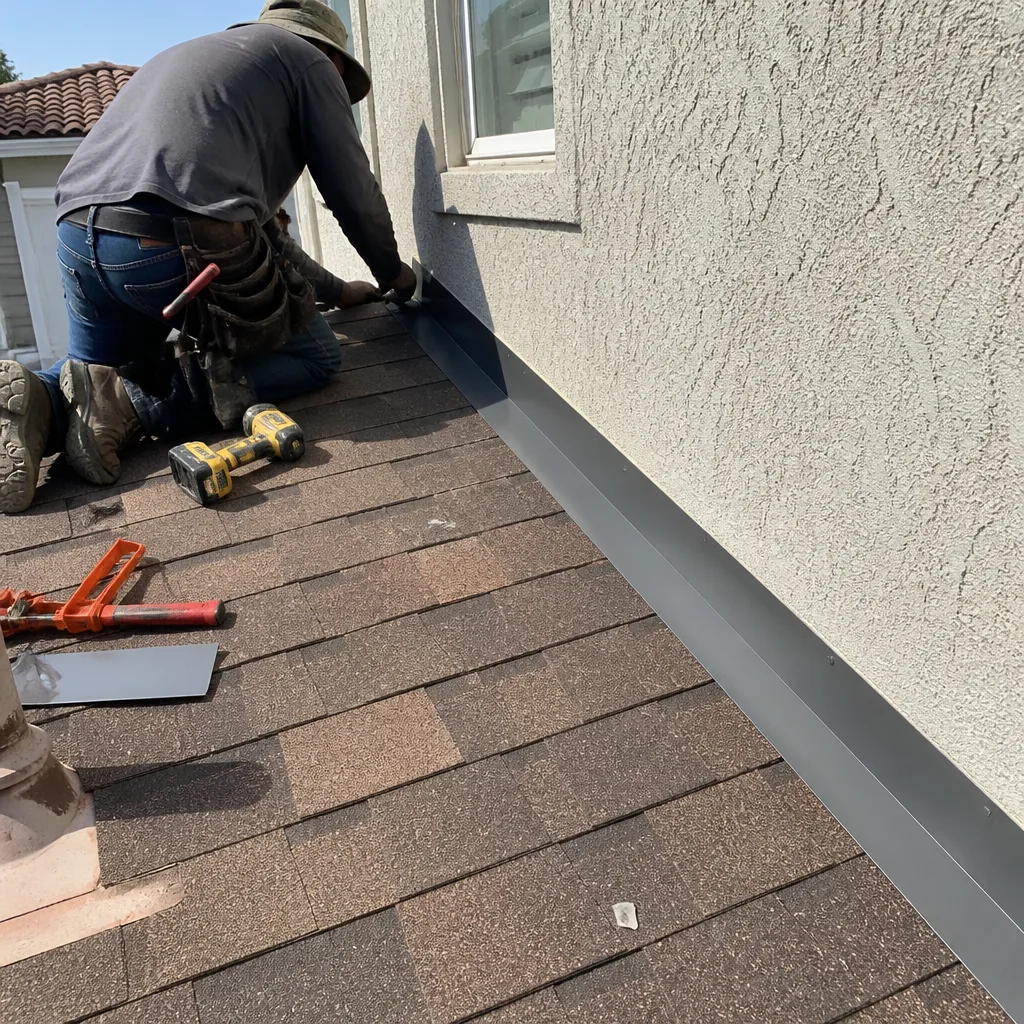
- Flashing material. This is where quotes diverge sharply. Standard practice is galvanized steel flashing at $0.60 to $1.00 per linear foot, material. Upgrading to aluminum pushes that to $2 to $4 per foot. Copper flashing, which some Fountain Valley homeowners request for aesthetic reasons on visible chimney cricket flashings, runs $12 to $18 per linear foot and can add $1,500 to $3,000 to the project. Ask which flashing metal is specified and where it is being used.
- Ventilation. Fountain Valley building code requires attic ventilation matched to attic square footage. Ridge vent, box vents, or powered fans are not optional, and they are not free. Budget $400 to $900 for a standard ridge vent system on a 2,000-square-foot home, including materials and labor.
- Decking replacement. Already covered under labor, but it belongs on the list of line items that should be explicit. If the quote says “decking as needed at $X per square foot,” that is honest. If it says “decking included,” ask how many sheets are covered in that number. The answer is usually zero.
- Starter strip and ridge cap. These are standard components but sometimes listed as separate line items at $300 to $600 to make the base price look lower than a competitor’s quote that already includes them. They must be installed either way. The question is whether they are in the number or added later.
- Structural reinforcement for tile conversions. If you are converting from shingle to concrete tile, the existing framing may need reinforcement to carry the additional dead load. This is a structural calculation, not a guess, and it can range from zero (rare, if the original framing was sized for tile) to $4,000 to $8,000 (common on older tract homes). A contractor who quotes tile without mentioning structural load is not doing the math.
The pattern across all of these: the cheapest quote is not cheaper once the missing line items are added back. Before signing anything, take both quotes, normalize them against this list, and then compare. If one contractor cannot or will not itemize these components, that is your answer.
Common Mistakes to Avoid
- Comparing total price without comparing line items. A $16,000 quote with 15-pound felt, galvanized flashing, and disposal included is not a better deal than an $18,000 quote with synthetic underlayment, aluminum flashing, and a 40-year shingle. Normalize the quotes before comparing.
- Assuming tile is always more expensive in the long run. Cost per year is the equalizer. On a 50-year timeline, tile can come out ahead of mid-tier asphalt. Run the calculation on your own numbers.
- Skipping the permit to save $400. The permit fee buys a city inspection that verifies underlayment before the final layer. That inspection is the only third-party verification you will ever get on a roof. It is the cheapest insurance in the project.
- Upgrading shingles but not underlayment. A 40-year shingle over 15-pound felt is a 15-year roof with expensive shingles on top. The underlayment fails first. Pair the lifespans.
- Not asking about decking condition before signing. On Fountain Valley homes built before 1990, the decking under the eaves is often softer than the rest of the roof. If the quote does not address decking at all, you will get a call mid-project with a change order. Ask for a decking assessment during the initial inspection.
- Choosing a contractor for brand name alone. A roofer who installs one manufacturer’s product is selling what they stock. A roofer who works across GAF, CertainTeed, Owens Corning, IKO, Atlas, Tamko, and Boral can recommend on the merits of your roof, not their supply agreement.
- Ignoring ventilation. An attic that does not breathe properly shortens shingle life by trapping heat against the deck from below. Fountain Valley’s summer heat makes this worse. If the quote does not mention ventilation, ask why.
When to Call a Professional
Most roofing work on a Fountain Valley home is not a do-it-yourself project. Walking on a pitched roof without proper fall protection is how homeowners end up in an emergency room, and a misinstalled flashing or underlayment seam is a leak waiting for the next winter rain—risks we cover in our Roofing Emergency Preparedness Guide for Fountain Valley Homes. Certain situations demand a professional assessment before any quote makes sense: water stains on interior ceilings that appear after rain in the Talbert Avenue or Euclid Street corridors, granule loss visible in gutters after a Santa Ana event, cracked or slipped tiles on the original 1970s tile stock common east of the 405, or any roof older than 20 years that has never had a professional inspection. From a single damaged section to a full tear-off and replacement, one call covers the entire job. Willowbrook Roof Repair offers free estimates in Fountain Valley. Call (866) 860-9404 to schedule yours.
Frequently Asked Questions
A full roof replacement in Fountain Valley in 2026 typically runs $12,000 to $38,000 depending on roofing material, roof size, pitch, and underlayment specification. Most mid-tier architectural shingle replacements on a 2,000-square-foot home land between $16,000 and $20,000. Call (866) 860-9404 for an exact quote on your home. Estimates are free.
Entry-tier architectural asphalt shingles are the cheapest upfront option at $550 to $650 per square fully installed, but they carry the highest cost per year when lifespan is factored in. On most Fountain Valley homes, premium architectural shingles at $600 to $800 per square installed deliver the lowest true cost per year of any material. Call (866) 860-9404 to talk through the trade-offs for your specific roof.
Yes. The City of Fountain Valley requires a building permit for roof replacement, and the fee is calculated on project valuation. A typical $15,000 to $25,000 re-roof carries a permit and inspection fee of $350 to $600. Any contractor suggesting you skip the permit is cutting a corner that removes your only third-party inspection of the work. Call (866) 860-9404 to talk through the full process.
Fifteen-pound felt costs $12 to $18 per square and lasts 3 to 5 years once exposed, while synthetic underlayment costs $35 to $55 per square and is rated for 6 to 12 months of UV exposure plus decades of service underneath the shingles. The upgrade adds roughly $400 to $700 to a 2,000-square-foot project and is worth it on any roof with a planned lifespan over 20 years. Call (866) 860-9404 for line-item pricing on both options.
Most single-story Fountain Valley homes with asphalt shingle roofs are completed in 3 to 5 working days including tear-off, deck inspection, underlayment, shingle install, and city inspection. Tile replacements run 5 to 8 working days due to the slower installation pace and heavier material handling. Weather delays are rare in Fountain Valley’s dry climate except during winter rain systems. Call (866) 860-9404 for a timeline specific to your roof.
It should not, if the contractor inspected the roof properly before quoting. The one legitimate variable is hidden decking damage discovered after tear-off, which cannot be seen from above. A reputable contractor will price decking replacement per square foot in the original contract and will only charge for sheets actually replaced. We start with an honest inspection, so you know exactly what needs to be done, and why, before any work begins.
The Bottom Line
Fountain Valley roofing quotes vary by 40 to 60 percent for the same scope because the cost drivers are buried in line items most homeowners never examine. Underlayment grade is the single largest controllable variable, followed by flashing material, decking condition, and disposal. A complete estimate has every component itemized, a permit line item, and a cost-per-year number you can run against every other quote. Roofing is the only thing we do at Willowbrook Roof Repair, and we do it across the full range of leading manufacturers. For more guides & resources, visit our blog. Built around your roof, not a brand deal.
Ready to see your own numbers? Call (866) 860-9404 for a free, line-itemed estimate on your Fountain Valley roof.
Written by the team at Willowbrook Roof Repair, serving Fountain Valley since 2012.
See the difference
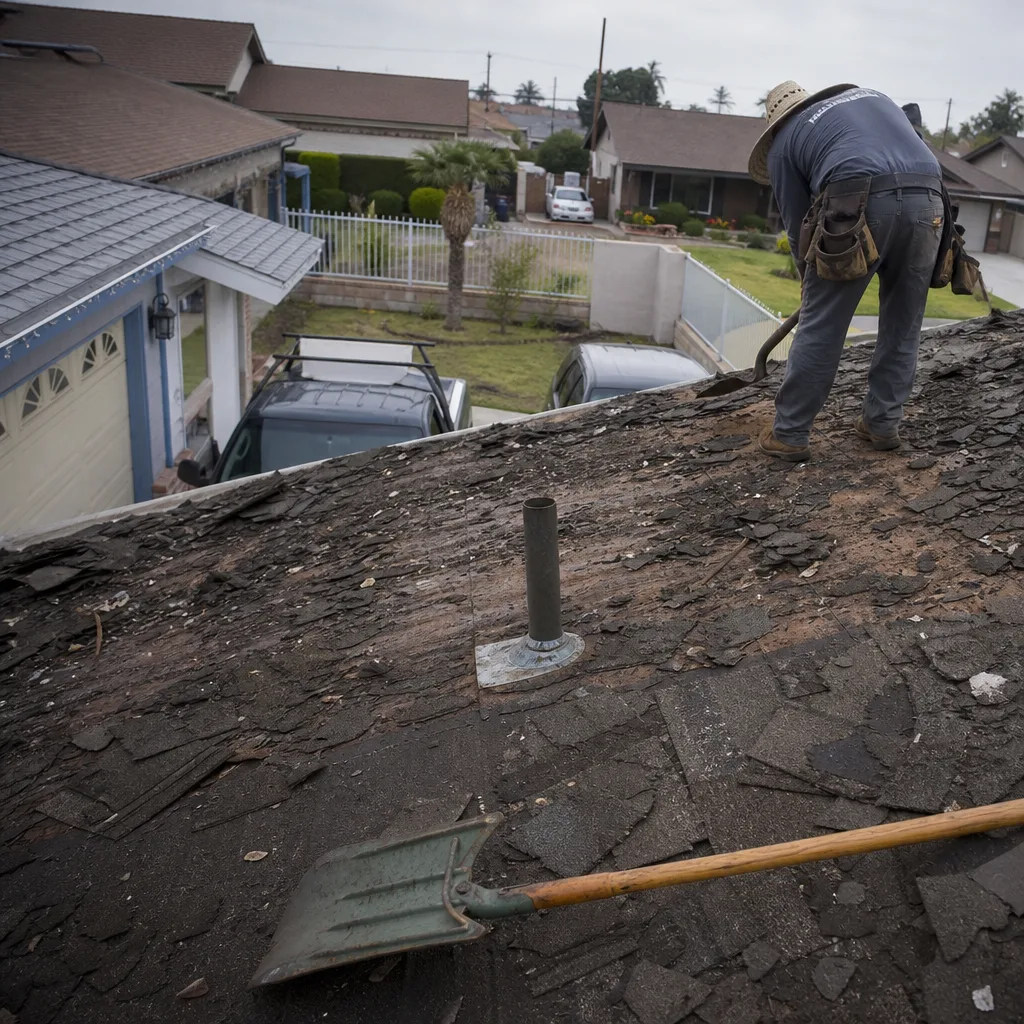 Before
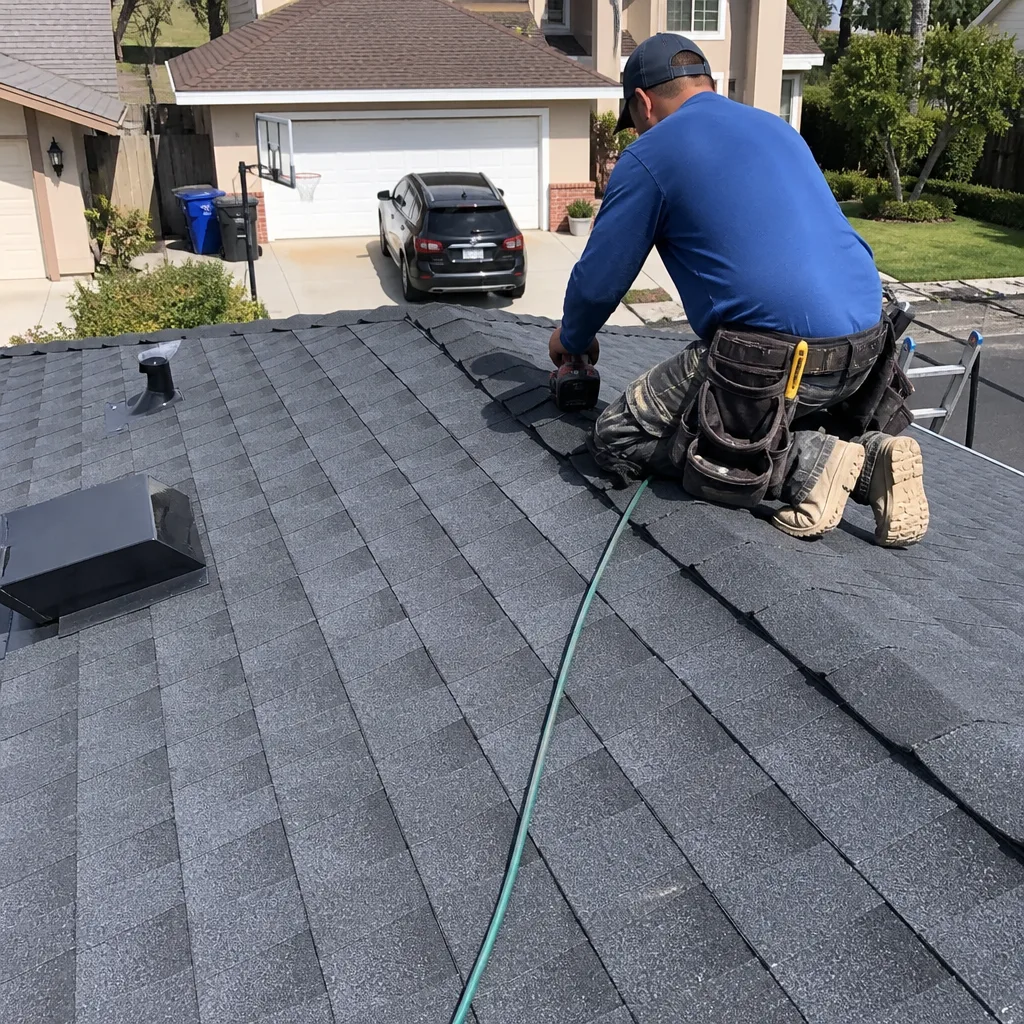 After
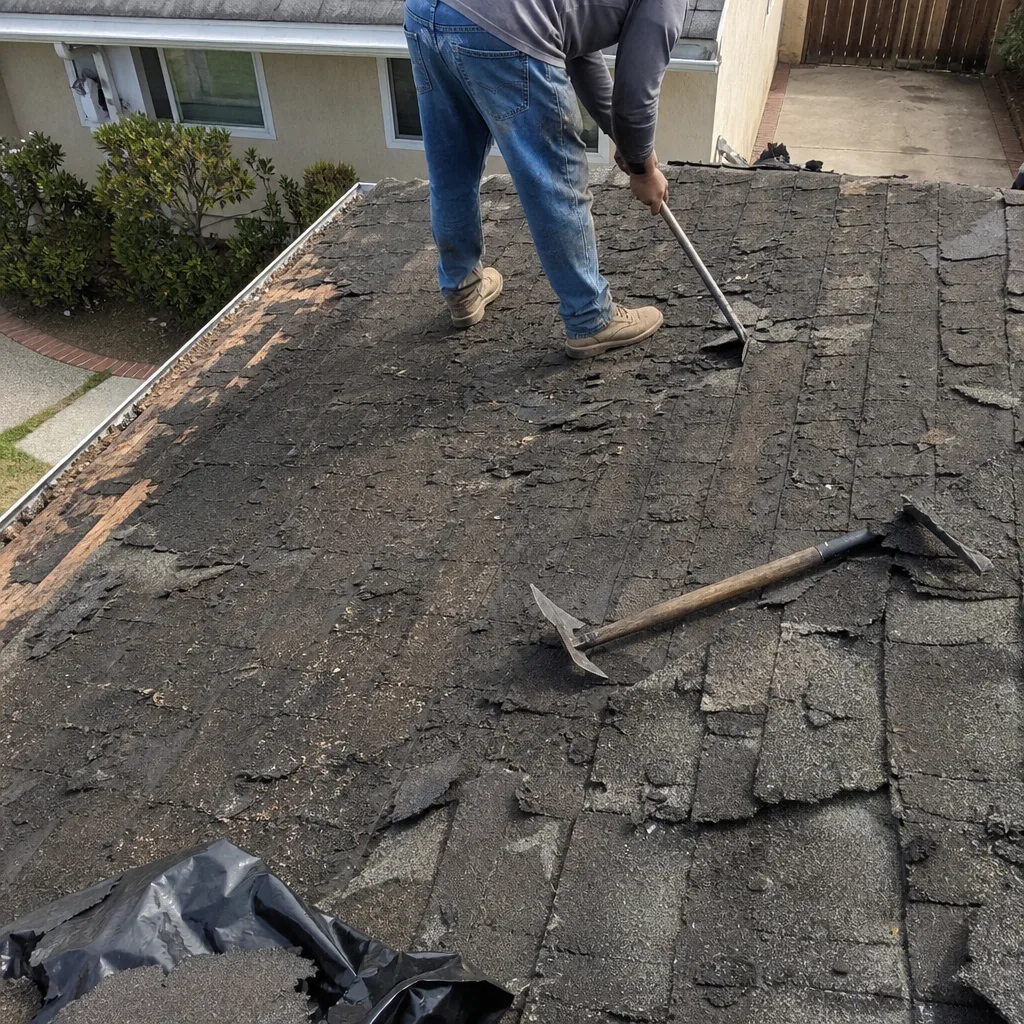 Before
 After
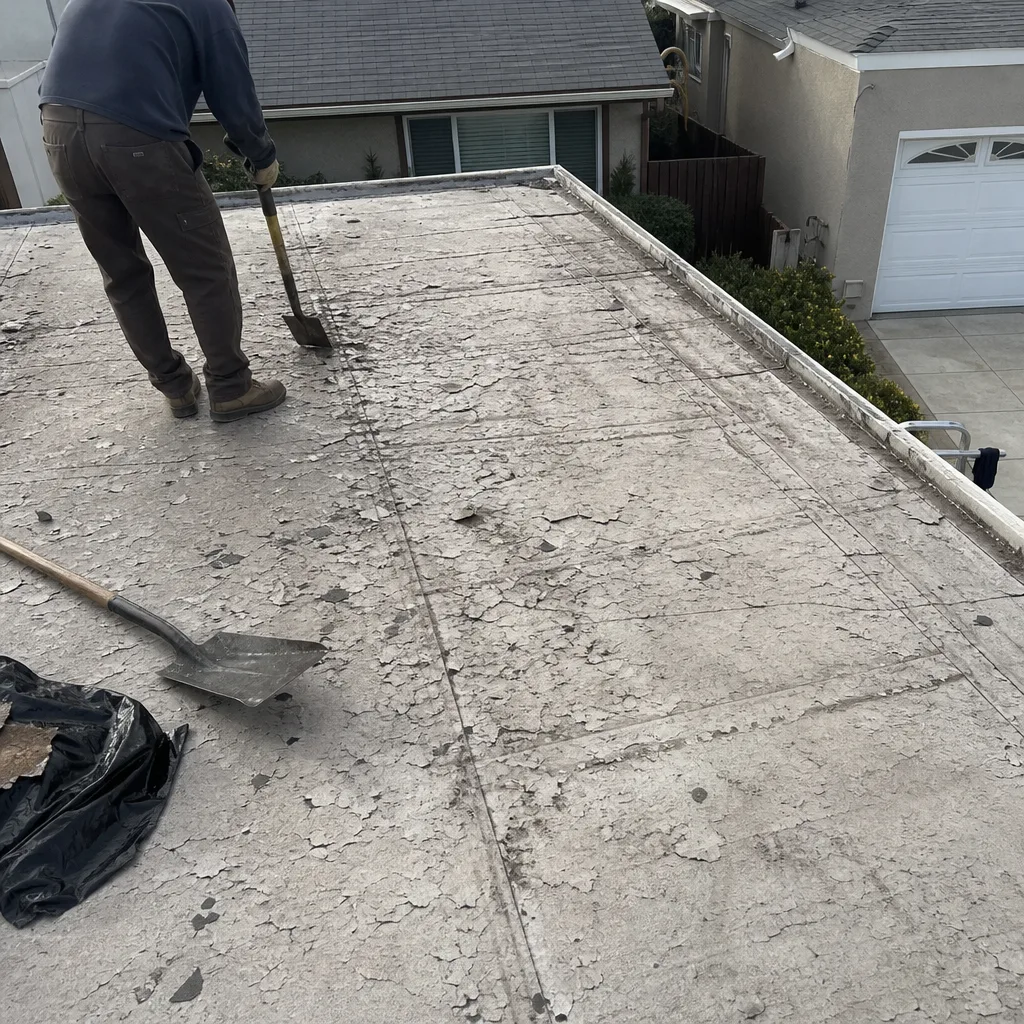 Before
 After