Last updated October 30, 2026
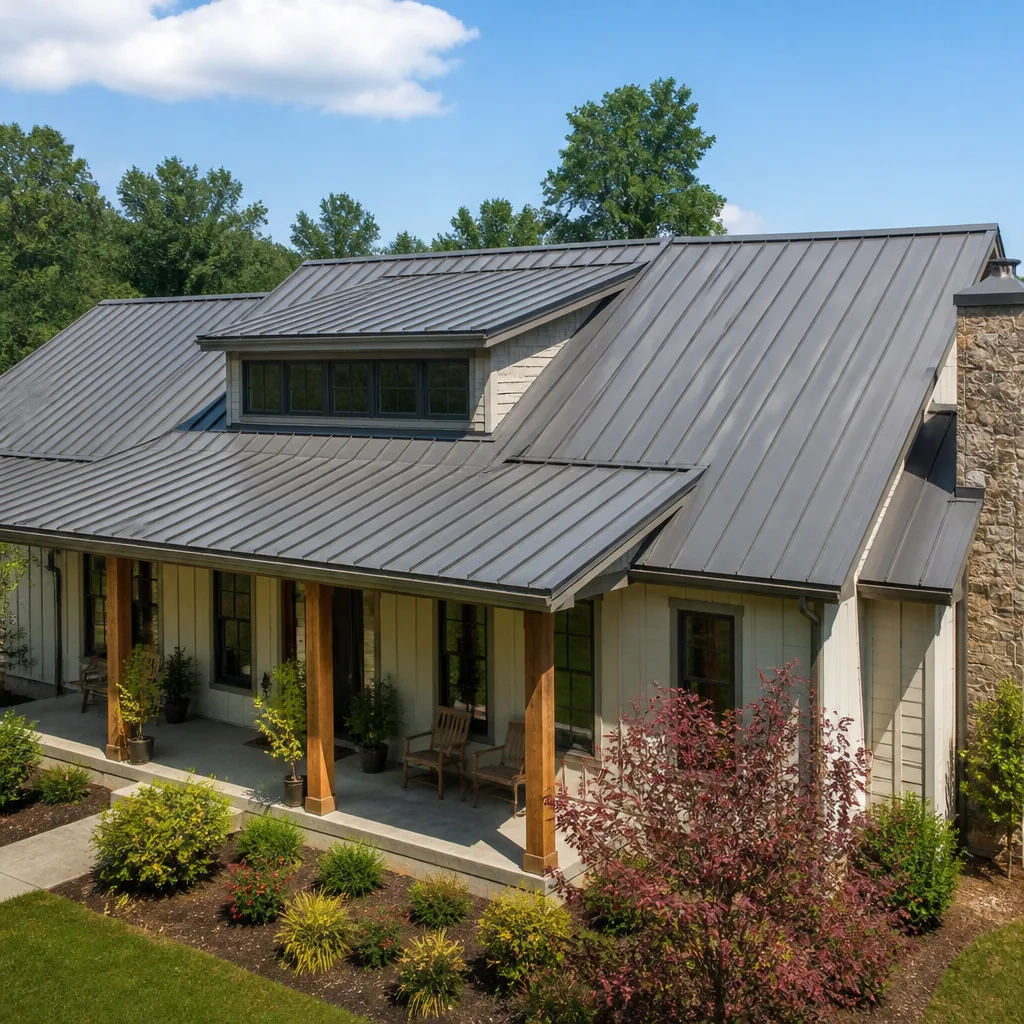 Metal roofing
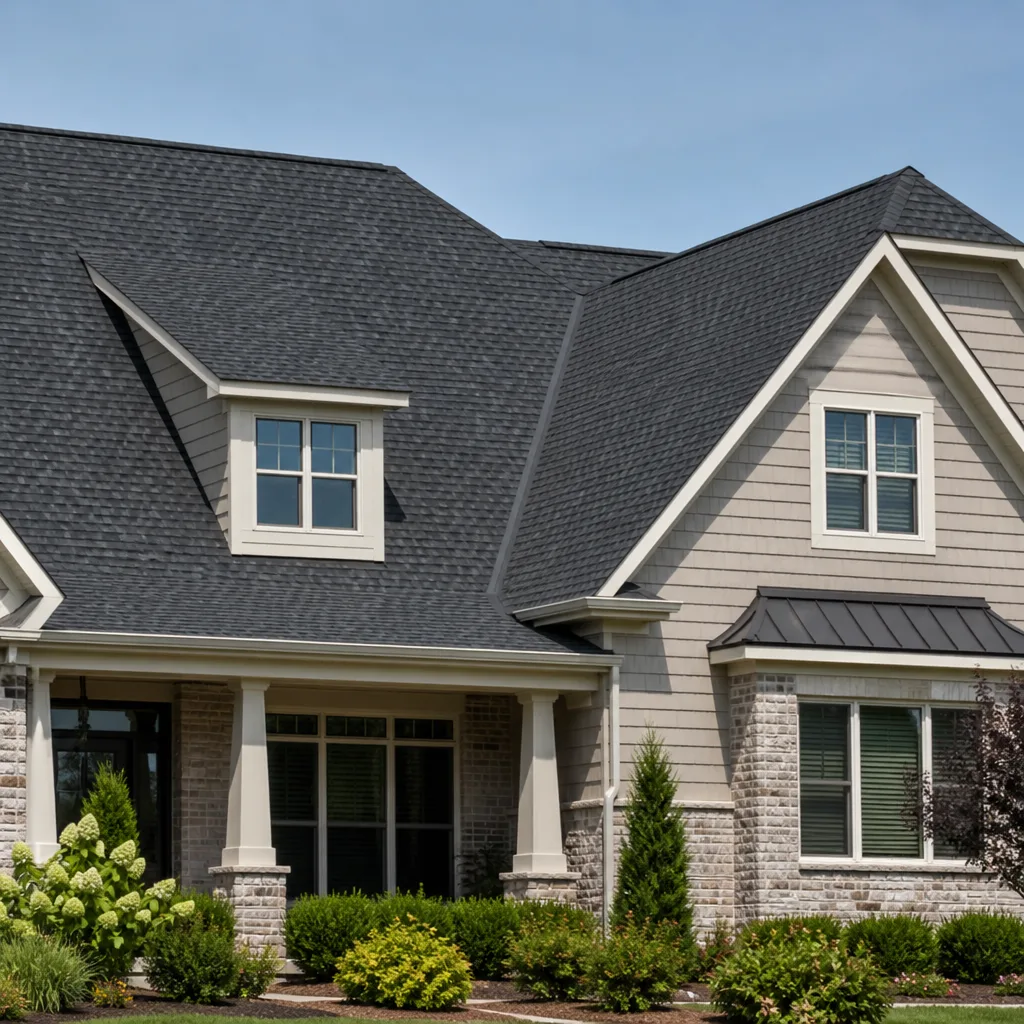 Architectural shingles
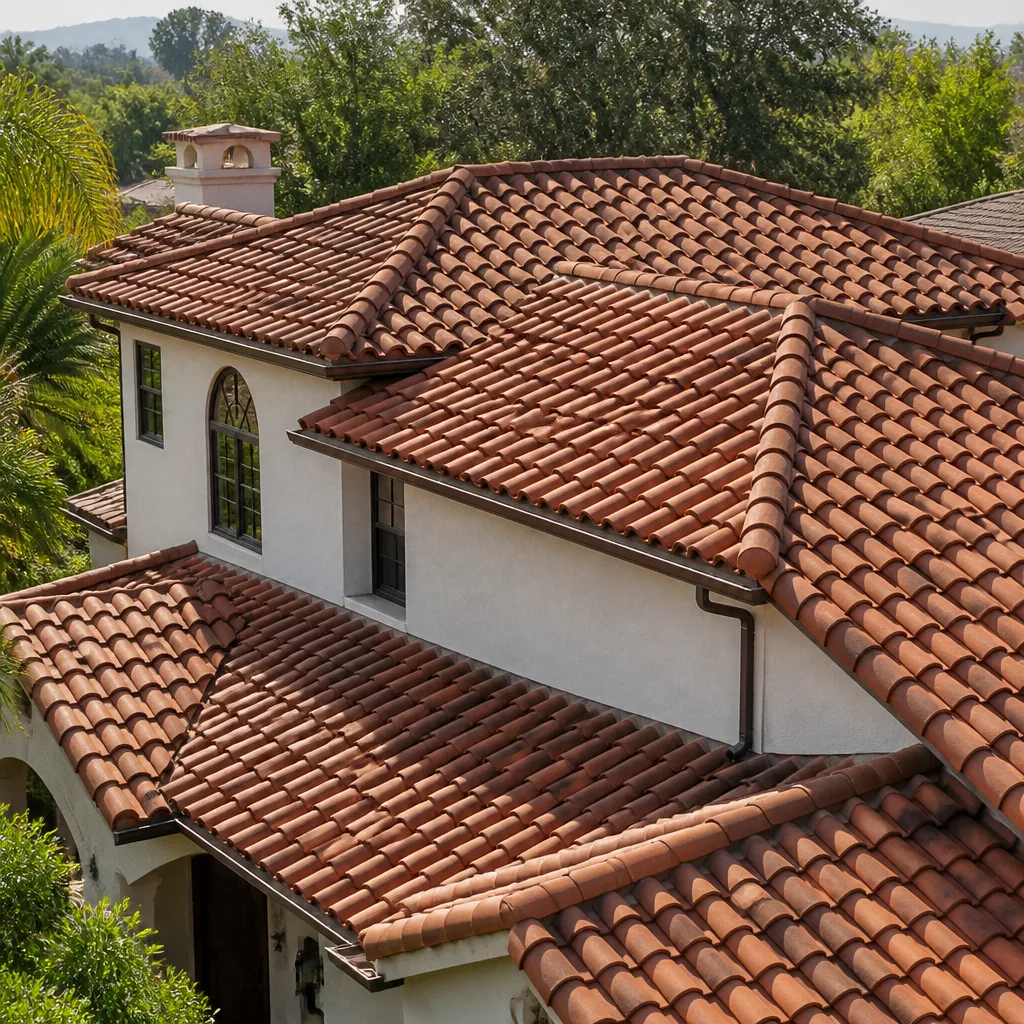 Tile roofing
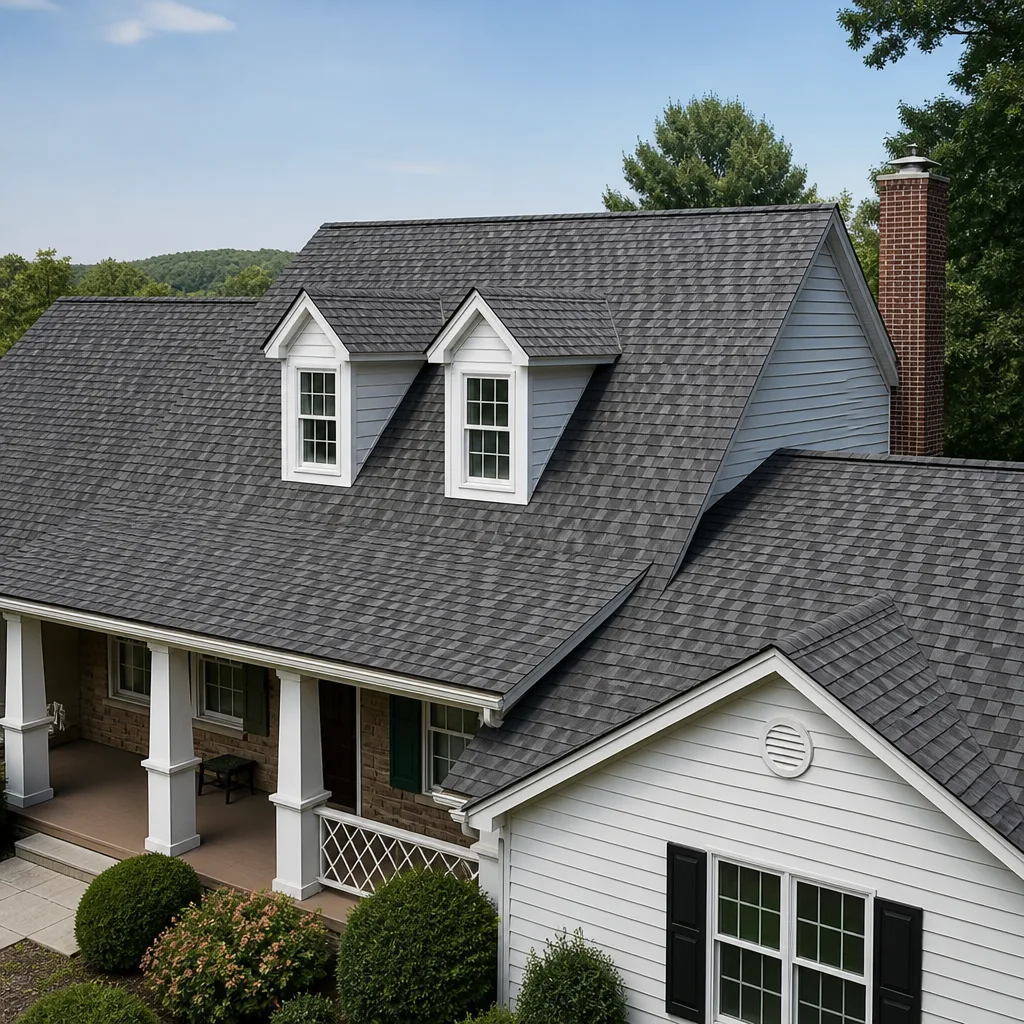 GAF
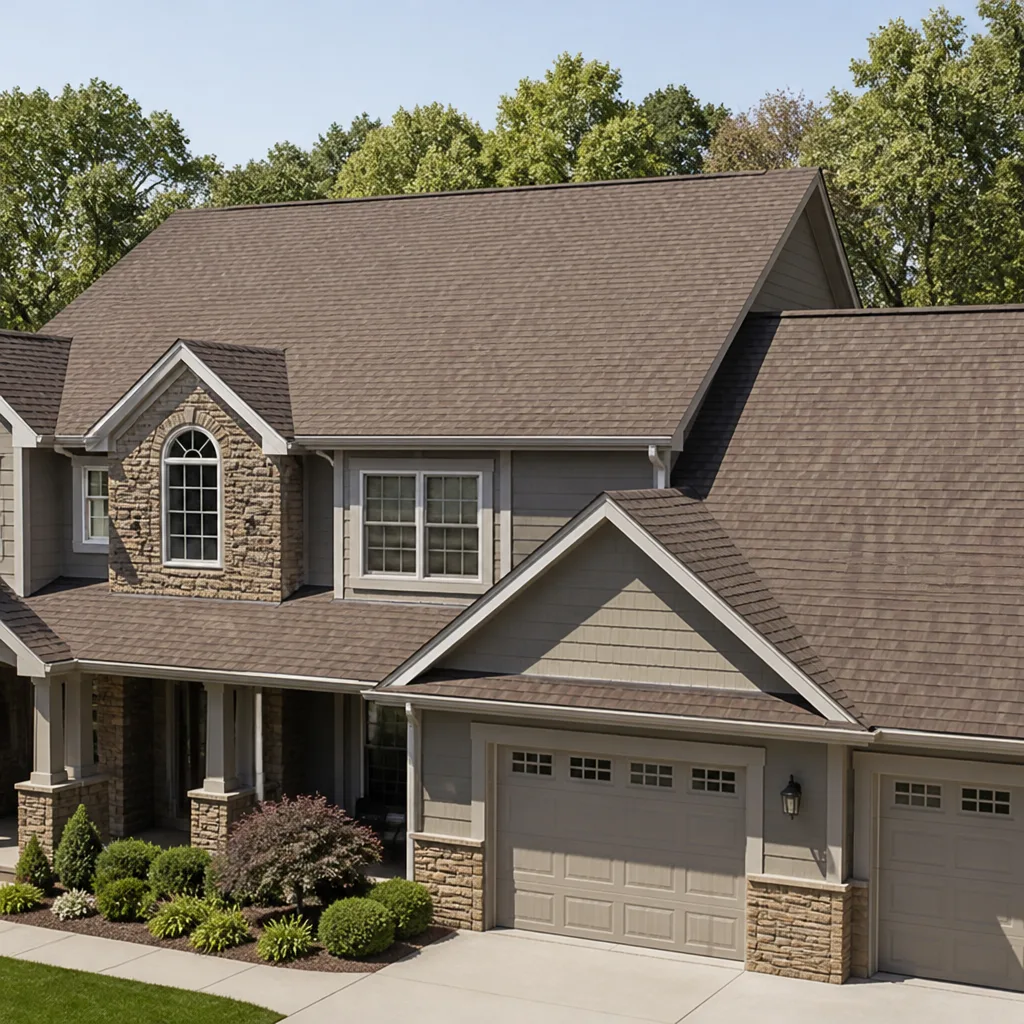 Owens Corning
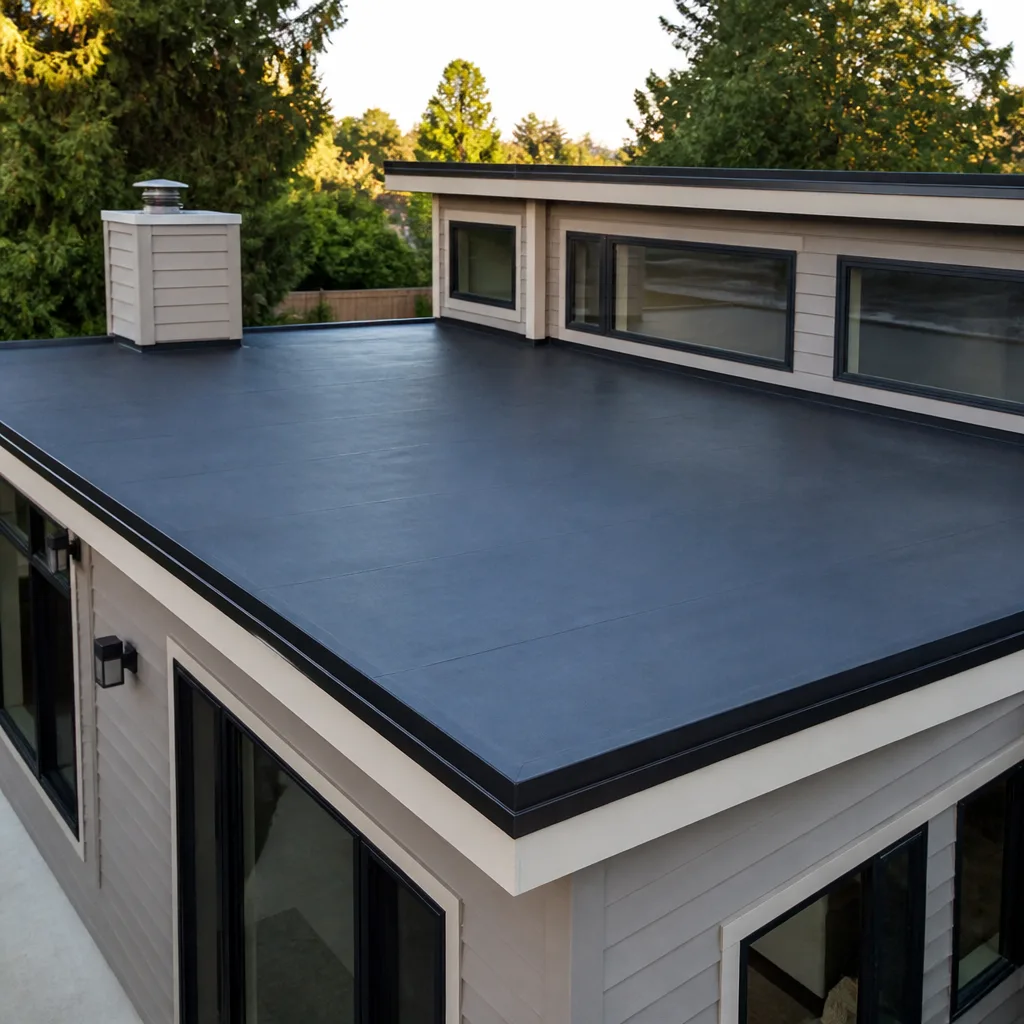 Flat & low-slope
Free roof inspection with deck photos before we talk money - GAF and Owens Corning certified installation
Roofing Permits, Codes & Inspections in CA: What You Need to Know
In California, replacing more than 50% of a roof’s surface area within a 12-month period triggers a full Title 24 cool-roof compliance requirement. That single threshold quietly shapes more roofing decisions in Fountain Valley than almost any other code provision, and some contractors deliberately phase jobs across calendar years to sidestep it. That workaround creates its own risks with building officials, insurers, and future buyers. This guide explains the layered code system that governs California re-roofs, what your local inspectors actually verify, and how to make scope decisions you won’t regret at resale—complementing our Roofing Warning Signs: A Fountain Valley Homeowner’s Reference Guide.
Quick Answer
Roofing permits in California are governed by three overlapping layers: the California Building Code (CBC) for structural requirements, Title 24 for energy compliance, and local municipal amendments enforced by your city. In Fountain Valley, most residential re-roofs require a permit, an inspection, and often cool-roof documentation when replacement exceeds 50% of the roof area in one year. A passing inspection confirms code compliance, not installation quality, which is why understanding what gets checked matters before you sign a contract; for year-round maintenance tips, see our Seasonal Roofing Care for Fountain Valley: Year-Round Homeowner’s Guide.
Styles & brands we work with
Table of Contents
- The Three Layers of California Roofing Code
- Title 24 Cool-Roof Requirements: What Triggers Compliance
- Fountain Valley Permits: What the City Enforces
- What a Roofing Inspection Actually Verifies
- HOA Architectural Approval: The Parallel Process
- Unpermitted Roofs: Insurance, Disclosures, and Remediation
- What Permits and Inspections Cost in Fountain Valley
- Common Mistakes to Avoid
- When to Call a Professional
- Frequently Asked Questions
The Three Layers of California Roofing Code
Every re-roof in Fountain Valley sits inside a three-layer regulatory stack. The top layer is the California Building Code, specifically Chapter 15, which sets structural and fire requirements for roof coverings. The second layer is Title 24, Part 6, the California Energy Code, which mandates minimum solar reflectance and thermal emittance values for certain replacement roofs. The third layer is the Fountain Valley Municipal Code, which incorporates both state codes and adds local amendments governing permit triggers, inspection sequencing, and specific material restrictions. A roofer who references only one of these layers is giving you an incomplete picture.
The two CBC sections that govern most residential re-roofs are CBC Chapter 15 and the California Residential Code, specifically CRC Section R905 and R908. Section R905 covers roof covering installation requirements by material type: asphalt shingle, tile, metal, and wood shake each have their own fastening, underlayment, and slope minimums. Section R908 addresses roof re-cover versus roof replacement. If an existing roof has one layer of shingles, California allows a re-cover to add a second layer. Two layers already in place means a full tear-off is mandatory. In practice, most Fountain Valley homes built before 1990 already carry two layers, so tear-offs are the norm, not the exception.
What gets missed in most online summaries is that these code provisions interact. A homeowner choosing a full tear-off because their roof has two layers of Atlas shingles will automatically enter Title 24 cool-roof territory if the replacement area exceeds the 50% threshold. The structural code decision and the energy code decision are not separate conversations. They are the same decision made at the permit counter.
- CRC Section R905: Material-specific installation rules for shingle, tile, metal, and shake roofs.
- CRC Section R908: Determines whether a re-cover is allowed or a full tear-off is required based on existing layers.
- CBC Chapter 15: Broader structural and fire classification requirements that apply when the roof system is altered.
- Title 24, Part 6: Energy efficiency rules that impose cool-roof standards on qualifying re-roofs.
- Fountain Valley Municipal Code: Local amendments including permit fees, inspection sequencing, and city-specific material restrictions.
At Willowbrook Roof Repair, we work across seven major roofing brands including GAF, CertainTeed, Owens Corning, IKO, Atlas, Tamko, and Boral. That matters in code conversations because not every product line meets Title 24 cool-roof standards across every color and profile. Brand-neutral guidance means the right material for your roof, budget, and the code layer you are responding to determines our recommendation, not what we happen to stock. Learn more about our approach on the Willowbrook Roof Repair home page.
Title 24 Cool-Roof Requirements: What Triggers Compliance
Title 24 cool-roof rules apply when a re-roof project replaces, recoats, or recovers more than 50% of the roof’s surface area in any 12-month period. Below that threshold, the project is treated as a repair and the cool-roof requirements generally do not apply. Above that threshold, the new roofing product must meet minimum aged solar reflectance and thermal emittance values that vary by roof slope. This is the single most consequential scope line in California roofing, and it is controlled not by your roofer but by the boundary of the work you authorize.
The technical requirements break down by slope. For low-slope roofs, defined as 2:12 or less, the material must meet a minimum aged solar reflectance of 0.63 and thermal emittance of 0.75, or a minimum SRI (Solar Reflectance Index) of 75. For steep-slope roofs above 2:12, the requirement drops to a minimum aged solar reflectance of 0.20 and thermal emittance of 0.75, or an SRI of 16. Most architectural asphalt shingles in lighter colors clear the steep-slope bar without issue. Darker colors can struggle, and that is where product selection intersects with code compliance.
What many Fountain Valley homeowners discover mid-project is that specific product lines vary within the same brand. A dark bronze standing seam metal panel from one manufacturer may fail the steep-slope reflectance threshold while a light gray panel from the same manufacturer passes. IKO, Atlas, and Tamko all publish aged reflectance data for their shingle lines, and the difference between a passing and failing color is often narrower than homeowners expect. If you are selecting a dark roof in Fountain Valley and crossing the 50% replacement line, ask for the CRRC (Cool Roof Rating Council) product ID before signing anything.
| Roof Slope | Min. Aged Solar Reflectance | Min. Thermal Emittance | Min. SRI |
|---|---|---|---|
| Low-slope (2:12 or less) | 0.63 | 0.75 | 75 |
| Steep-slope (above 2:12) | 0.20 | 0.75 | 16 |
The 50% threshold itself is worth understanding precisely. It is not 50% of the roof’s value or 50% of the damaged area. It is 50% of the total roof surface area, including detached structures like garages and patio covers that are part of the same building permit scope. A roofer who proposes splitting a full replacement into two phases across two calendar years to avoid cool-roof compliance is technically within the letter of the code, but they are also creating a two-permit history that future buyers may question. We tell Fountain Valley homeowners that the phased approach only makes sense when the roof genuinely has two distinct deterioration zones, which is rare in this coastal climate.
Fountain Valley Permits: What the City Enforces
The City of Fountain Valley adopts the California Building Code with local amendments and requires a building permit for any re-roof that replaces or recovers existing roofing material. The city also requires a separate reroof permit for detached structures. What surprises many homeowners is that Fountain Valley does not maintain its own independent roofing code. The city defers to the state for all material and installation standards and uses its local amendments primarily for administrative matters: permit fees, plan check requirements, and inspection scheduling.
The permit application for a residential re-roof in Fountain Valley requires a completed building permit application, a roof plan showing the areas to be replaced, product approval documentation including the CRRC product ID for Title 24 compliance, and payment of the current permit fee. The city’s plan check for a straightforward re-roof is typically an over-the-counter review, meaning no separate plan check fee applies for simple replacements. Complex jobs involving structural repair, sheathing replacement beyond 25% of the roof deck, or changes to the roofline may require a full plan check.
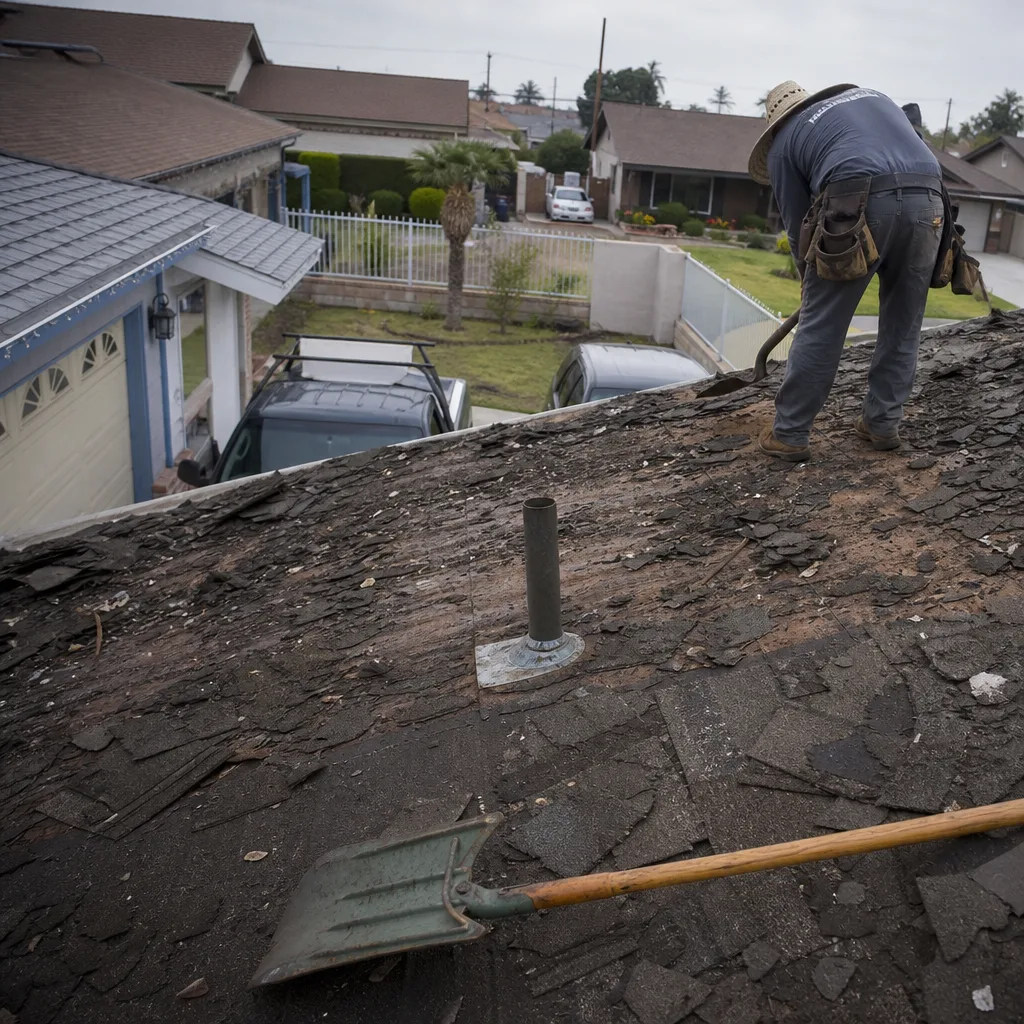
One Fountain Valley-specific nuance: the city enforces a re-roof inspection sequence that requires the underlayment inspection to be scheduled separately from the final inspection. On a tear-off, the inspector must see the exposed deck and installed underlayment before any roofing material goes down. Missing that intermediate inspection is a common cause of permit finalization delays. A roofer unfamiliar with Fountain Valley sequencing can set your project back by days while the city processes a re-inspection request.
We have worked with GAF, CertainTeed, Owens Corning, and IKO systems in Fountain Valley across a range of home styles, from the mid-century ranch houses north of Slater Avenue to the larger tract homes near Mile Square Park. The permit process is identical across neighborhoods. What changes is the roof geometry, the existing layer count, and the material selection, which is exactly why the honest inspection process we run at Willowbrook Roof Repair starts every engagement. You can see our local service area on the Roof Repair in Fountain Valley page.
What a Roofing Inspection Actually Verifies
A Fountain Valley roofing inspection verifies code compliance at three specific moments: the sheathing inspection after tear-off, the underlayment inspection before roofing material installation, and the final inspection after the roof is complete. The inspector checks nailing patterns, underlayment material and overlap, flashing at penetrations and roof-to-wall transitions, valley construction, and the final roof covering. What the inspector does not check is the quality of the contractor’s workmanship beyond the code minimums.
That last point deserves emphasis. A roof can pass final inspection in Fountain Valley while having installation defects that will shorten its service life by years. The code requires, for example, a minimum of four nails per shingle in most wind zones and six in high-wind areas. An inspector verifies nail count on a sample basis, not on every shingle. A roofer can miss nail placement on scattered shingles throughout the field and still pass inspection, because the sample areas happened to be correctly fastened. The insurance claim that follows a wind event two years later will not care that the roof passed inspection.
- Sheathing inspection: Verifies deck condition, fastener type and spacing, and that damaged sheathing was replaced to code minimum thickness.
- Underlayment inspection: Confirms underlayment material class, overlap, and fastening before the roof covering conceals it.
- Final inspection: Verifies the roof covering, flashing, and edge details against the approved permit scope.
- What is not checked: Shingle seal strip adhesion, long-term flashing durability, ventilation adequacy, and workmanship defects outside the code minimums.
This is why the contractor you choose matters more than the permit certificate you receive. A full roof replacement is a significant investment, and the difference between a roof that lasts 25 years and one that fails in 12 is often invisible at the inspection counter. When we run a Roof Inspection in Fountain Valley, we document the existing condition, layer count, ventilation, and flashing condition so you know exactly what needs to be done and why before any work begins.
For a full roof replacement, the conversation naturally extends to material selection, which is where our seven-brand coverage matters. Whether the right solution is an Owens Corning Duration shingle, a GAF Timberline system, or a Boral tile profile depends on your roof geometry, exposure, and the code layer you are responding to, as detailed in our Choosing the Right Roofing Brand: A Buyer’s Guide for Fountain Valley. The inspection informs the permit, the permit informs the material, and the material determines the final installed system. That is the full lifecycle, and it is what separates a code-compliant roof from a roof that will still be performing in 2045.
HOA Architectural Approval: The Parallel Process
Homeowners in Fountain Valley often discover that their HOA architectural review committee operates on a timeline that has nothing in common with the city’s permit counter. The city can issue a re-roof permit the day application is made. The HOA can take 30 to 60 days to review a color and material change request, depending on the association’s meeting schedule. Running these two processes sequentially doubles the total approval timeline and can push a roofing project out of the dry season.
The practical solution is to run both processes in parallel from day one. Submit the HOA architectural application at the same time the building permit application goes in. Most Fountain Valley HOAs with roofing restrictions care about two things: the roof color and the material profile. A roofer who can show the HOA board a CRRC product sheet with the aged reflectance data and a physical sample of the proposed shingle or tile shortens the review cycle significantly. HOAs that have seen product documentation before tend to approve faster because the board’s questions get answered in the submittal itself.
One mistake we see repeatedly is a homeowner selecting a roof color with the HOA before checking whether that color meets Title 24 under the 50% rule. The HOA approves a dark architectural shingle, the homeowner crosses the cool-roof threshold, and the product fails the reflectance requirement. The homeowner is then stuck negotiating with the HOA for a lighter color that was not their first choice, or pursuing a phased approach they did not want. The fix is to select the roof color with both sets of constraints visible at once, which is exactly the kind of brand-neutral guidance that comes naturally when you work across seven manufacturers including IKO, Atlas, and Tamko rather than a single product line.
Fountain Valley has a mix of HOAs, from the large associations around the recreation center to smaller tract associations with minimal architectural control. Some regulate nothing beyond structural changes. Others maintain approved color palettes and require board sign-off before a single shingle is ordered. The first step is to read your CC&Rs and the architectural guidelines, then submit the application before the roofing contract is signed, not after. The permit and the HOA approval should arrive within days of each other, not months apart.
Unpermitted Roofs: Insurance, Disclosures, and Remediation
An unpermitted re-roof in California creates three distinct problems. The first is insurance. Most homeowners insurance policies include a clause requiring that all work on the home comply with applicable building codes and permit requirements. If a roof fails and the insurer discovers the re-roof was completed without a permit, the claim can be denied outright. This is not a hypothetical risk. We have seen Fountain Valley homeowners learn this after a wind event lifted shingles from a roof that had been re-roofed without a permit two years earlier.
The second problem is resale disclosure. California law requires sellers to disclose all unpermitted work on the property through the Transfer Disclosure Statement and the Supplemental Statutory Disclosure. A buyer who discovers an unpermitted roof after close can pursue remedies against the seller. Even when the buyer accepts the roof as-is, lenders are increasingly flagging unpermitted work during appraisal, and some will refuse to fund a purchase until the permit is retroactively obtained.
The third problem is the permit history itself. Once a re-roof is completed without a permit, retroactive permitting requires opening the roof system enough for the city to inspect the layers beneath. That means removing sections of the roof covering to expose the underlayment and fastening pattern, which is exactly what the permit process was designed to avoid. The retroactive permit costs more than the original permit would have, because the roof has to be partially disassembled and then reinstalled.
- Confirm the unpermitted work. Pull the building permit history from the City of Fountain Valley. If no re-roof permit appears, document everything you know about the prior work: date, contractor if known, materials used.
- Obtain a retroactive permit. The city will require the roof to be partially opened for inspection before issuing the permit and scheduling the final inspection.
- Complete the inspection. The inspector verifies the current condition against current code requirements, not the code in effect when the original work was done.
- Keep the documentation. Once permitted and inspected, retain the permit and final inspection record. This is the document your insurer and any future buyer will ask to see.
The remediation path is not free, but it is straightforward. The alternative, leaving an unpermitted roof in place, compounds risk with every year that passes. Insurers get more aggressive with claim review. Lenders get more cautious with appraisal conditions. Buyers get more sophisticated about permit history. If you are considering a Roof Replacement in Fountain Valley and the existing roof was never permitted, the replacement itself is the cleanest remediation path, because the new permit supersedes the old history.
What Permits and Inspections Cost in Fountain Valley
Fountain Valley re-roof permit fees are based on the project valuation and the current city fee schedule, which is updated annually. For a typical residential re-roof in Fountain Valley, the permit fee generally falls in the $200 to $600 range depending on the scope and valuation. There is no separate plan check fee for an over-the-counter re-roof review. The inspection is included in the permit fee. Complex re-roofs involving structural repair or roofline changes may incur additional plan check and permit fees.
If the project requires HOA approval, the HOA may charge its own review fee. These vary by association, and some Fountain Valley HOAs charge nothing for architectural review while others charge a modest processing fee. The HOA fee is separate from the city permit fee and is paid directly to the association, not to the city.
- City permit fee: Typically $200 to $600 for a standard residential re-roof.
- Plan check fee: Waived for over-the-counter re-roof reviews; applies to complex structural work.
- Inspection fee: Included in the permit fee; no separate charge for standard re-roof inspections.
- HOA review fee: Varies by association; $0 to $200 depending on the HOA’s policies.
- Retroactive permit: Higher than a standard permit due to the partial re-open and inspection requirements.
When comparing roofing bids in Fountain Valley, the permit line item should be visible as a separate cost or clearly included in the total. A contractor who offers to skip the permit to save the fee is asking you to trade a few hundred dollars for an unpermitted roof that can cost you thousands at resale or claim time. That is not a trade any homeowner should make.
Common Mistakes to Avoid
- Skipping the permit to save money. The permit fee is a fraction of the roof cost, and skipping it creates a disclosure obligation, an insurance risk, and a resale problem. The savings are never worth the exposure.
- Selecting the roof color before checking Title 24. If you cross the 50% replacement threshold, dark colors can fail the cool-roof reflectance requirement. Check the CRRC product data before falling in love with a color.
- Running the HOA and city processes sequentially. Starting the HOA review only after the city permit is issued adds weeks to the timeline. Submit both applications on the same day.
- Assuming a passing inspection means a quality roof. The inspector verifies code minimums, not workmanship. Choose a contractor based on their process and materials, not just their permit record.
- Phasing a full replacement to avoid Title 24. Splitting a roof across two calendar years to stay under the 50% threshold creates a two-permit history that insurers and buyers question. The roof either needs replacement or it does not.
- Hiding an existing unpermitted roof. Once a roof is unpermitted, every year that passes compounds the insurance and disclosure risk. Remediate it or fold the remediation into the replacement.
- Not reading the CC&Rs before signing the contract. Some Fountain Valley HOAs restrict material types and colors. Know the rules before the roofing contract binds you to materials the HOA will reject.
When to Call a Professional
You should call a professional roofer before the permit conversation even begins. A roofer who understands the California Building Code, Title 24, and Fountain Valley’s local amendments can tell you which code layers apply to your specific roof before you make any scope decisions. If your roof has two layers of shingles and you are crossing the 50% replacement threshold, you need product-specific CRRC data to select materials that pass cool-roof requirements. If your roof was re-roofed without a permit, you need a remediation plan that opens the system enough for inspection and then closes it properly.
Willowbrook Roof Repair offers free estimates in Fountain Valley. We start with an honest inspection, and you will know exactly what needs to be done and why before any work begins. We work across seven major roofing brands including IKO, Atlas, Tamko, and Boral, which means our material guidance follows your roof, your budget, and the code layer you are responding to. Roofing is the only thing we do. Call (866) 860-9404 to schedule your free estimate.
Frequently Asked Questions
Yes, most residential re-roofs in California require a building permit, including in Fountain Valley. The permit triggers an inspection sequence that verifies the roof system meets current California Building Code requirements. Call (866) 860-9404 for a free estimate that includes permit coordination.
The 50% rule in Title 24 states that replacing, recoating, or recovering more than 50% of a roof’s surface area in any 12-month period triggers cool-roof compliance requirements. Below that threshold, the work is treated as a repair and cool-roof rules generally do not apply.
A cool roof is a roof covering that meets minimum solar reflectance and thermal emittance values specified in Title 24, Part 6. For steep-slope roofs, the material must have a minimum aged solar reflectance of 0.20 and thermal emittance of 0.75, or a minimum SRI of 16.
California allows a re-cover over one existing layer of shingles, but not over two. If your roof already has two layers, a full tear-off is required. Most Fountain Valley homes built before 1990 carry two layers, so tear-offs are the standard approach.
California law requires you to disclose all unpermitted work through the Transfer Disclosure Statement. Failure to disclose can expose you to buyer claims after close, and lenders may refuse to fund the purchase until the roof is retroactively permitted. Call (866) 860-9404 to discuss remediation options.
A standard residential re-roof permit in Fountain Valley is typically issued over the counter the same day the application is submitted with complete documentation. HOA architectural review can add 30 to 60 days, which is why both processes should run simultaneously.
The Bottom Line
California roofing permits are a layered system, and the layer that matters most depends on the scope you authorize. The California Building Code governs how the roof is built. Title 24 governs what the roof must achieve for energy compliance. Fountain Valley governs when the inspections happen and what the permit costs. Understanding those triggers lets you make informed scope decisions before you sign a contract, not after the inspector arrives. Choose a roofer who explains the code layers, documents the product compliance data, and runs the permit and HOA processes in parallel. The right contractor makes the paperwork invisible and the roof itself the only thing you have to think about.
Written by the team at Willowbrook Roof Repair, serving Fountain Valley since 2012.
See the difference
 Before
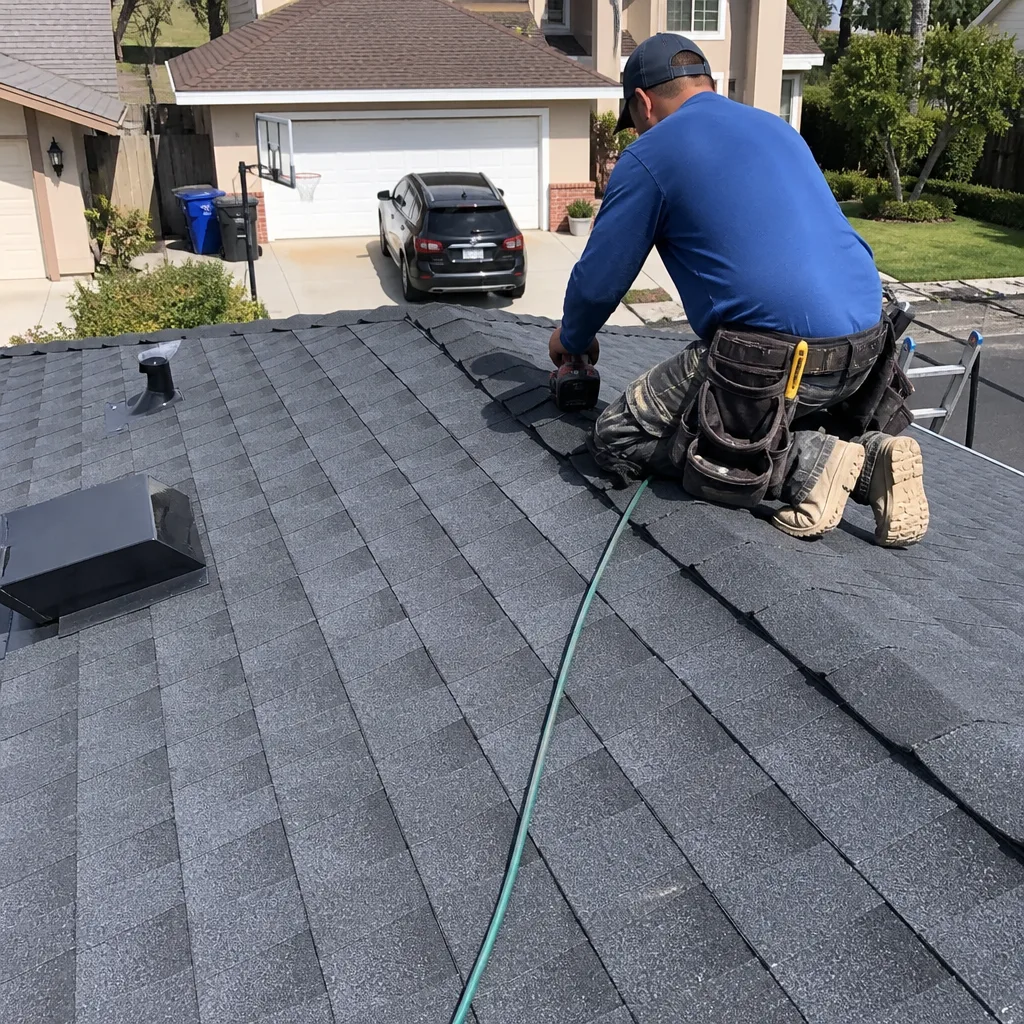 After
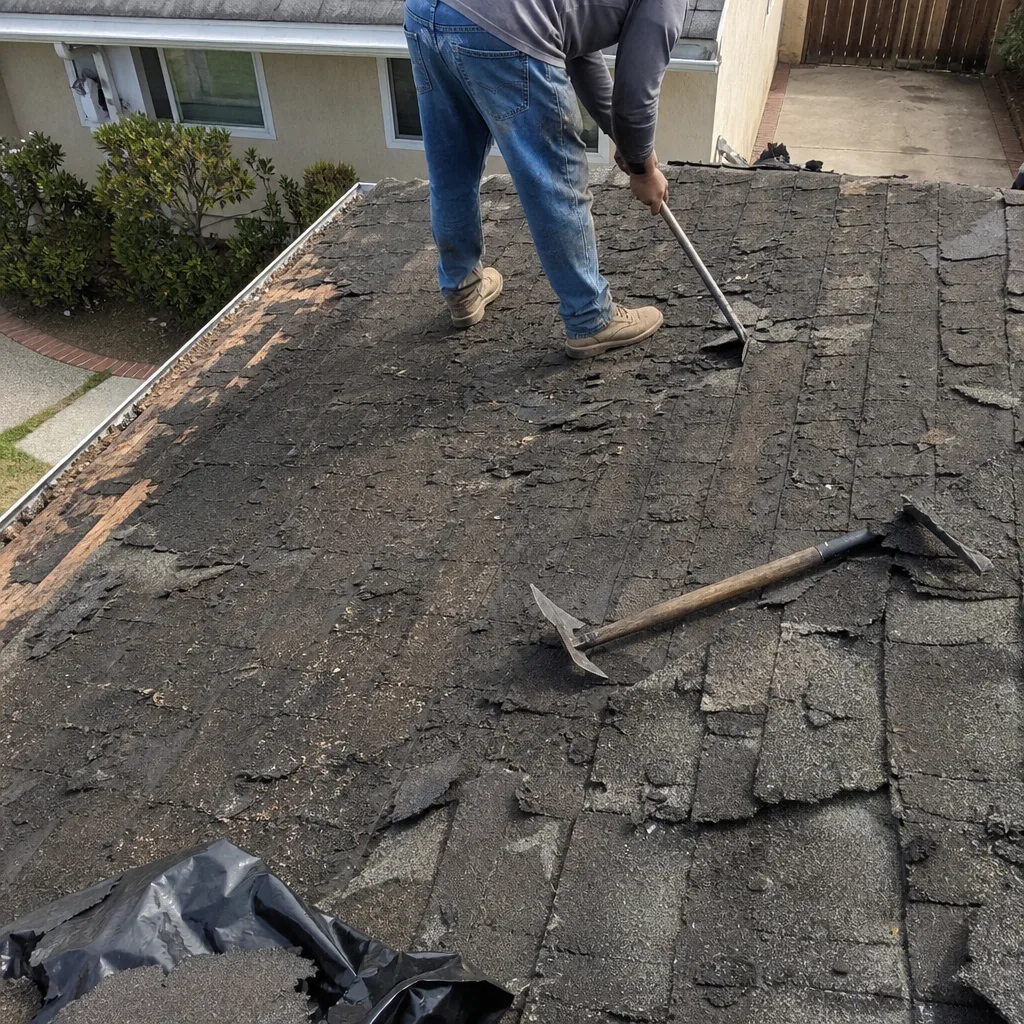 Before
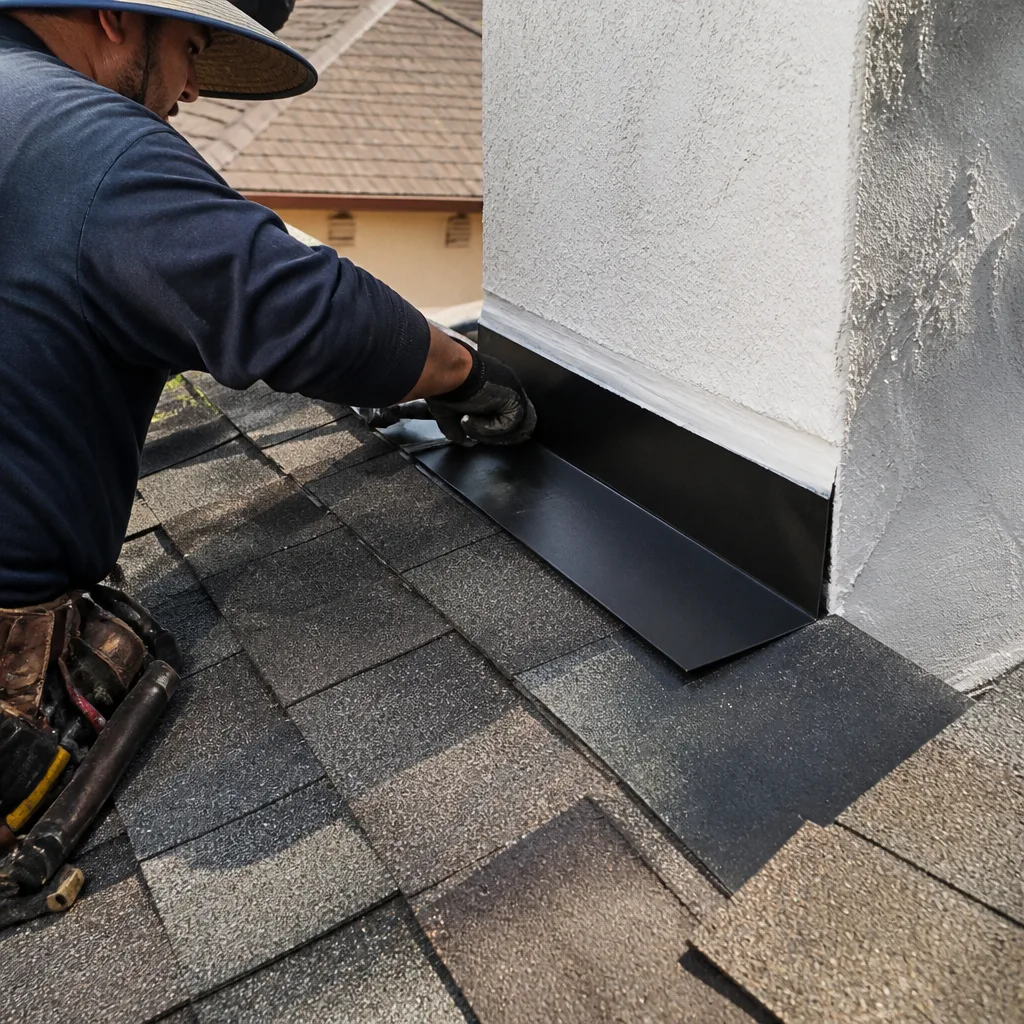 After
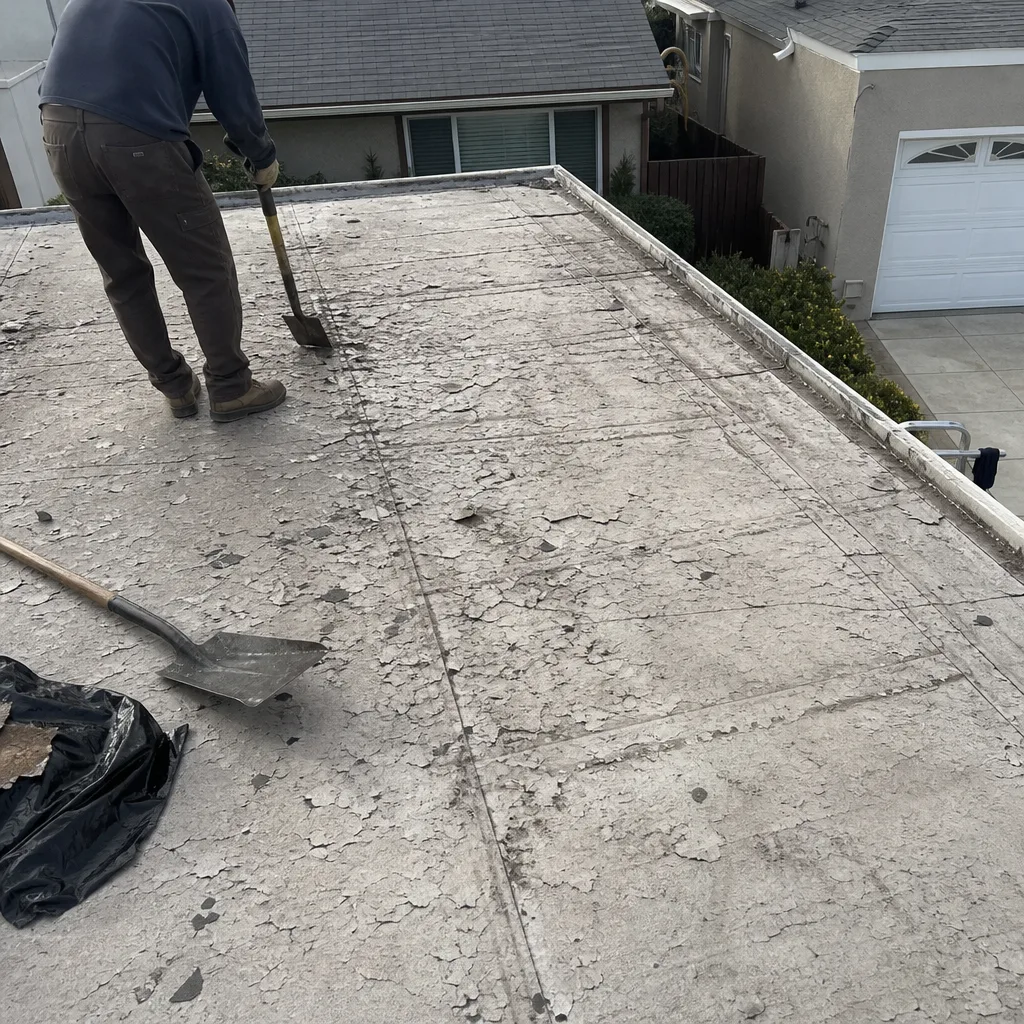 Before
 After