
Last updated October 30, 2026
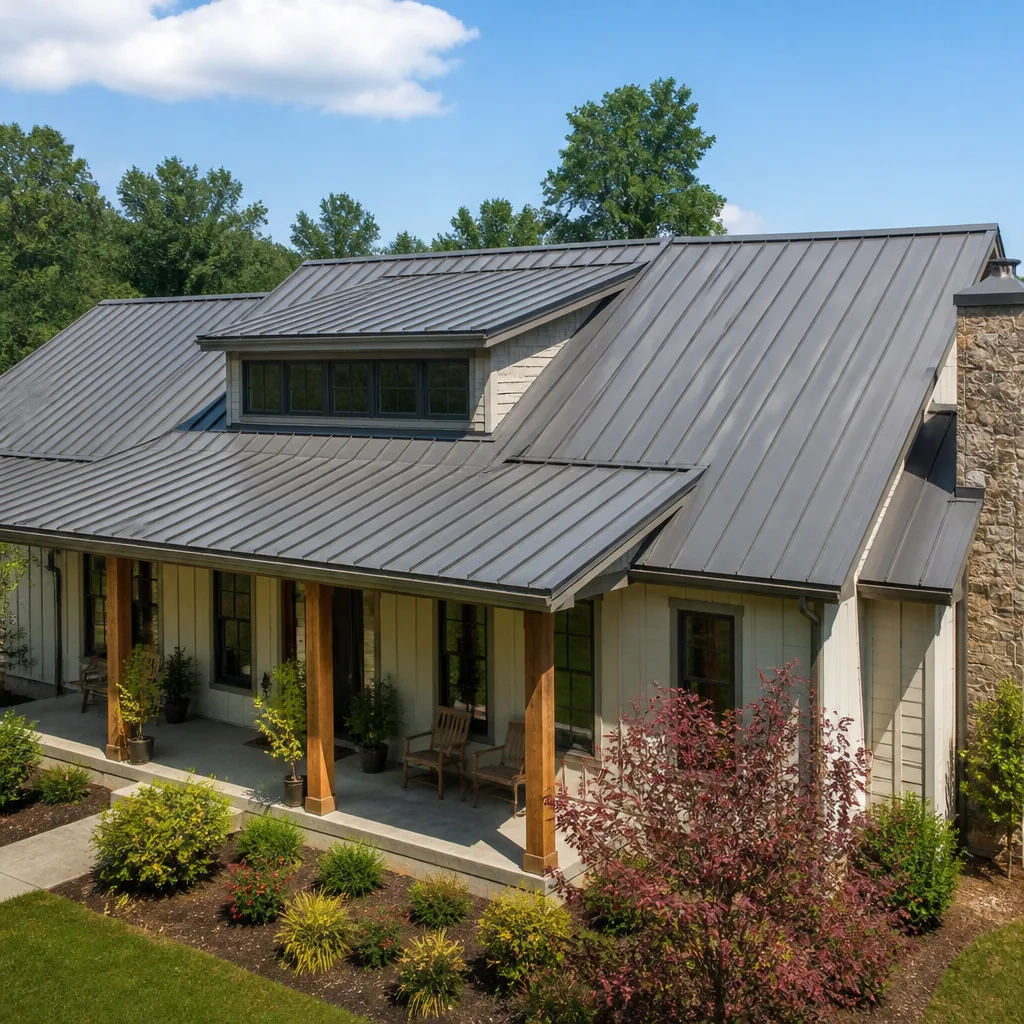 Metal roofing
 Architectural shingles
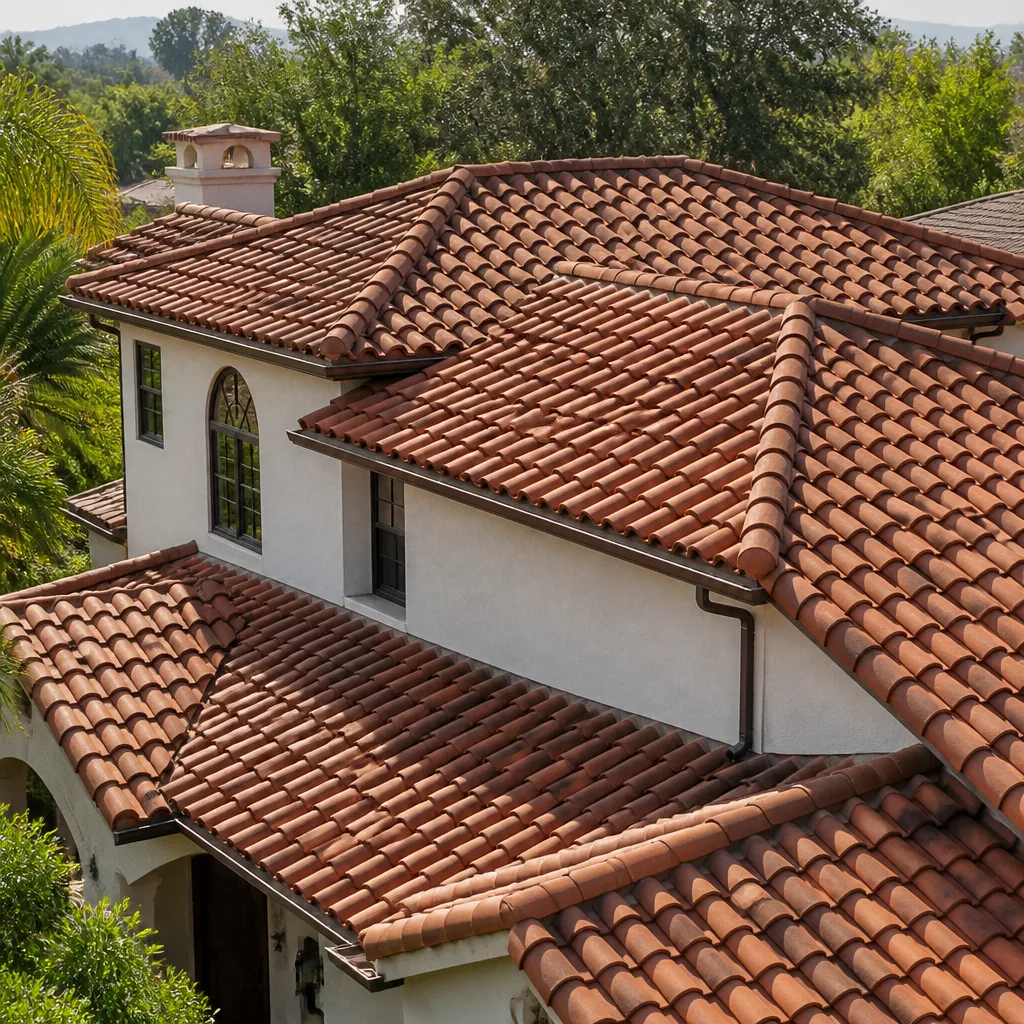 Tile roofing
 GAF
 Owens Corning
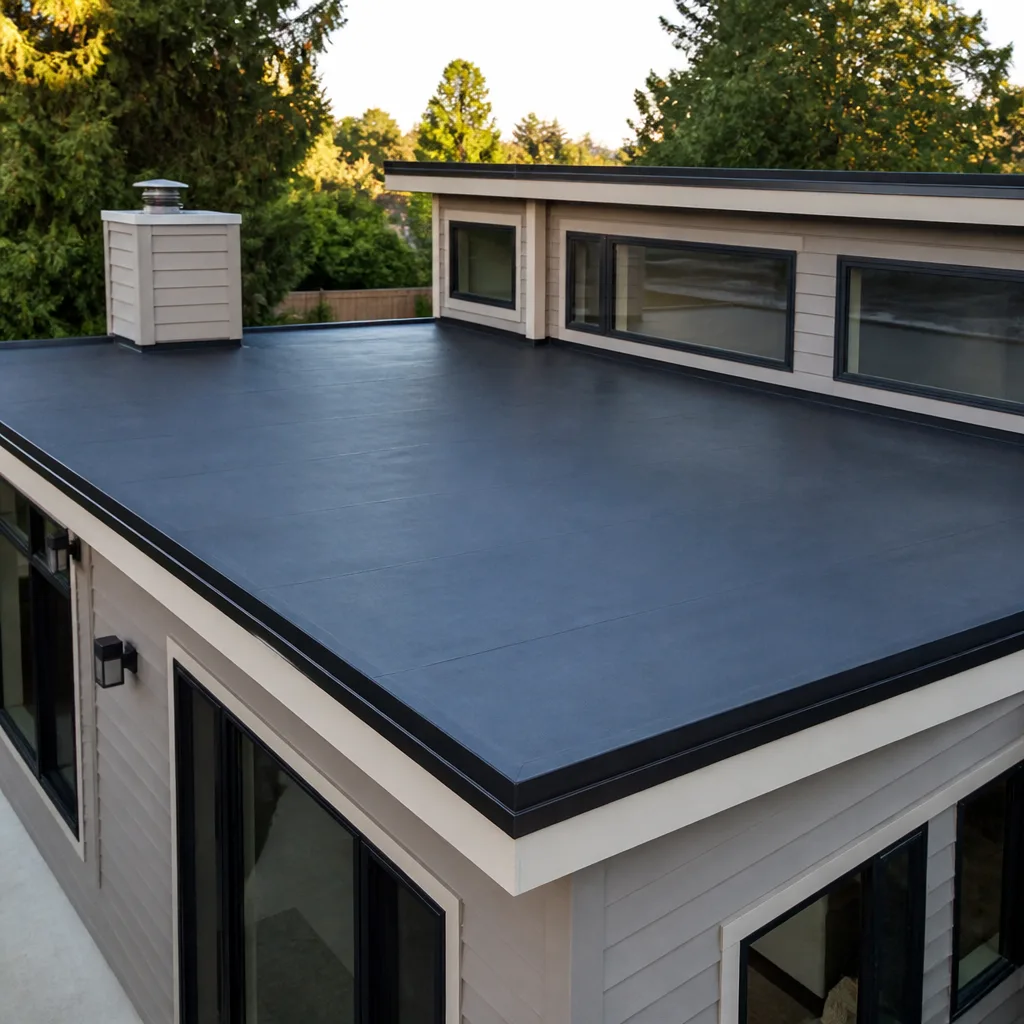 Flat & low-slope
Free roof inspection with deck photos before we talk money - GAF and Owens Corning certified installation
Seasonal Roofing Care for Fountain Valley: Year-Round Homeowner’s Guide
Fountain Valley gets roughly 280 sunny days a year, which sounds like low roofing risk. But UV at this latitude degrades asphalt shingles about 30% faster than manufacturer ratings established in northern-tier test conditions. That means “seasonal” care here is mainly about UV aftermath, marine-layer moisture, and Santa Ana wind cycles, not winter freeze-thaw damage. This guide—along with our complete guide to roofing in Fountain Valley—walks through the two primary stress cycles and two transition windows that actually govern roof health here, so you can time maintenance for maximum return.
Quick Answer
Seasonal roof care in Fountain Valley means organizing maintenance around two local stress cycles: the May-September marine-layer moisture season and the October-February Santa Ana wind/UV season. The highest-ROI maintenance windows are October-November (pre-rain sealant inspection) and February-April (post-rain damage assessment). A homeowner who handles those two windows plus basic flat-roof monitoring will catch most failures before they become interior leaks.
Styles & brands we work with
Table of Contents
- The Marine-Layer Season: What Moisture Does to Fountain Valley Roofs (May-September)
- The October-November Transition: Your Highest-ROI Maintenance Window
- Santa Ana Season: Wind, UV, and the Ridge Cap Problem (October-February)
- Post-Rain Assessment: Reading Interior Staining Patterns (February-April)
- Flat and Low-Slope Roofs: Year-Round Ponding Water in Fountain Valley’s Older Housing Stock
- Material Choice and UV Resistance: What Fountain Valley’s Climate Means for Shingle Selection
- A Yearly Inspection Rhythm That Matches Fountain Valley’s Actual Weather
- Common Mistakes to Avoid
- When to Call a Professional
- Frequently Asked Questions
- The Bottom Line
The Marine-Layer Season: What Moisture Does to Fountain Valley Roofs (May-September)
Fountain Valley sits about four miles inland, close enough to the coast that the May-through-September marine layer rolls in most mornings and burns off by afternoon. That daily moisture cycle creates a specific problem: north-facing roof slopes and shaded valleys between roof planes stay damp for hours longer than sun-exposed sections. We’ve seen this pattern repeatedly in neighborhoods across Fountain Valley, from Green Valley to the tracts south of Mile Square Park.
The issue isn’t rain. It’s condensation and dew that settles into granule layers and never fully dries. Over a full season, that persistent moisture supports biological growth. If you’re seeing dark streaks or green patches on north-facing slopes, that’s not just cosmetic staining. It means organic material is establishing itself in the shingle surface, which accelerates granule loss and can signal that the underlayment beneath is staying wet longer than it should.
What to monitor during marine-layer season:
- North-facing slopes and valleys: Look for persistent darkening, moss, or lichen. These areas get the least direct sun and the most marine-layer exposure.
- Shingle edges that stay visibly damp past 10 a.m.: If sections of the roof are still wet hours after the fog burns off, drainage or ventilation may be inadequate.
- Algae growth patterns: Streaking that follows water flow lines on the roof surface tells you where moisture concentrates. Those same paths are where underlayment saturation is most likely.
- Attic humidity during foggy mornings: If you go into the attic on a foggy day and the underside of the roof decking feels damp or humid, that’s a ventilation problem compounding the marine-layer moisture.
One thing Fountain Valley homeowners often miss: the marine layer means your roof is exposed to moisture even when the forecast says zero percent chance of rain. Roof inspection routines built around rainfall alone will systematically undercount moisture exposure in this climate. That’s why we anchor our Roof Inspection in Fountain Valley recommendations to the marine-layer cycle, not the rain calendar.
The good news is that marine-layer moisture rarely causes sudden failures. It works slowly, weakening materials over multiple seasons. That’s also the bad news, because homeowners don’t notice until a leak appears and the underlying damage is already done. If this is what you’re seeing, the problem predates the current season by a year or more. Our Roof Repair in Fountain Valley work in coastal-adjacent tracts frequently involves correcting moisture damage that started with two or three seasons of undiagnosed marine-layer saturation.
The October-November Transition: Your Highest-ROI Maintenance Window
If you do one thing for your roof this year, do it in October or early November. This is the transition window between the dry season and whatever rain Southern California gets, and it’s the single highest-return maintenance period for Fountain Valley homes. Here’s why: every sealant joint, flashing seam, and penetration point on your roof has been baking under UV for six months. Thermal expansion and contraction have been working those joints all summer. Any weak point is now at maximum vulnerability right before the first real rain test.
The specific failure points to inspect during this window:
- Pipe boot flashings: The rubber collar around plumbing vents degrades fastest in high-UV climates. In Fountain Valley, a pipe boot that’s more than 5-7 years old is worth inspecting even if it looks okay from the ground. Micro-cracks around the collar edge are the starting point for the most common leak we repair.
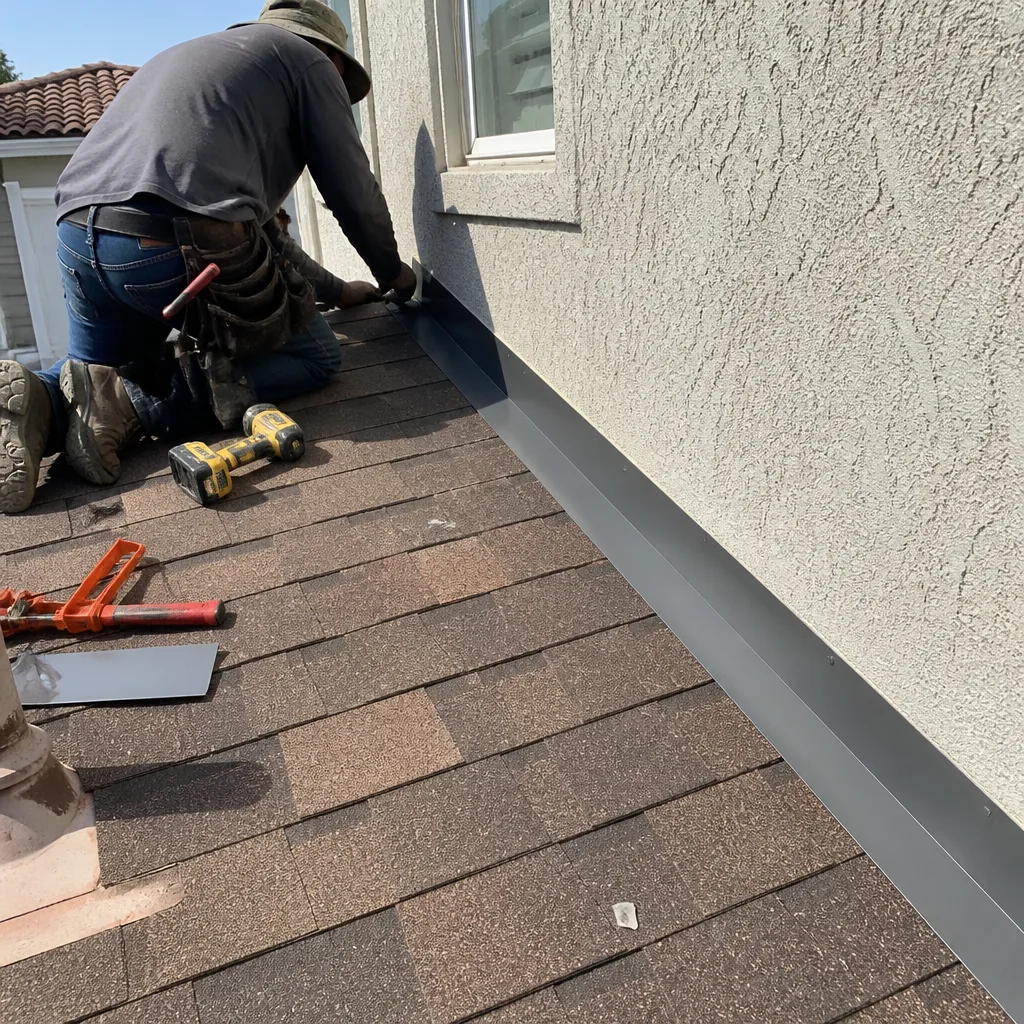
- Headwall and sidewall flashing: Where the roof plane meets a vertical wall, counterflashing and step flashing take significant expansion stress. Sealant at the top edge of counterflashing fails predictably in this climate. Look for gaps, curling, or sealant that’s pulling away from the wall.
- Chimney flashing and cricket areas: If your Fountain Valley home has a chimney, the intersection between chimney, roof plane, and cricket is a three-way junction where leaks commonly originate. Check for cracked sealant at all three interface lines.
- Valley metal: Open valleys collect debris and trap moisture. During the October inspection window, clear any accumulated leaves or pine needles, because organic debris holds moisture against metal and accelerates corrosion at fastener points.
- Skylight perimeter seals: Skylight curbs and frames flex more than surrounding roof materials. The sealant joint at the curb-to-roof transition is a classic Fountain Valley leak source, especially on homes built with original skylights from the 1970s and 1980s.
The reason this window matters more than any other: the cost of finding a compromised sealant joint in October is a tube of sealant and fifteen minutes of work. The cost of finding it in January, after water has been traveling through the roof assembly for six weeks, is drywall repair, insulation replacement, and possibly decking remediation. If you’re looking for a single action to take from this guide, schedule your pre-rain inspection in the October-November window, or consult our complete roof repair guide for Fountain Valley homeowners for deeper troubleshooting steps.
Willowbrook Roof Repair works across seven major roofing brands, including GAF, CertainTeed, Owens Corning, IKO, Atlas, Tamko, and Boral—see our buyer’s guide for choosing the right roofing brand in Fountain Valley for how these compare. That matters in the October window because different manufacturers specify different sealant and flashing details. A repair that’s compatible with your installed system is the only repair that lasts. We start with an honest inspection. You will know exactly what needs to be done, and why, before any work begins.
Santa Ana Season: Wind, UV, and the Ridge Cap Problem (October-February)
Santa Ana winds are the most overlooked roofing stressor in Fountain Valley. Most homeowners think of them as a fire-weather phenomenon, but for a roof, they’re a sustained mechanical load test that comes from the opposite direction of normal weather patterns. Santa Anas blow from the northeast, off the mountains, dry and gusty. That means the roof edges and ridge lines that are shielded from normal onshore flow take the brunt of the wind load. And because the air is bone-dry, any material that’s already UV-degraded becomes more brittle and more likely to fracture under uplift force.
The specific inspection points that matter during and after Santa Ana events:
- Ridge caps: Ridge cap shingles take the highest sustained wind exposure on the entire roof. They’re also installed on a radius, which means their adhesive strips don’t seat as completely as field shingles. After any Santa Ana event with gusts over 40 mph, check ridge caps for lifting, cracking, or missing pieces.
- Hip tiles and hip shingles: On the hip-roof configurations common in Fountain Valley’s track housing, hip lines channel wind along their length. The shingles or tiles at hip junctions are where uplift forces concentrate. Look for shifted or slightly raised pieces that indicate the adhesive bond has broken.
- Rake-edge flashings: The rake is the sloped edge of the roof that isn’t horizontal. During Santa Anas, rake edges on the northeast-facing side of the house experience the highest negative pressure. Drip-edge metal that’s even slightly loose will vibrate under sustained wind, and vibration is what works fasteners out over time.
- Loose granules in gutters or at downspout outlets: After a Santa Ana event, check your gutter downspout outlets for accumulated granules. Some granule loss is normal for aging shingles, but a sudden increase after wind events means shingles were flexing more than they should, and the surface is breaking down under mechanical stress.
UV is the other half of the Santa Ana season. Southern California’s low-humidity air allows more UV radiation to reach the roof surface, and the cumulative effect on asphalt shingles is measurable. Shingle granules exist to protect the asphalt layer underneath from UV degradation. Once granules erode, the asphalt oxidizes rapidly, becomes brittle, and loses its ability to flex. A roof that looks okay from the street may have significant granule loss on the sun-exposed south and west slopes, particularly in the El Camino Real corridor where homes were built in the 1960s and 1970s and many original roofs have been partially replaced rather than fully torn off.
If you’re in a position where wind damage has occurred and you’re weighing repair versus replacement, this is where the full-lifecycle approach matters. From a single damaged section to a full tear-off and replacement, one call covers the entire job. We don’t have a financial incentive to push you toward replacement when repair is the honest answer, because we do both. Our Roof Replacement in Fountain Valley recommendations come from a material-agnostic assessment of what your roof actually needs, informed by seven manufacturer lines, not a preferred-vendor arrangement.
Post-Rain Assessment: Reading Interior Staining Patterns (February-April)
Once the rainy season winds down in late winter and early spring, you have a natural diagnostic window. Interior water staining tells a more precise story than most homeowners realize, and knowing how to read the patterns will tell you where the leak actually originates rather than merely where water appears. In our experience across Fountain Valley homes, the stain you see on the ceiling is almost never directly below the leak source. Water travels along rafters, decking seams, and drywall, often appearing several feet from the entry point.
Reading stain patterns after rain:
- Circular stains with defined edges: Usually indicate a relatively fast leak with a consistent source, such as a failed pipe boot flashing or a cracked skylight seal. Water enters, saturates a local area, and dries slowly, leaving a ring pattern.
- Linear stains that run along a ceiling or wall: These often follow a rafter or joist, which means the leak is entering at a higher point and traveling downhill along structural members. The leak source is upstream along the structural line, potentially several feet away.
- Stains that appear only after heavy rain, not light rain: This points to a drainage-volume problem rather than a sealant failure. Water is overwhelming a valley, gutter, or scupper location during high-flow events. The fix is usually about drainage capacity, not patching.
- Stains that appear on exterior walls below roof eaves: These suggest water is getting into the wall assembly from a roof penetration, then running down inside the wall cavity. Wall staining from roof leaks is a serious condition because mold and framing damage develop quickly in enclosed wall spaces.
- Multiple small stains spread across a ceiling area: This often indicates widespread underlayment saturation rather than a single point leak. The roof decking is wet across a broad area, and water is finding multiple paths through. This is usually a replacement-level condition, not a repair-level condition.
The February-April window also matters because it’s when decking and structural problems from accumulated moisture become visible in the attic. Go into the attic on a dry day and look for dark staining on the underside of the roof decking, particularly near penetrations and valleys. If decking has darkened in patterns that match the exterior moisture paths described above, the roof assembly has been holding water. That’s a situation where repair may no longer be sufficient, and a full assessment of the decking condition becomes the deciding factor in the repair-versus-replace decision.
One Fountain Valley-specific note: homes built during the 1960s through 1980s construction boom in this area often used 3/8-inch plywood decking, which is thinner than modern code requires and more susceptible to delamination when wet. If your home falls in that era and you’re seeing interior staining, the decking beneath may have degraded more than the visible stain suggests.
Flat and Low-Slope Roofs: Year-Round Ponding Water in Fountain Valley’s Older Housing Stock
Fountain Valley has a significant inventory of homes built between the mid-1960s and early 1980s, and a meaningful percentage of those homes incorporate flat or low-slope roof sections over additions, garages, patios, or original architectural features. Flat roofs don’t get a seasonal pass. They require year-round attention because ponding water is a persistent issue that compounds with every season, regardless of weather patterns.
The core problem with ponding water is simple: any water that remains on a roof surface for more than 48 hours after rain is actively degrading the roof system. In Fountain Valley’s climate, the marine layer adds a second moisture source, so flat-roof sections can develop standing water even without rain. On cool, foggy mornings, condensation collects in low spots and evaporates slowly, cycling moisture through the same membrane areas repeatedly.
Year-round flat-roof monitoring checklist:
- Identify ponding zones within 48 hours after rain: Mark the low spots mentally or photograph them. If water pools deeper than half an inch or remains for longer than 48 hours, drainage needs correction. Repeated ponding in the same location is the single most reliable predictor of eventual membrane failure at that spot.
- Check scuppers and drains monthly during marine-layer season: Debris that blocks drainage during fog season causes water to back up and sit against wall flashing joints. A blocked scupper in June causes as much membrane stress as a blocked scupper in January, because the marine layer provides consistent moisture.
- Inspect membrane seams and penetration flashings every October: Flat-roof membranes expand and contract significantly under Fountain Valley’s daily temperature swings, even without extreme weather. Seam failures at membrane overlaps are the most common flat-roof leak point, followed closely by pipe penetration flashings.
- Look for blistering or bubbling in the membrane surface: Blisters form when moisture vapor gets trapped between membrane layers and expands under heat. On a hot Fountain Valley afternoon, a blistered area can reach internal temperatures high enough to accelerate membrane delamination. Blisters are easiest to spot in the late afternoon when the sun is low and raking light reveals surface irregularities.
- Watch for granule accumulation at drain points: On modified bitumen and built-up roofs, surface granules protect the membrane from UV. If granules are accumulating at drains and scuppers, the surface is degrading unevenly and those areas are becoming more UV-vulnerable.
Flat-roof repair and replacement uses different materials than pitched shingle roofs. The seven manufacturers we work with include product lines for both pitched and low-slope applications, which matters when a home has both roof types and needs a cohesive assessment. Built around your roof, not a brand deal. If a low-slope section has reached the end of its service life, the right fix might be a new membrane system rather than another patch, and that decision comes from inspecting the actual condition, not from what we happen to stock.
Material Choice and UV Resistance: What Fountain Valley’s Climate Means for Shingle Selection
Fountain Valley’s UV exposure should factor into material selection for any repair or replacement, and most homeowners never have this conversation. The standard asphalt shingle ratings you see on the packaging, the 25-year or 30-year warranties, are based on accelerated testing that doesn’t fully replicate sustained Southern California UV. The practical result is that shingles in this climate often reach functional end-of-life several years earlier than the warranty suggests, especially on south and west exposures.
That doesn’t mean you should automatically buy the most expensive shingle. It means material selection should account for how UV degrades different components differently. The asphalt layer oxidizes. The granules erode. The fiberglass mat, which is the structural core, is the last component to fail. A roof is functionally done when the asphalt can no longer hold granules and sealant strips stop adhering, even if the mat is still physically intact. Understanding that sequence is what separates a roof that gets replaced at the right time from one that gets replaced either too early because of cosmetic granule loss or too late because of undetected asphalt failure.
Brand-level differences in UV performance are real but narrower than manufacturer marketing suggests. Atlas and IKO both produce lines with enhanced granule adhesion characteristics. CertainTeed and Owens Corning have spent decades refining their asphalt formulations for high-UV markets. The reason we work across all seven major brands is precisely this: the right material for a south-facing Fountain Valley roof with full sun exposure might be different from the right material for a heavily shaded north-facing slope in a tree-lined tract. A contractor who installs one or two brands can only offer what they stock. Our recommendation follows the roof, the exposure, and the budget, not a supplier agreement.
For homeowners looking for specific guidance: if you’re reroofing in Fountain Valley and want maximum UV resistance on exposed slopes, pay attention to granule size and embedment depth rather than brand name alone. Denser, larger granules with deeper embedment survive longer under sustained UV. That’s a manufacturing specification question, not a marketing question, and it’s the kind of detail that matters more than the color selection most homeowners focus on.
A Yearly Inspection Rhythm That Matches Fountain Valley’s Actual Weather
Forget the generic “inspect your roof twice a year” advice. In Fountain Valley, the inspection rhythm should follow the stress cycles described throughout this guide and our more guides & resources. Here’s the yearly cadence that catches failures at the earliest point:
- October (critical pre-rain inspection): This is the must-do inspection. Check all flashing joints, sealant points, pipe boots, valley metal, and drainage. Make repairs before rain arrives. This single inspection prevents more interior damage than all other roof maintenance combined.
- December through February (after significant rain events): After any storm that drops more than half an inch of rain, do a quick visual check of ceilings in rooms below roof penetrations and valleys. Look for the stain patterns described in the post-rain section. Early leak detection limits interior damage.
- March (post-rain interior assessment): Wait for a dry spell, then do the full interior inspection: attic, ceilings, walls, and any area where staining appeared during the rainy season. This is the time to decide whether repairs from winter damage are needed.
- May through September (monthly flat-roof checks and quarterly visual scans): During marine-layer season, check flat-roof drains and scuppers monthly. Do a visual scan of roof surfaces quarterly (or after any significant wind event). Look for algae growth patterns on north slopes and any change in shingle appearance.
This rhythm matches how Fountain Valley weather actually works. It front-loads inspection effort into the highest-leverage windows and back-loads more casual monitoring into the low-stress summer months. None of this requires getting on the roof yourself. Ground-level observation with binoculars plus attic checks covers most of it. If you’re uncomfortable with any of it, that’s what a professional Roof Inspection in Fountain Valley is for, and the cost of an inspection is less than the deductible on a water-damage claim.
Common Mistakes to Avoid
- Assuming no rain means no roof problems: Fountain Valley’s marine layer delivers moisture for months without a drop of rain. Ignoring roof health during dry season is how small problems become winter leaks.
- Painting over interior water stains without addressing the roof: The stain will return, and the underlying damage will be worse the second time. Ceiling paint doesn’t fix a failed pipe boot flashing.
- Waiting for a leak before inspecting: By the time water shows up inside, the roof assembly has been compromised for months. Proactive inspection is dramatically cheaper than reactive repair.
- Choosing materials by brand loyalty rather than exposure conditions: A shingle that performs well in shaded, humid climates may underperform on a south-facing Fountain Valley roof. Material choice should follow the roof’s actual UV and moisture exposure.
- Ignoring flat-roof sections because they’re “out of sight”: Garage roofs, patio covers, and addition roofs are often the most failure-prone sections on a property because they’re never looked at. Ponding water on a flat garage roof becomes a structural problem before it becomes visible.
- Patching repeatedly instead of assessing the full system: If you’ve repaired the same area three times in five years, the patch isn’t the fix. Something else is wrong, and continuing to patch is just paying for the same failure repeatedly.
- Doing DIY sealant work without understanding material compatibility: Different roofing materials require different sealant chemistries. Using the wrong product can accelerate degradation rather than prevent it.
See the difference
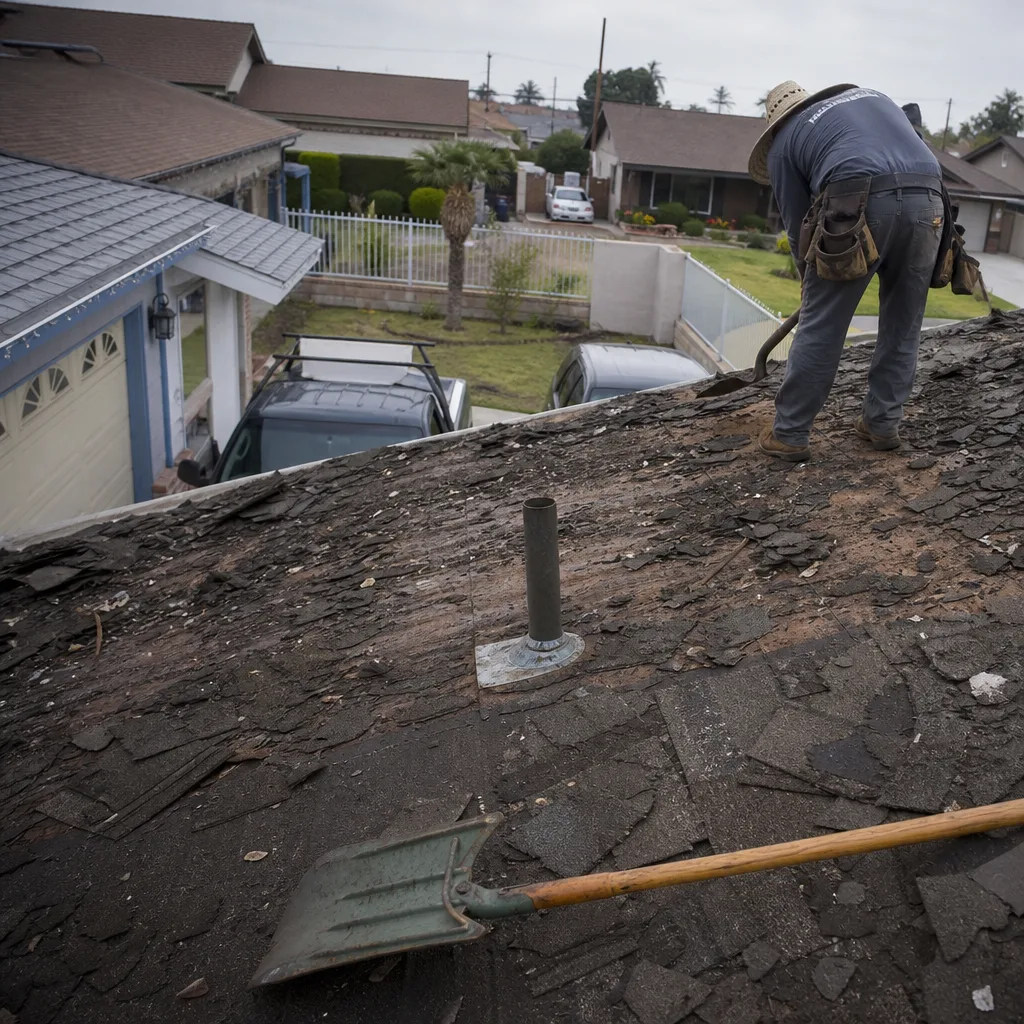 Before
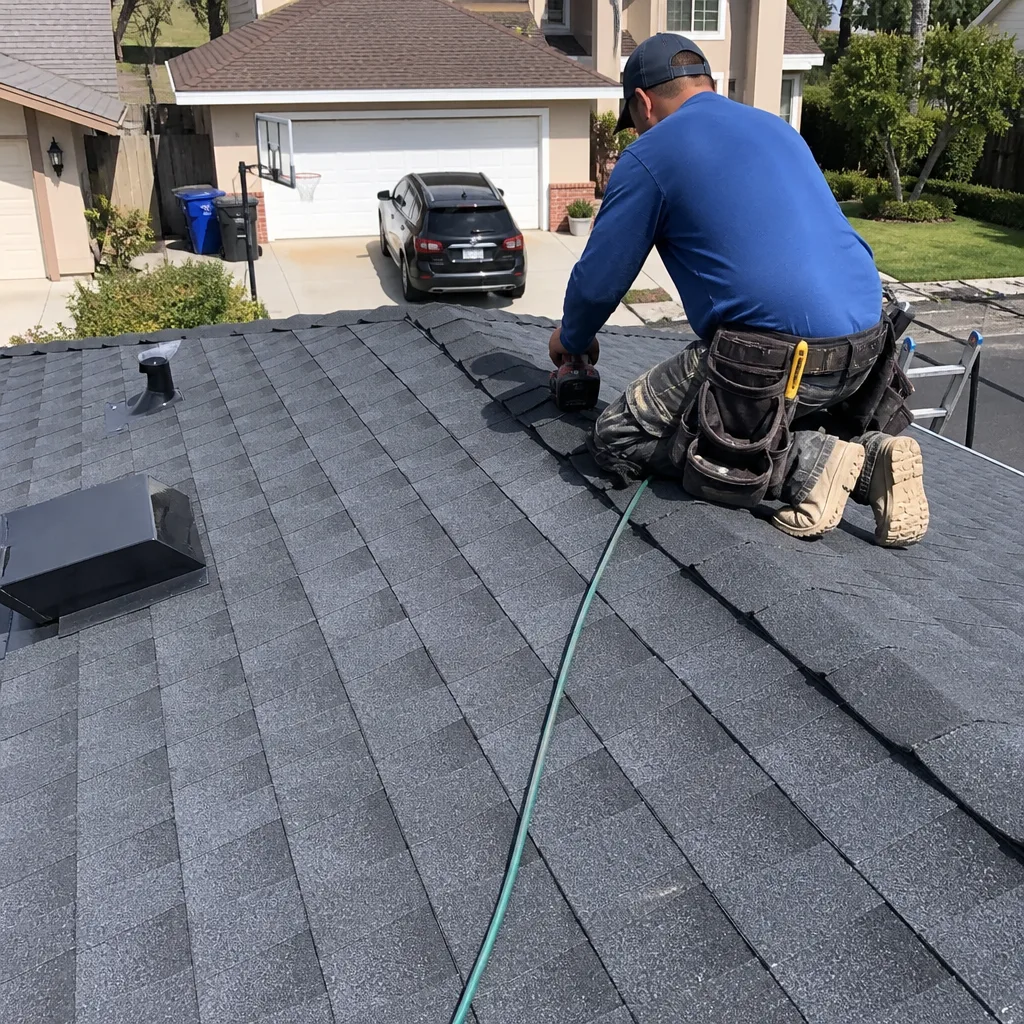 After
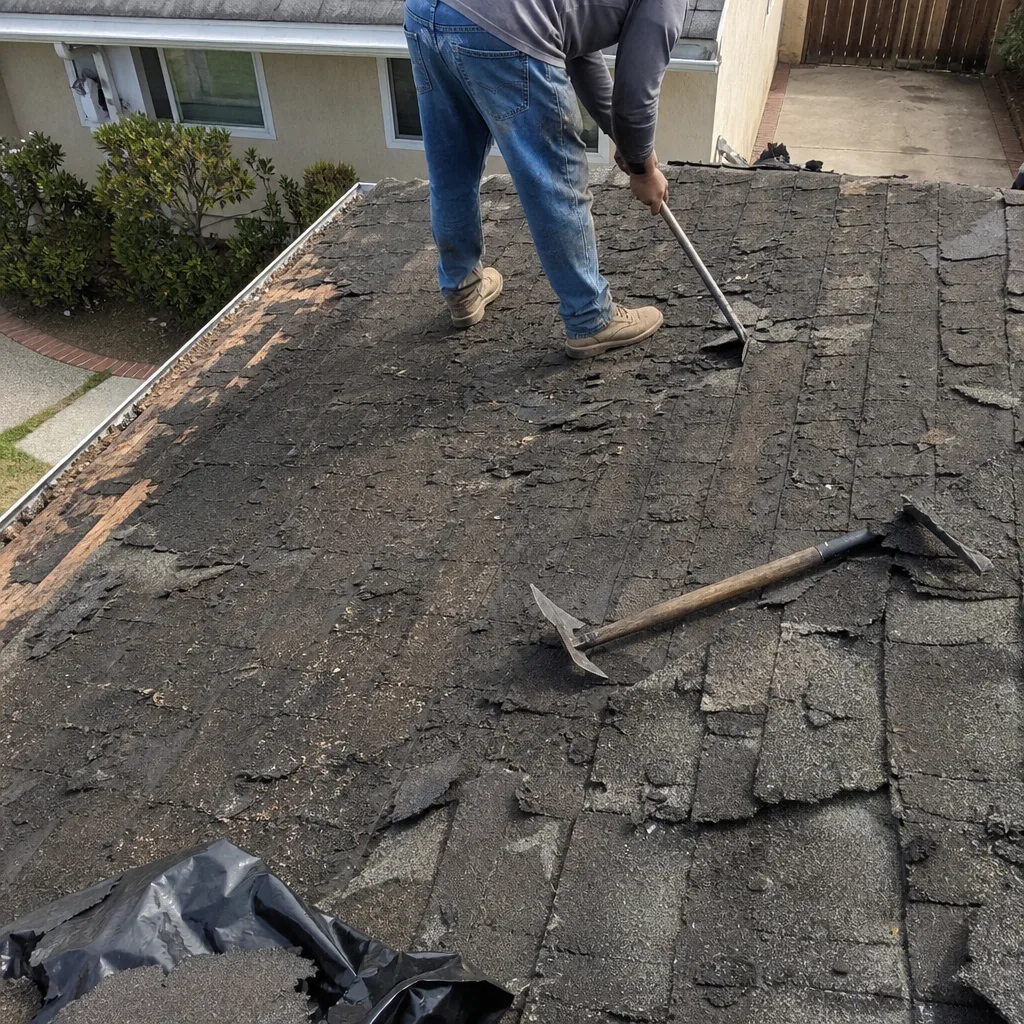 Before
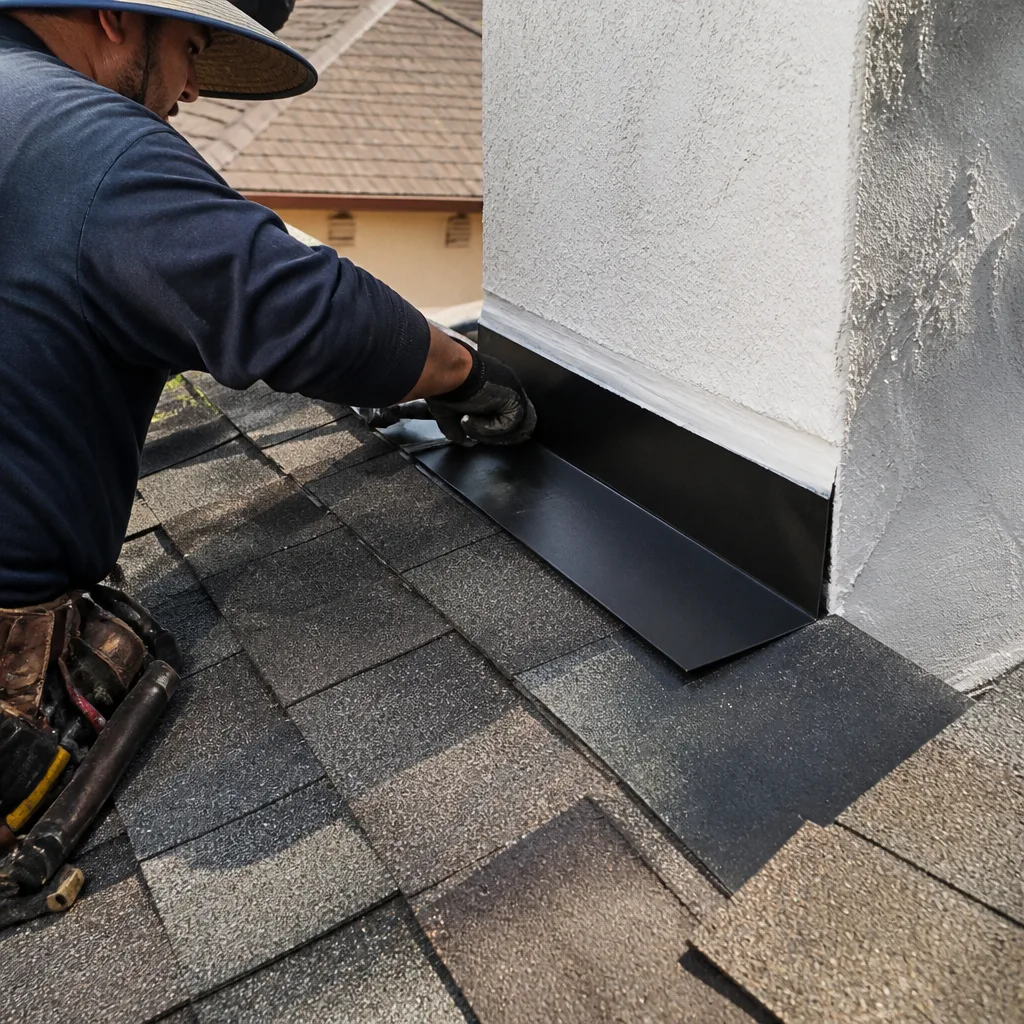 After
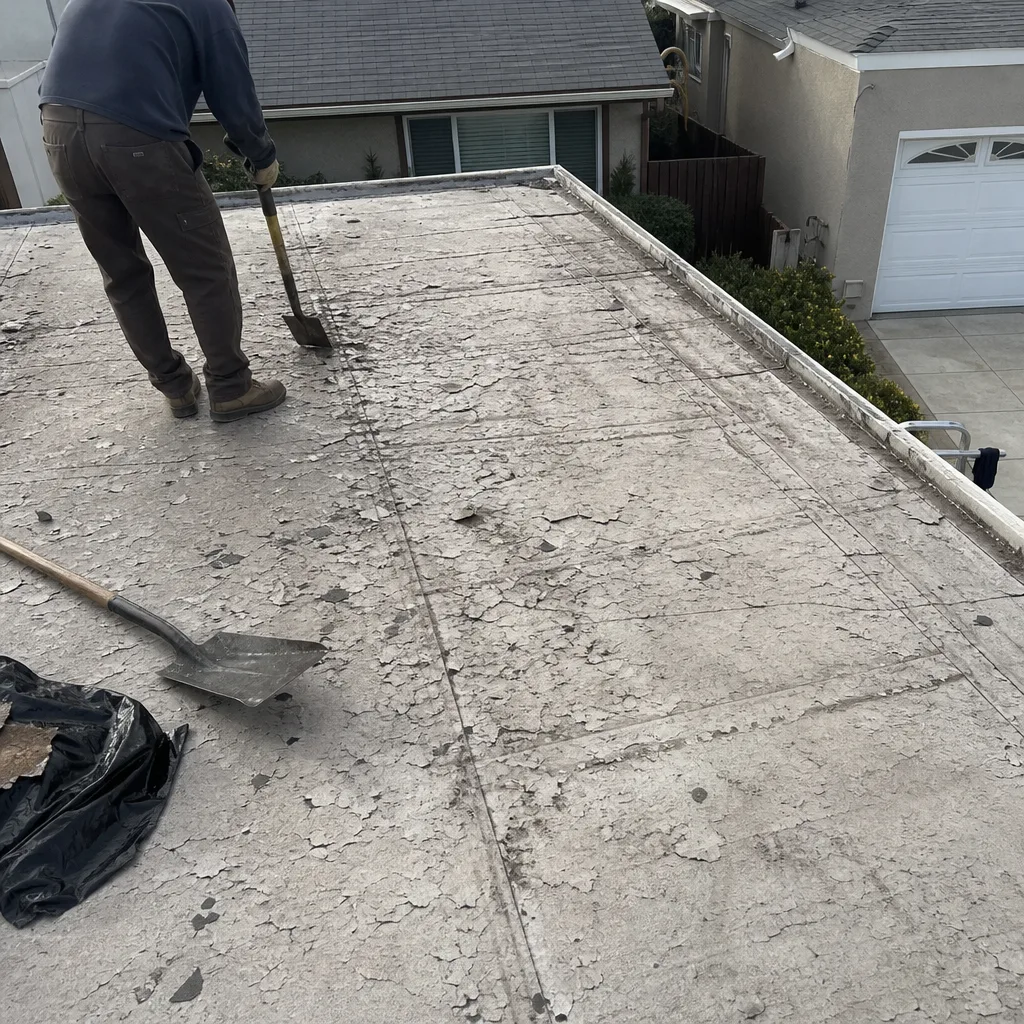 Before
 After
When to Call a Professional
Some roof work is safe and reasonable for a homeowner: clearing debris from valleys, checking gutters, doing visual inspections from the ground. Other situations genuinely require a trained roofer. If you see interior staining that has reached drywall or insulation, call a professional, because the full extent of the damage won’t be visible until the affected area is opened up. If Santa Ana winds have lifted shingles or ridges, repairs involve working at height with materials that are already compromised, and the risk of further damage or injury isn’t worth the savings. If you’re uncertain whether a problem is repair-level or replacement-level, that assessment requires an experienced eye on the actual roof surface. Willowbrook Roof Repair offers free estimates in Fountain Valley, call (866) 860-9404.
Frequently Asked Questions
Inspect your roof thoroughly once in October (pre-rain) and do lighter visual checks monthly during the marine-layer season from May through September, plus after any significant rain or Santa Ana wind event. Most Fountain Valley homes benefit from a professional inspection once a year, ideally in the October window. Call (866) 860-9404 to schedule a free estimate.
UV failure shows up as granule loss on sun-exposed slopes, shingle surfaces that look shiny or patchy rather than uniformly textured, curling at shingle edges, and asphalt that turns gray and brittle to the touch. These signs appear first on south and west exposures. If you’re seeing them, the roof may be cosmetically degraded but still functionally sound, or it may be close to the end of its service life; the only way to know is an inspection of the actual shingle condition.
Willowbrook Roof Repair offers free estimates for roof inspection, repair, and replacement work in Fountain Valley. No charge for the assessment. You’ll get a clear picture of your roof’s condition and an honest recommendation on what needs work, with no obligation. Call (866) 860-9404 to schedule yours.
Both. Surface staining from marine-layer moisture is cosmetic, but it indicates conditions where underlayment and decking are staying damp for extended periods. Over enough seasons, that persistent moisture weakens the underlayment and accelerates fastener corrosion. Treat visible algae growth as an indicator that the roof assembly is holding more moisture than it should, and investigate the underlying conditions rather than just cleaning the surface.
For Fountain Valley, the ideal replacement window is late spring through early fall, when dry conditions allow clean installation and proper adhesive curing. Replacing a roof in November or December is possible but carries weather-delay risk. If your roof is already leaking, don’t wait for a “good” season. Call (866) 860-9404 and we’ll assess whether a temporary repair will hold until the replacement window opens.
The deciding factors are the age of the roof, the condition of the decking underneath, the extent of granule loss, and whether leaks are isolated or systemic. A single failed flashing is a repair. Widespread granule loss with multiple leak sources on a 20-plus-year-old roof is usually replacement territory. The only way to get an honest answer is to have the actual roof assessed rather than guessing from the ground. Our estimates are free, and we’ll tell you what we see without pushing you toward the more expensive option.
The Bottom Line
Fountain Valley’s roof stress isn’t driven by snow or freezing temperatures. It’s UV degradation, marine-layer moisture persistence, and Santa Ana wind uplift working on materials that were rated in different conditions. The calendar-month seasonal framework doesn’t fit this climate. What fits is a rhythm built around the two local stress cycles and the two transition windows where maintenance has the highest return. Know the October-November sealant window. Know the February-April post-rain assessment. Watch flat-roof sections year-round. And when the assessment points toward repair or replacement, a single contractor who works across seven major roofing manufacturers and covers inspection through full replacement simplifies the decision and the execution. Starting at the Willowbrook Roof Repair home page or calling (866) 860-9404 is the fastest way to turn this guide into an actual plan for your roof.
Written by the team at Willowbrook Roof Repair, serving Fountain Valley since 2012.