Last updated October 30, 2026
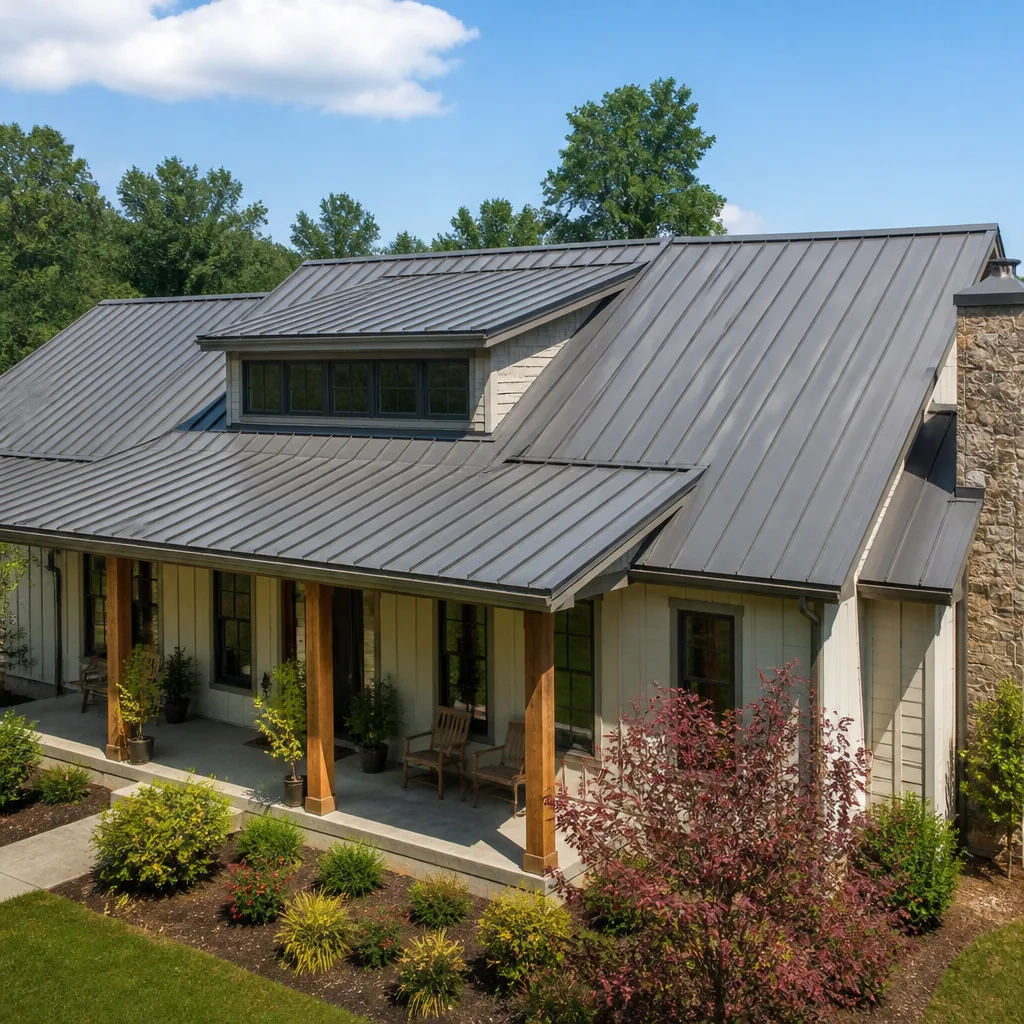 Metal roofing
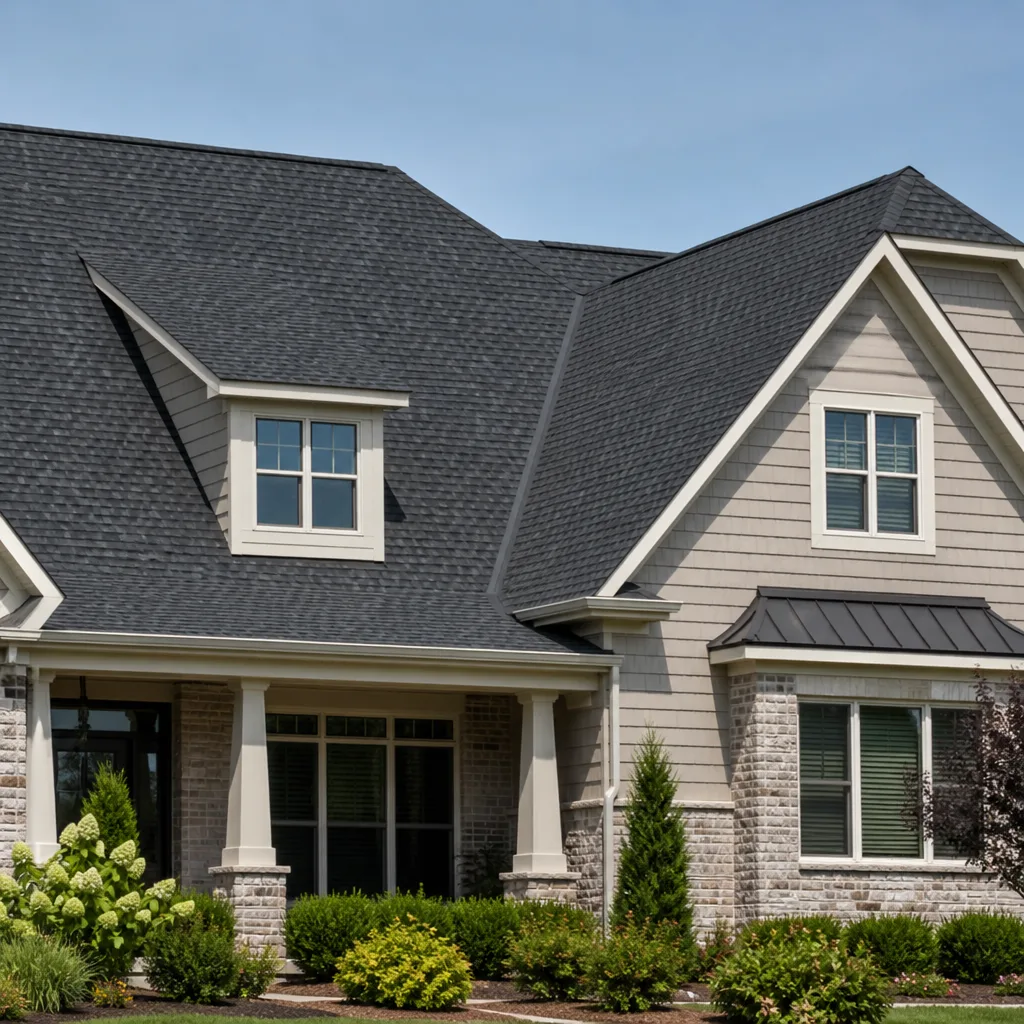 Architectural shingles
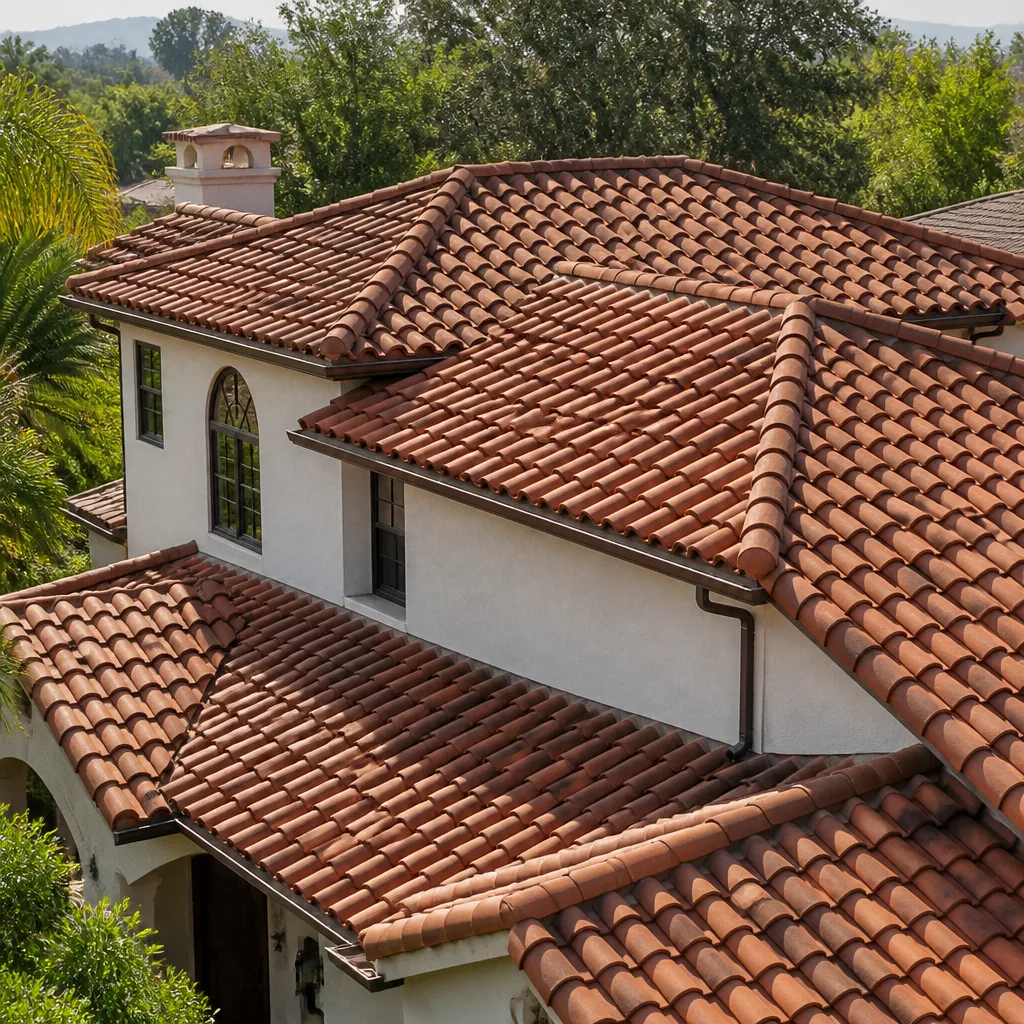 Tile roofing
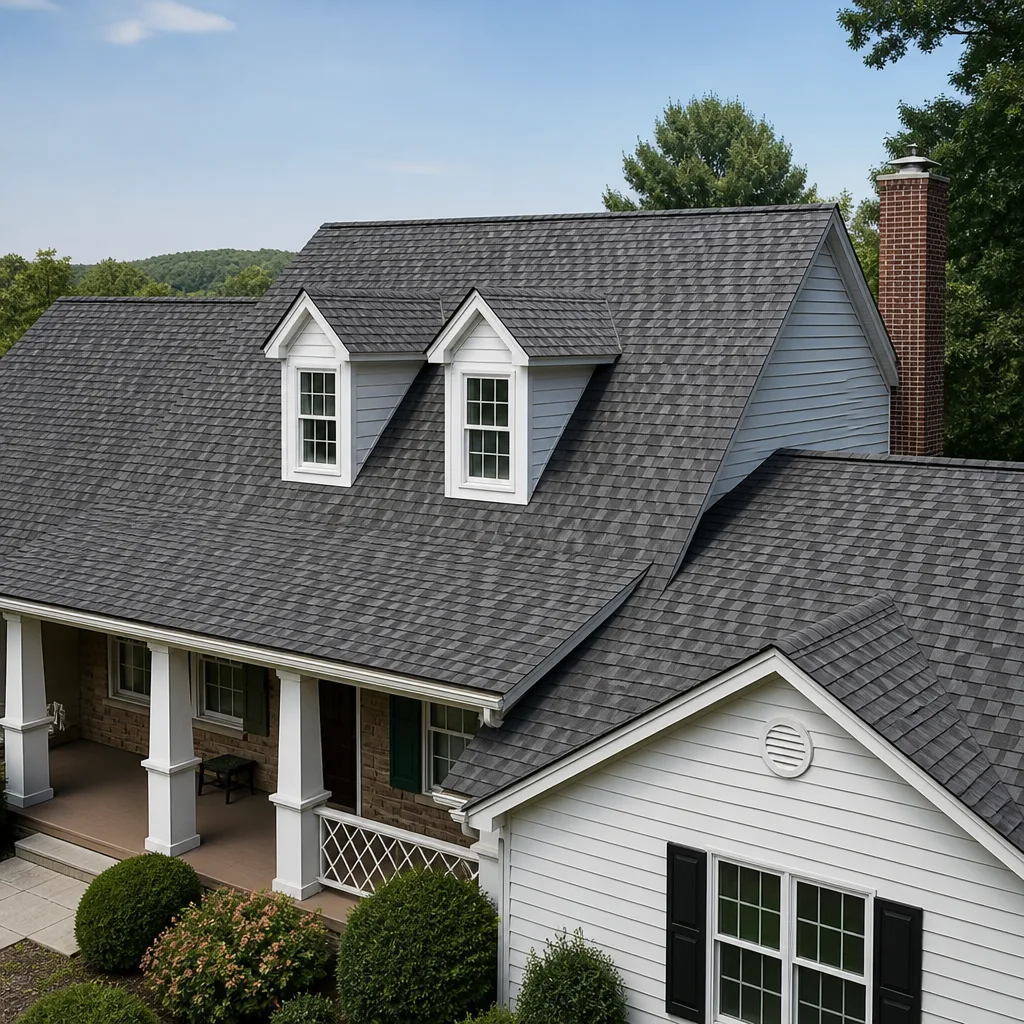 GAF
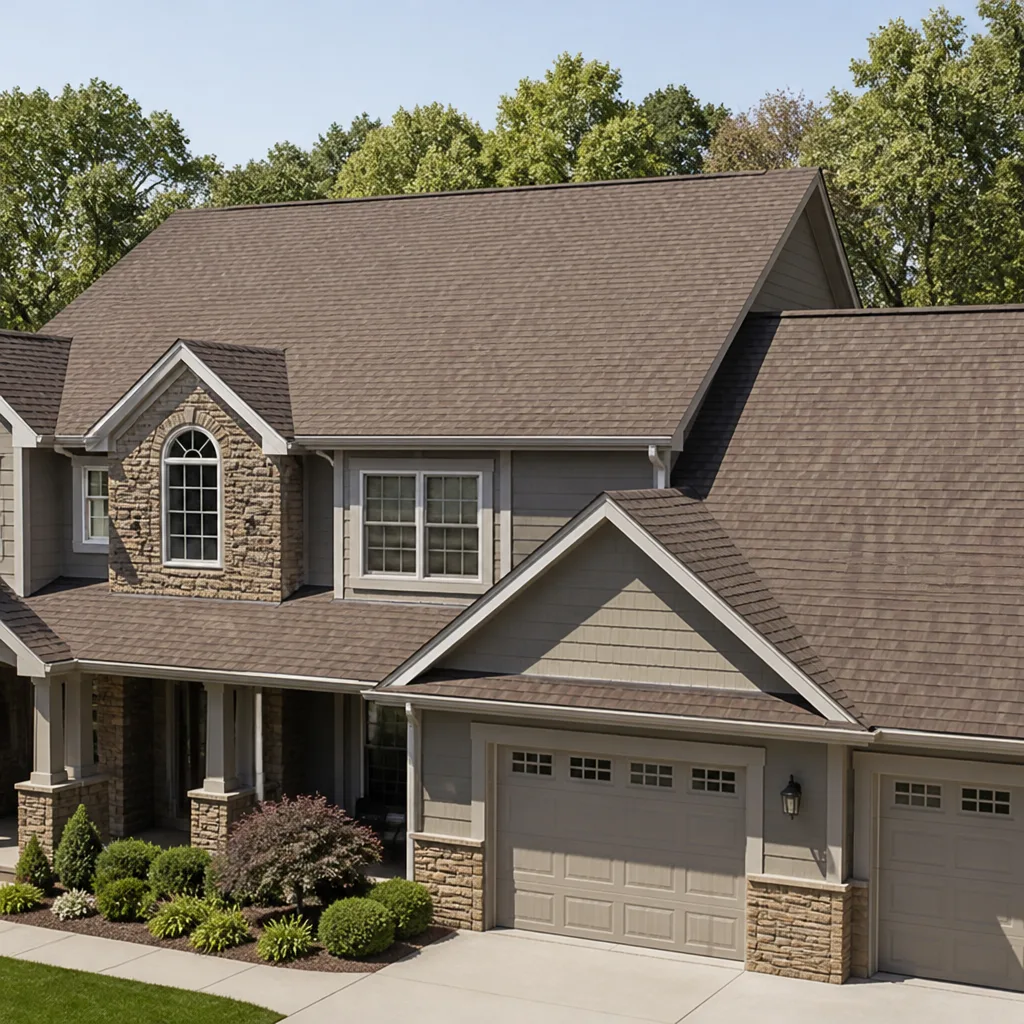 Owens Corning
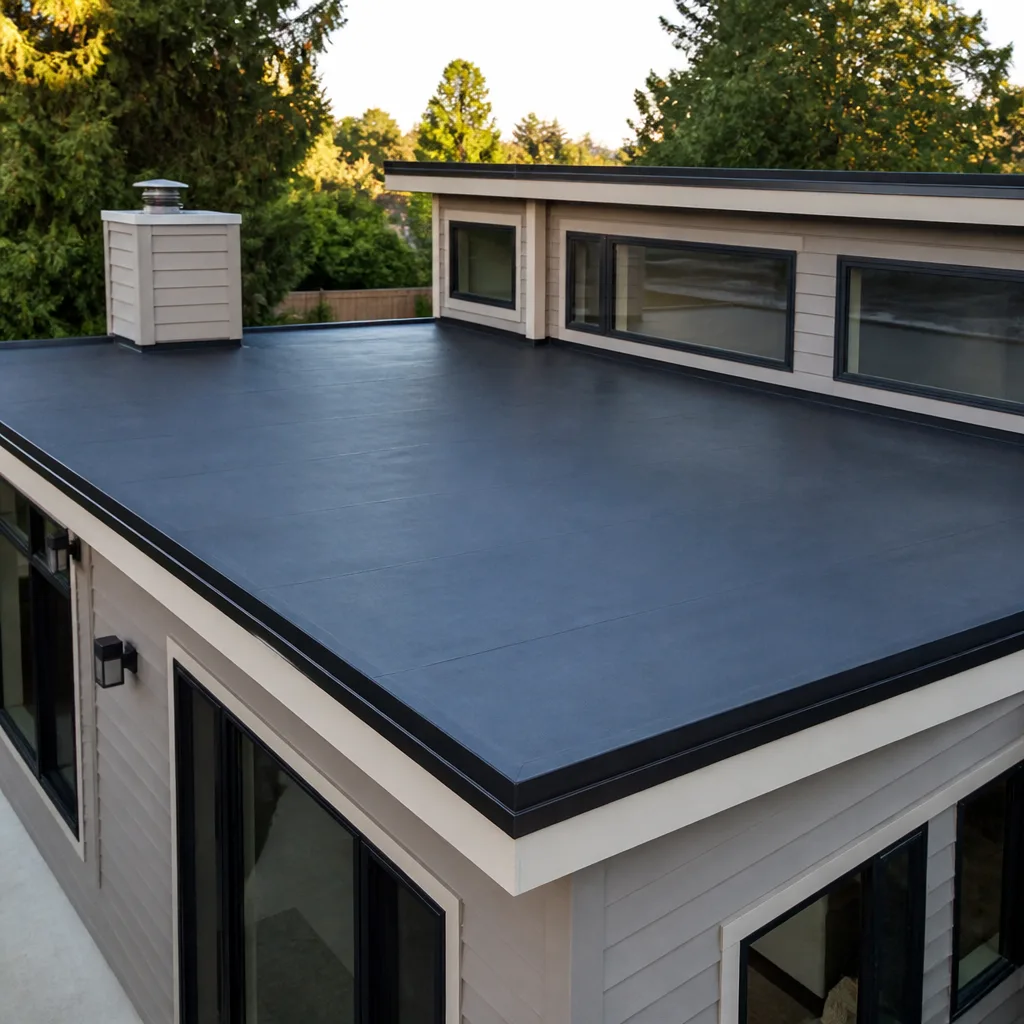 Flat & low-slope
Free roof inspection with deck photos before we talk money - GAF and Owens Corning certified installation
The Complete Guide to Roofing in Fountain Valley
Fountain Valley sits roughly four miles from the Pacific, close enough that salt-laden marine layer settles on roofs most mornings from May through September. That coastal moisture accelerates oxidation on metal flashings and granule loss on asphalt shingles faster than homes just ten miles inland. Then, between October and February, Santa Ana winds arrive from the northeast, hitting roof edges and ridge lines with gusts that routinely exceed 40 mph. Most generic California roofing guides skip over this combination entirely. This one does not. You’ll learn how marine humidity, wind-driven debris, and Fountain Valley HOA aesthetic rules should shape every roofing decision you make, from material choice to whether repair or replacement makes more sense for your specific situation.
Quick Answer
Roofing in Fountain Valley requires matching material and installation details to three local forces: coastal moisture that degrades adhesives and metals, Santa Ana winds that stress ridge caps and rake edges, and HOA architectural guidelines that restrict what you can install. The four dominant material types in this market are concrete tile, clay tile, architectural shingle, and TPO for flat sections, each with distinct lifecycle costs and performance trade-offs. A material-agnostic contractor who works across multiple manufacturers can give you a recommendation based on your roof and budget, not a supplier agreement.
Styles & brands we work with
Table of Contents
- How the Fountain Valley Marine Layer Affects Your Roof
- Fountain Valley HOA Rules: What You Can and Cannot Install
- Lifecycle Cost Comparison: The Four Dominant Materials in Orange County
- Santa Ana Winds and the Failure Points Most Installers Miss
- Title 24 vs. City Permit Inspection: What Each One Actually Covers
- Repair or Replace? A Decision Framework for Fountain Valley Homes
- Common Mistakes to Avoid
- Frequently Asked Questions
How the Fountain Valley Marine Layer Affects Your Roof
The marine layer that blankets Fountain Valley most summer mornings is not a minor inconvenience for your roof. It is a persistent source of moisture that settles into every seam, fastener, and exposed edge. Here is what that humidity actually does to the materials on your roof.
Asphalt shingles: The adhesive strips that bond shingle courses together lose their grip faster in sustained humidity. When the morning marine layer burns off by late morning, the thermal cycling stresses that adhesive bond. Granule loss follows. We see architectural shingles in Fountain Valley losing granules along the eaves and south-facing slopes five to seven years earlier than the same product installed in, say, Corona or Riverside.
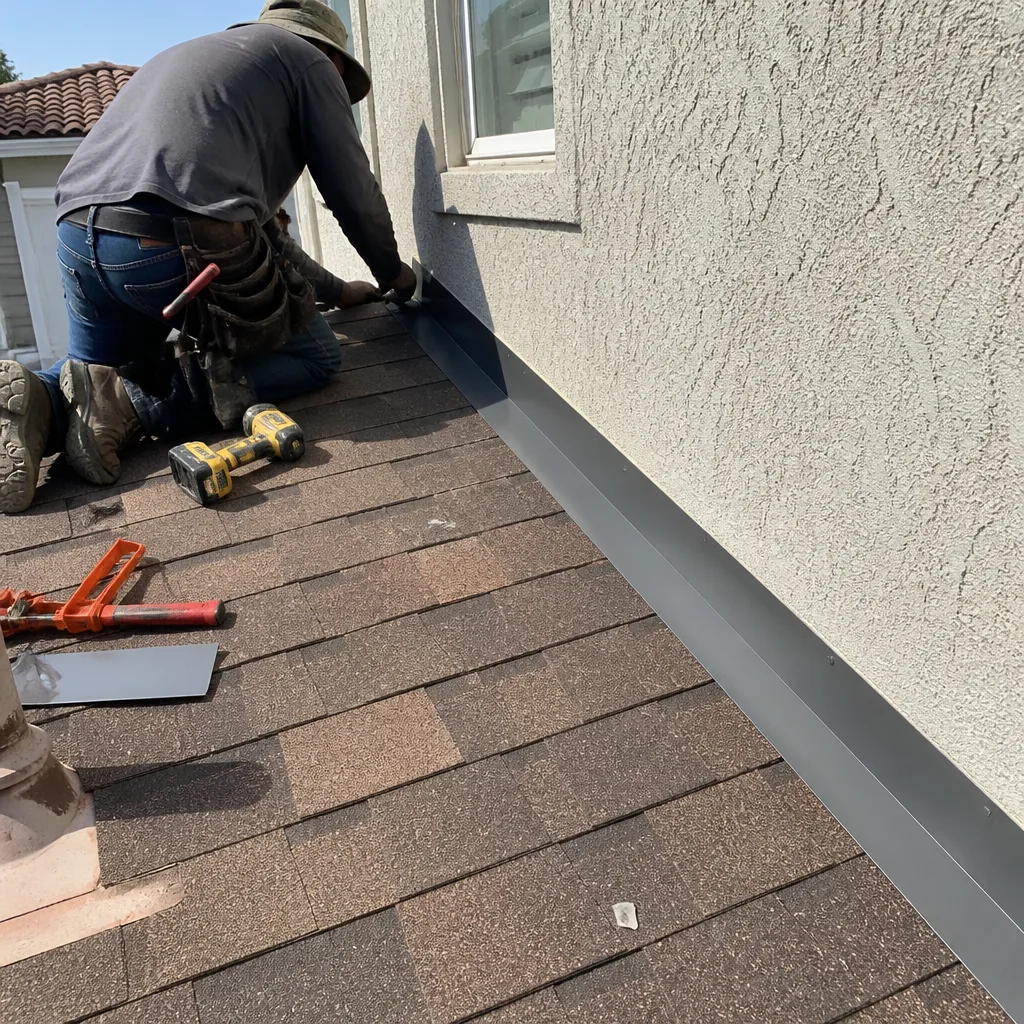
Metal flashings: Salt carried in the marine air is mildly corrosive. Galvanized steel flashings at chimneys, valleys, and pipe penetrations will oxidize faster here than inland. The thin zinc coating on standard flashing is adequate for inland Southern California, but Fountain Valley’s salt air means you should ask about heavier-gauge or treated flashing whenever work is done. It usually costs an extra $150 to $400 on a full replacement and extends the flashing life significantly.
Wood decking: The plywood or OSB beneath your roof covering absorbs ambient humidity. If your attic ventilation is weak, that moisture gets trapped against the underside of decking and promotes rot. Fountain Valley homes built before the late 1980s often have undersized eave and ridge vents. The result is decking that fails before the shingles or tiles above it do, which is why a Roof Inspection in Fountain Valley should include an attic-side check, not just a visual walk from the ground.
Here is what this means for you in practical terms:
- Choose granule-embedded sealant shingles if you want maximum adhesion in humid air. GAF Timberline and CertainTeed Landmark both offer versions designed for coastal adhesion.
- Specify corrosion-resistant flashing on any repair or replacement, especially at valleys and side walls.
- Have attic ventilation evaluated every five years. Ventilation problems compound the effects of coastal moisture.
- Schedule inspections for late spring, right before the marine layer season peaks.
We work across seven major roofing brands including GAF, CertainTeed, Owens Corning, IKO, Atlas, Tamko, and Boral. The right material for your roof determines our recommendation, not what we happen to stock. In Fountain Valley’s specific humidity profile, that matters more than most contractors admit.
Fountain Valley HOA Rules: What You Can and Cannot Install
Fountain Valley has more than 30 active homeowner associations. A large share of the city’s single-family homes fall under HOA jurisdiction, and most of those associations have architectural review committees that govern roof material, color, and even sheen. Ignoring this step costs homeowners real money. We have heard of cases where a homeowner installed a roof that was fully code-compliant but failed HOA review, and the HOA required replacement at the homeowner’s expense.
Here is the step-by-step process you should follow before buying any materials:
- Read your CC&Rs. Not the summary. The actual recorded declaration. Look for the “architectural standards” or “design guidelines” section. It will specify approved roof types, approved color palettes, and whether certain materials like wood shake or standing seam metal are prohibited outright.
- Confirm the approval process. Most Fountain Valley HOAs require a written application with material samples and color swatches. Some require a neighbor notification period. Some allow an architectural review committee member to approve in writing; others require full committee review that meets monthly.
- Check for a roof-specific rule. Many Fountain Valley associations have moved toward standardized “cool roof” palettes. Some developments in the Greenbrook area specify only lighter-colored concrete tile. Others near Mile Square Park allow architectural shingles but restrict them to specific color lines from specific manufacturers.
- Get approval in writing before work begins. A verbal yes from a committee member does not protect you. Your contractor should not start work until you have the written approval in hand.
The materials most commonly approved across Fountain Valley HOAs are concrete tile in earth tones, clay tile in the Spanish/Mission profile, and architectural shingles in gray, charcoal, or weathered-wood color families. Atlas and Tamko both make asphalt shingle color lines that match common HOA palette requirements. Boral makes concrete and clay tile profiles that pass most Orange County architectural reviews. TPO is typically limited to flat sections that are not visible from the street.
A note on process: when we do a Roof Replacement in Fountain Valley, we ask about HOA status at the first conversation. If you are in an HOA, we coordinate material samples and documentation so the approval process does not stall the job. Our Willowbrook Roof Repair home service area covers all Fountain Valley neighborhoods regardless of HOA status.
Lifecycle Cost Comparison: The Four Dominant Materials in Orange County
Install cost is a snapshot. Lifecycle cost is the number that actually matters. Here is how the four dominant roofing materials used in Fountain Valley compare over a 30-year horizon, including typical maintenance and expected replacement cycles.
| Material | Typical Install Cost (per sq, Fountain Valley market) | Expected Life | Key Maintenance | Notes |
|---|---|---|---|---|
| Architectural shingle | $450-$700 | 22-30 years | Inspect flashing every 8-10 years; clean debris annually | Fastest install; lightweight; widest color range; granule loss accelerates near coast |
| Concrete tile | $800-$1,200 | 40-60 years | Re-bedding ridge caps every 15-20 years; tile replacement after any breakage | Heavy; requires structural check; excellent UV resistance but moisture works on underlayment |
| Clay tile | $1,000-$1,500 | 50-80+ years | Same as concrete plus annual check of tile interlocking after Santa Ana wind seasons | Classic Orange County look; very heavy; higher install cost but very low lifecycle cost |
| TPO (flat sections) | $350-$600 | 15-20 years | Seam inspection every 3-5 years; debris removal after storms | White membrane helps cool the house; common on ranch homes with flat rear sections |
Now, the math most guides skip:
- Architectural shingle at $550/sq installed for a 30-square roof ($16,500) lasts about 25 years in Fountain Valley’s marine air. That is $660 per year. It will likely need one full replacement inside a 30-year period, so double the install cost: roughly $33,000 across 30 years.
- Concrete tile at $1,000/sq installed ($30,000) lasts 50 years. It needs re-bedding once or twice ($2,000-$4,000 each). Thirty-year cost is about $34,000 to $38,000 including one re-bed. It outperforms shingles on value per year once you pass the 20-year mark.
- Clay tile at $1,200/sq ($36,000) with the same maintenance assumptions comes in around $40,000 over 30 years, but it can go 80 years, which means the true annualized cost is the lowest of any material if you stay in the home long term.
- TPO flat sections are often a required repair on older Fountain Valley ranch homes. The numbers above assume a 5-8 square flat area, not a whole roof. TPO does not compete on lifespan but it is the standard for low-slope sections where tile and shingle are not viable.
For most Fountain Valley homeowners, the actual question is not “what is cheapest to install” but “how long will I stay in this house, and what does my HOA allow.” We start with an honest inspection and give you the material-agnostic math. You will know exactly what needs to be done, and why, before any work begins.
Santa Ana Winds and the Failure Points Most Installers Miss
Every October, weather forecasts start tracking high-pressure systems over the Great Basin. When that pressure gradient forms, Fountain Valley gets hit with northeast winds that push 40 to 60 mph in exposed neighborhoods and higher in gusts near channelized areas along the Santa Ana River corridor. Those winds do not hit your roof evenly. They hit specific points harder than the rest.
Ridge caps: The running cap at the top of the roof takes wind from both sides. On hot days before a Santa Ana event, the sealant under ridge cap shingles softens. When the wind arrives, it pushes under that leading edge. Standard installation uses three tabs of asphalt sealant per cap. In Fountain Valley, we recommend six tabs and a stepped-offset stagger on high-exposure ridges. The difference is about an hour of labor and roughly $80 in materials on a full roof. We have repaired dozens of blown-off ridge caps in the Meadow Homes and Cordata neighborhoods that were installed to inland specs and simply could not hold.
Rake edges: The sloped edge that runs from eave to ridge on gable roofs catches wind laterally. Standard drip edge installation tucks the top flange under the underlayment, but it is not anchored to the deck. In wind, that lip acts like a sail. We specify added fasteners every eight inches on rake edges for all Fountain Valley roof replacements, which exceeds the standard six-to-eight-inch-o.c. pattern used inland.
Pipe flashings and vents: Wind-driven rain from the northeast hits these penetrations side-on. Standard roof cement collars crack after a few seasons of thermal cycling. We use storm collars or secondary seals on any east- and north-facing penetration.
Tile roofs: Clay and concrete tiles interlock, but individual tiles can still lift if the underlayment is old and fasteners have backed out. After Santa Ana season, we routinely find cracked edges on tiles near the rake line. Roof Repair in Fountain Valley calls spike in the week after a strong offshore wind event for exactly this reason.
The practical takeaway: if your roof was installed before 2015 and you have not looked at the ridge caps since, do a visual check now. If caps are curling or missing, call before the next wind event. The six-inch section of exposed wood at the ridge is the fastest leak point on any Fountain Valley roof.
Title 24 vs. City Permit Inspection: What Each One Actually Covers
California’s Title 24 building standards are energy-efficiency requirements. City of Fountain Valley permit inspections are about code compliance, structural safety, and correct installation. They overlap in a few ways, but they are not the same thing, and confusing them causes real problems.
What a Title 24 cool-roof compliance check covers
Title 24 Part 6 sets minimum reflectivity and thermal emittance requirements for roof coverings on new buildings and on any re-roofing project that replaces more than a certain percentage of the roof surface. In Fountain Valley, that means any full roof replacement triggers a cool-roof requirement check. Clay tile and concrete tile in lighter natural tones generally pass. Dark architectural shingles often do not unless they carry a CRRC-rated cool-roof product listing. Some shingle manufacturers make specific “cool” versions of their standard color lines. GAF and CertainTeed both offer cool-rated architectural shingle products. You do not always need a separate Title 24 inspection; the requirement is often verified through the permit process or a third-party compliance form.
What the City of Fountain Valley permit inspection covers
- Underlayment type and attachment
- Deck condition and fastener pattern
- Flashing detail at all penetrations, walls, and valleys
- Proper overlap at eave and rake edges
- Wind-resistance compliance per the California Building Code (which, after the 2022 code cycle, uses ASCE 7-16 maps that include Fountain Valley’s local wind zone)
- Final surface condition and drainage
Here is the point that matters for homeowners: a roof can pass a City of Fountain Valley permit inspection and still fail Title 24 cool-roof requirements, or vice versa. A competent contractor handles both as separate items in the project scope. We pull permits on every replacement, and the inspection results are part of the project record. No change orders. No last-minute surprises about compliance.
Repair or Replace? A Decision Framework for Fountain Valley Homes
Here is the framework we use, in plain steps. Work through it in order.
- Is the decking saturated or rotten? If a moisture meter reads high across more than 20% of the deck surface, you are replacing sections of roof, not repairing them.
- Is the existing roof more than 70% through its expected life? For architectural shingles in Fountain Valley, that is roughly the 17-20 year mark. For concrete tile, that is the 35-40 year mark, and the underlayment likely needs full replacement at that point.
- Was the roof installed before 2015? If yes, it was likely installed to pre-2022 wind code standards and pre-current marine-moisture best practices. Replacement is more likely to be the right financial call.
- Can you match the existing material? Many HOA color palettes in Fountain Valley have shifted. If your 2003-era concrete tile was discontinued, a repair with mismatched tile looks wrong and may fail HOA review.
- What is the total repair cost? If repairs over the next five years will total more than 50% of replacement cost, replace now and stop paying in installments.
- How long will you stay in the home? Under five years: choose the lowest-cost repair that will pass inspection and HOA review. Over ten years: replacement with a high-lifespan material makes more financial sense.
When a repair grows into a replacement, you should not need to start over with a second company. From a single damaged section to a full tear-off and replacement, one call covers the entire job. Our Roof Inspection in Fountain Valley is built around that decision framework, and we give you the numbers in writing.
Common Mistakes to Avoid
- Skipping the HOA check before buying materials. Fountain Valley HOAs enforce color, profile, and material restrictions. A code-compliant roof that fails architectural review can cost you a full redo.
- Choosing a roofing material based on install price only. Architectural shingles are cheaper to install but more expensive over 30 years than concrete or clay tile. Run the lifecycle math.
- Using inland installation specs for ridge caps and rake edges. Santa Ana winds hit Fountain Valley roofs from the northeast, demanding more fasteners and sealant at the exact points a standard installation skimps on.
- Neglecting attic ventilation. The marine layer imposes high ambient humidity. Poor ventilation traps it against decking and rots the roof from below.
- Waiting to address a leak until it is visible inside. By the time water shows on a ceiling, decking has often been saturated for months. Interior stains mean the roof failure is already old.
- Assuming a cool-roof check is part of a standard permit inspection. It is not. Title 24 compliance and City of Fountain Valley inspection are separate layers of the project.
When to Call a Professional
Call for a professional roof inspection if you notice any of these specific warning signs in Fountain Valley: shingle granules accumulating in gutters or at downspout outlets, exposed or curling ridge caps after a Santa Ana wind event, ceiling stains that appear only after heavy rain, musty attic odor during marine-layer season, or tile that shifts when you walk the roof. A leak that is not visible inside does not mean there is no problem. In our experience, interior stains show up four to six months after the roof breach begins. Willowbrook Roof Repair offers free estimates in Fountain Valley, call (866) 860-9404.
Frequently Asked Questions
Typical Fountain Valley roof replacement costs run from $18,000 to $42,000 depending on material, roof size, and decking condition. Architectural shingles are the lowest install cost at roughly $450 to $700 per square. Concrete tile runs $800 to $1,200 per square. Clay tile runs $1,000 to $1,500 per square. When you factor in lifespan and maintenance, concrete and clay tile often cost less per year than shingles if you stay in the home long term. Call (866) 860-9404 for an exact quote, estimates are free.
Most leaks can be temporarily sealed on the first visit and permanently repaired within the week. We do not recommend rushing a permanent repair on a saturated deck; the sealant will not hold. The priority is stopping the water intrusion immediately and then scheduling the proper fix once the deck has a chance to dry.
Most Fountain Valley HOAs approve concrete tile in earth-tone colors, clay tile in Spanish or Mission profiles, and architectural shingles in gray, charcoal, or weathered-wood families. Some newer developments require cool-roof rated colors that meet Title 24 reflectivity minimums. Always pull your CC&Rs before buying materials.
Only if the deck below is discovered to be rotten or structurally deficient once the old roof is off. That condition cannot be seen from the top down. A written line-item quote that includes a deck replacement contingency protects you. We pull permits and pass inspections, so if deck rot is found during the strip, it is documented and priced per the contract, not with uncontrolled change orders.
Yes. Roof replacements in Fountain Valley require a City of Fountain Valley building permit, and the work must pass a final inspection. We handle the permit application, schedule the inspections, and provide you the inspection results as part of the job record. Title 24 cool-roof compliance is verified separately from the city inspection.
A standard architectural shingle replacement on a 25- to 30-square Fountain Valley home takes four to six working days from tear-off to final inspection. Concrete or clay tile takes seven to ten working days depending on roof complexity and the extent of re-bedding needed. HOA approval timelines are separate and range from one week to 45 days depending on the association.
The Bottom Line
Fountain Valley roofing decisions should not be made with generic California advice. Marine-layer moisture attacks adhesives and metal. Santa Ana winds exploit ridge caps and rake edges. HOA rules restrict what you can install, and Title 24 adds a compliance layer that standard inspections do not cover. The right material is a function of your roof, your budget, your HOA, and how long you plan to stay. We work across seven major roofing brands including Atlas, Tamko, Boral, GAF, and more, so the recommendation follows your house, not what we stock. Roofing is the only thing we do, and we do it across the full range of leading manufacturers.
Written by the team at Willowbrook Roof Repair, serving Fountain Valley since 2012.
See the difference
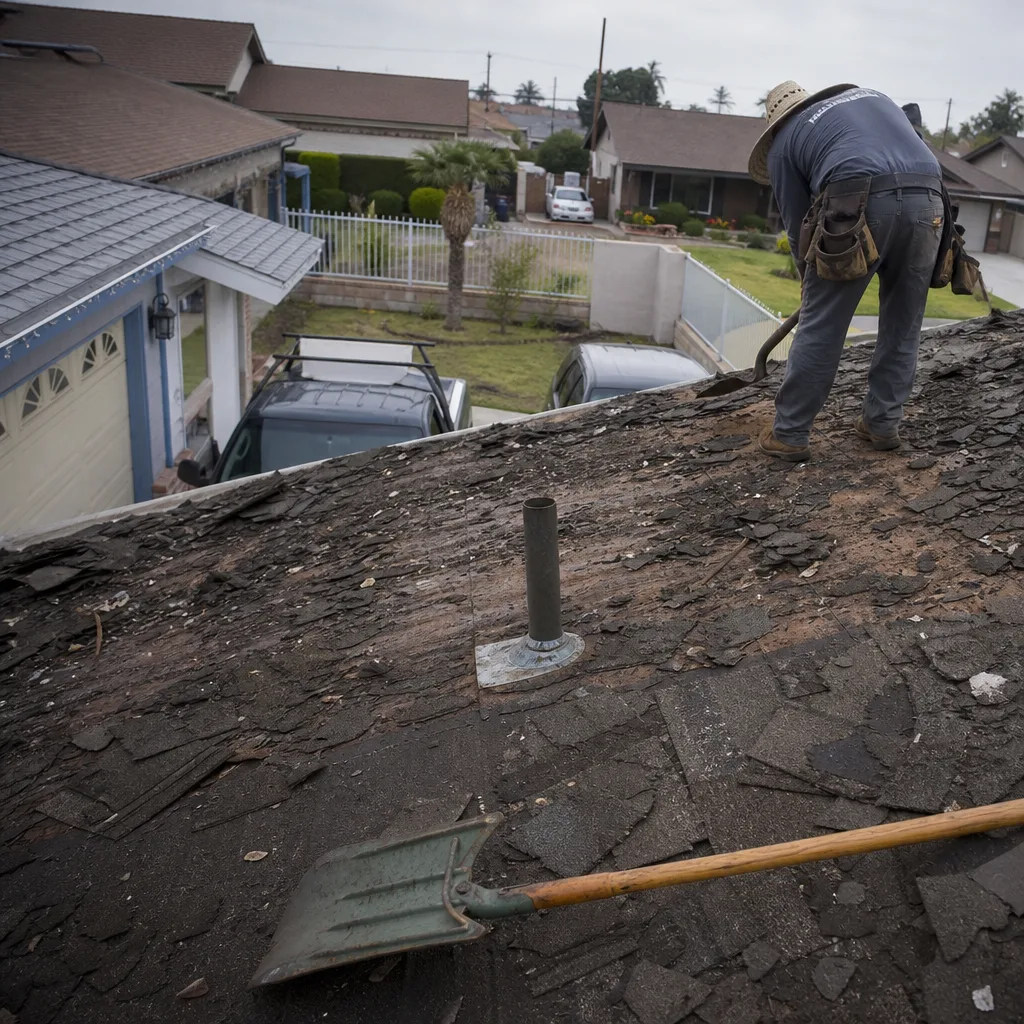 Before
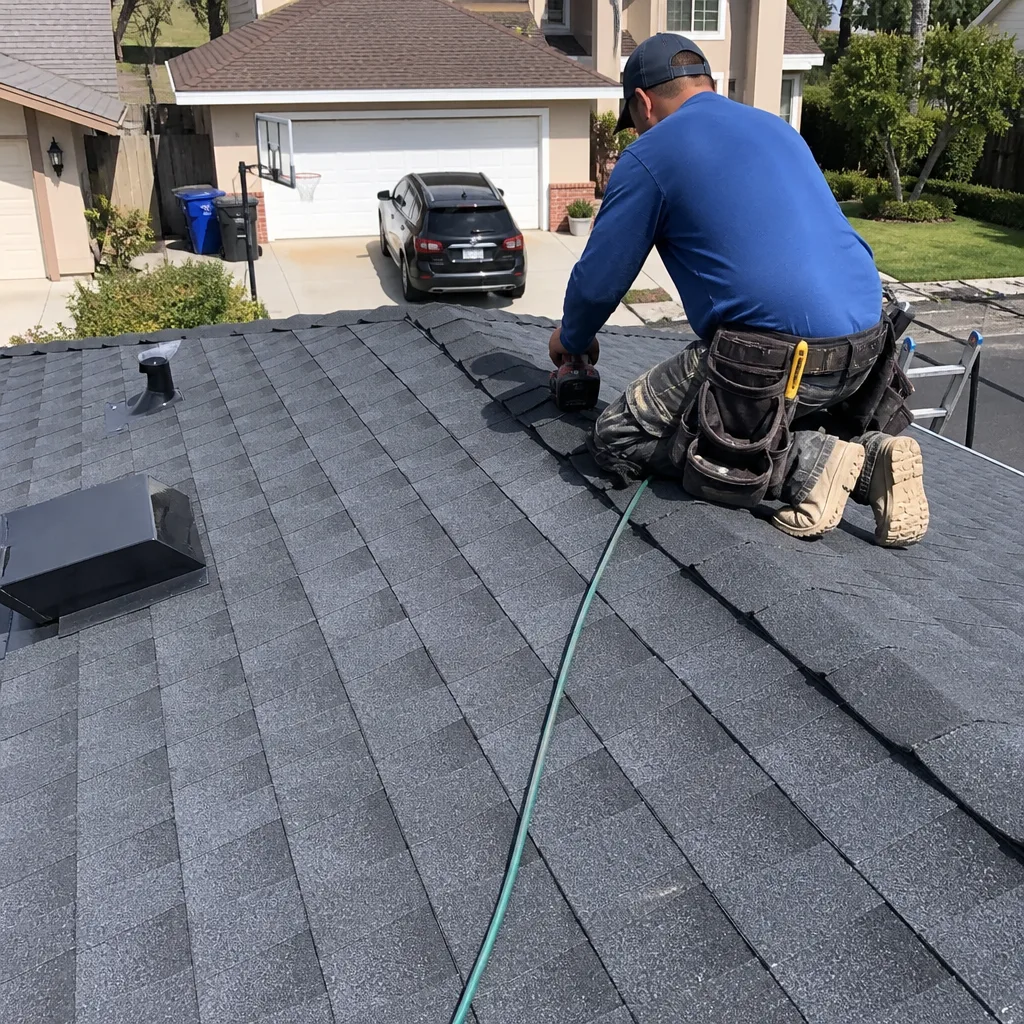 After
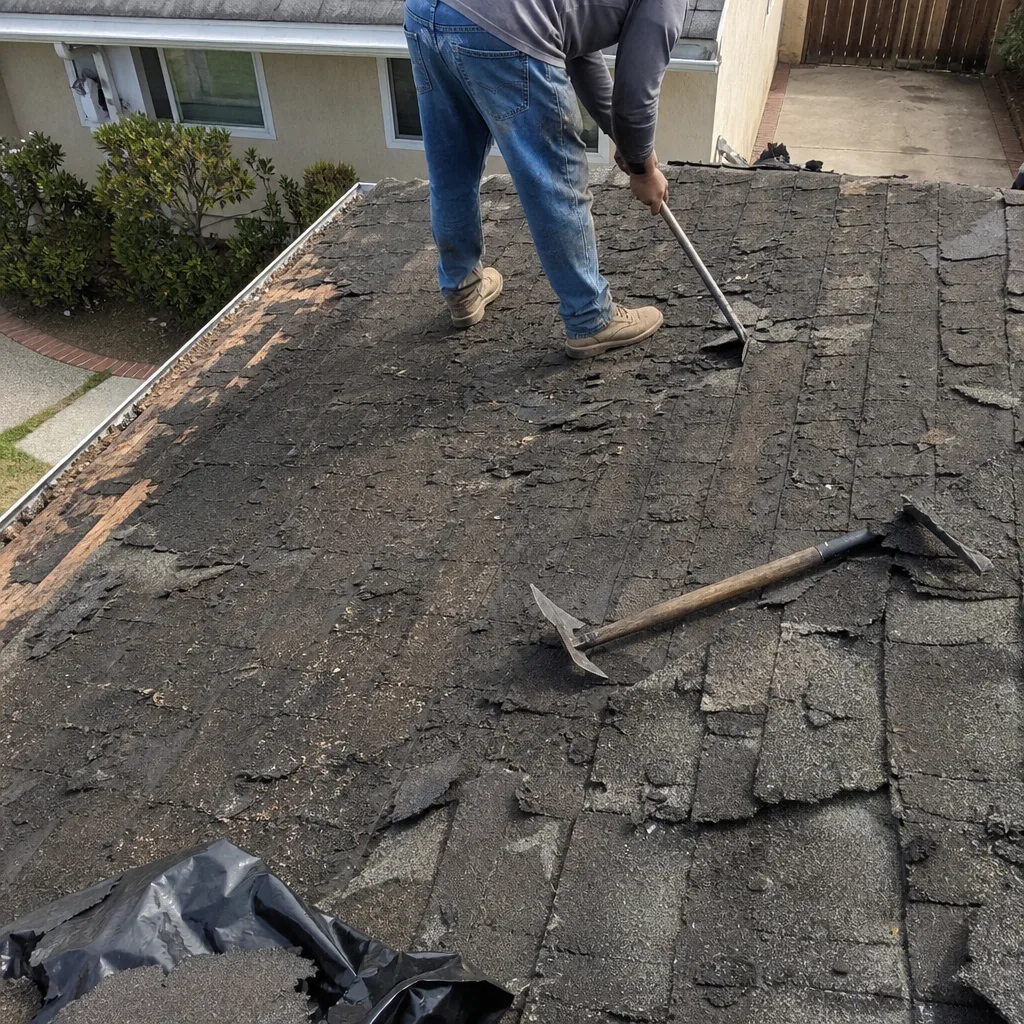 Before
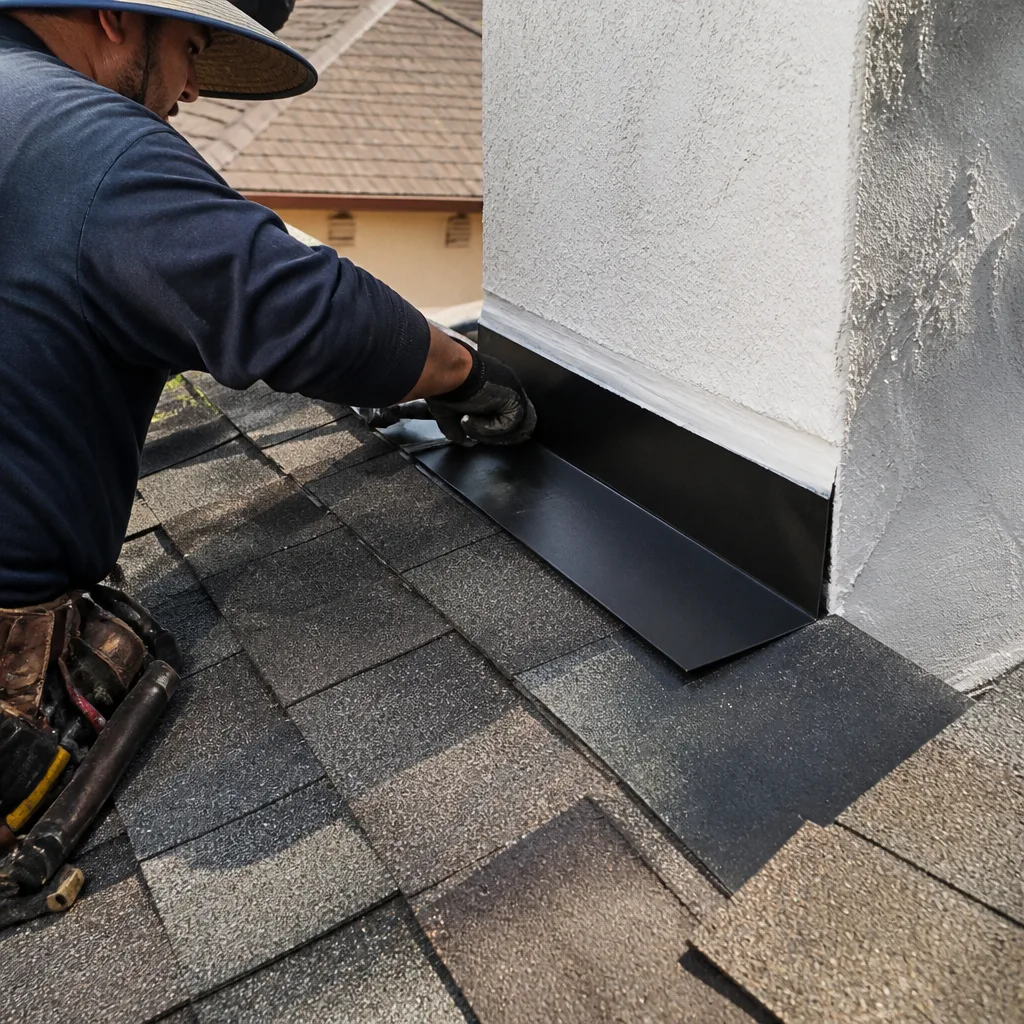 After
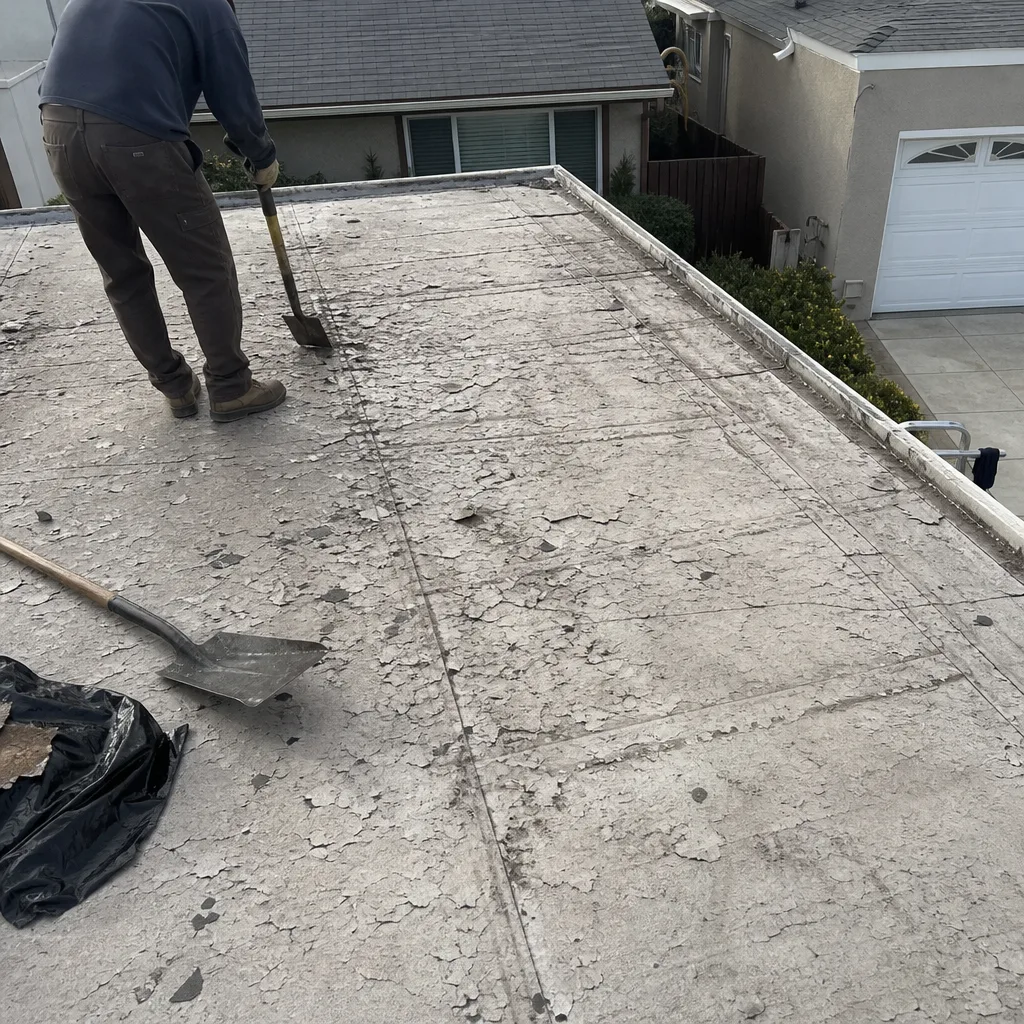 Before
 After