Last updated October 30, 2026
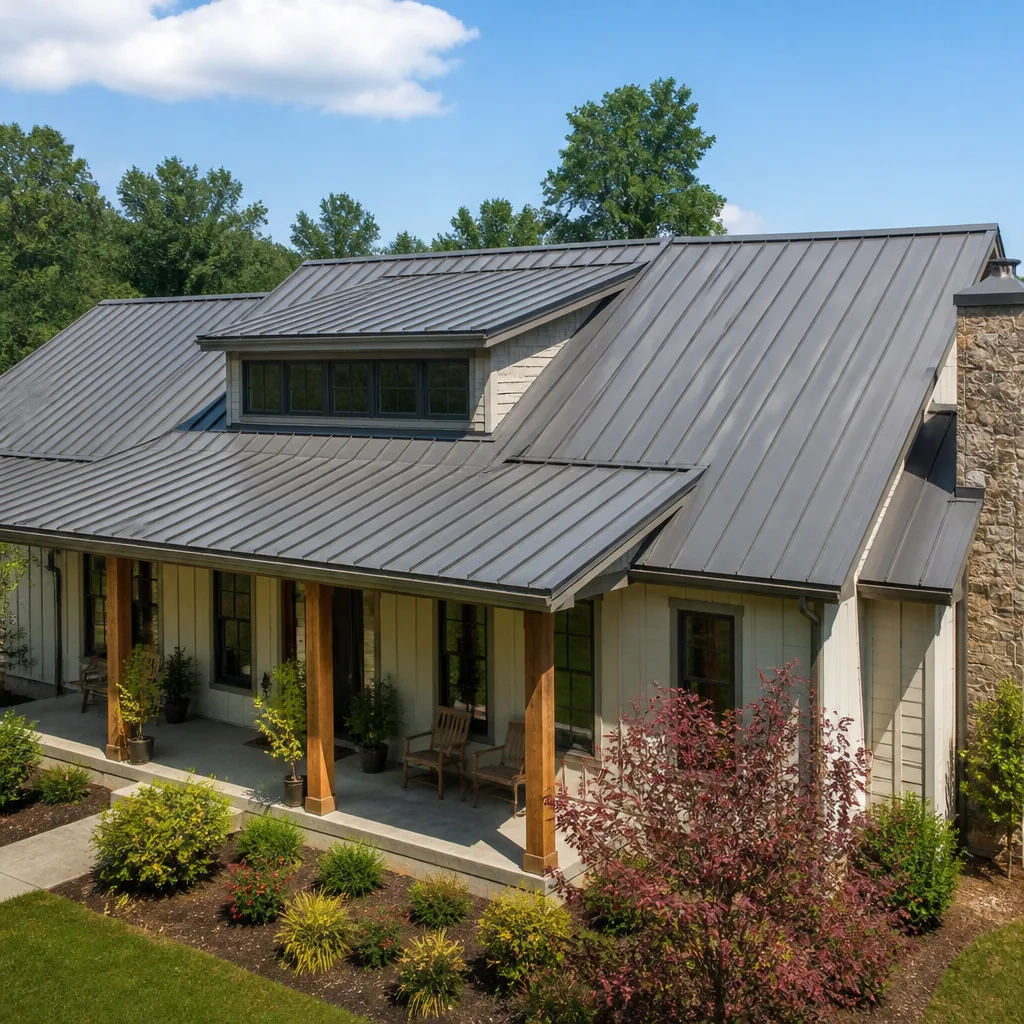 Metal roofing
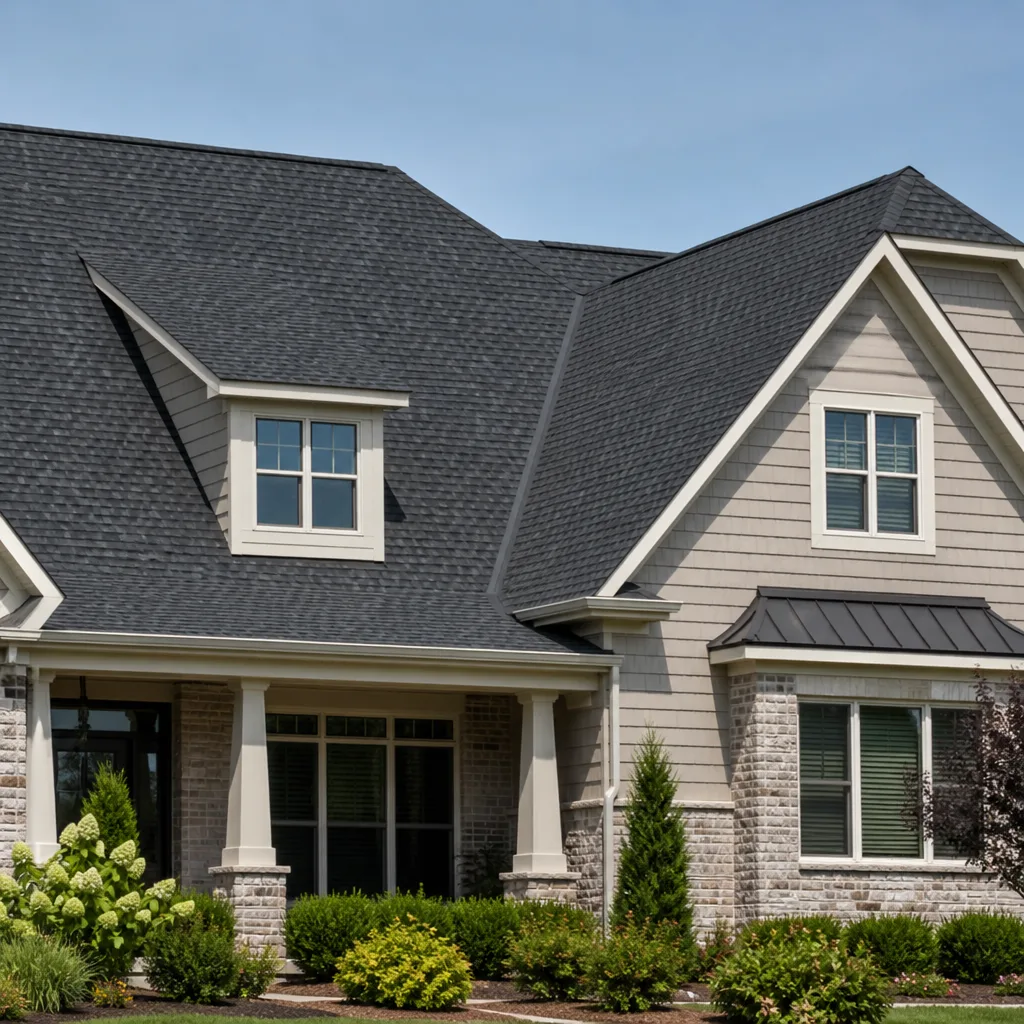 Architectural shingles
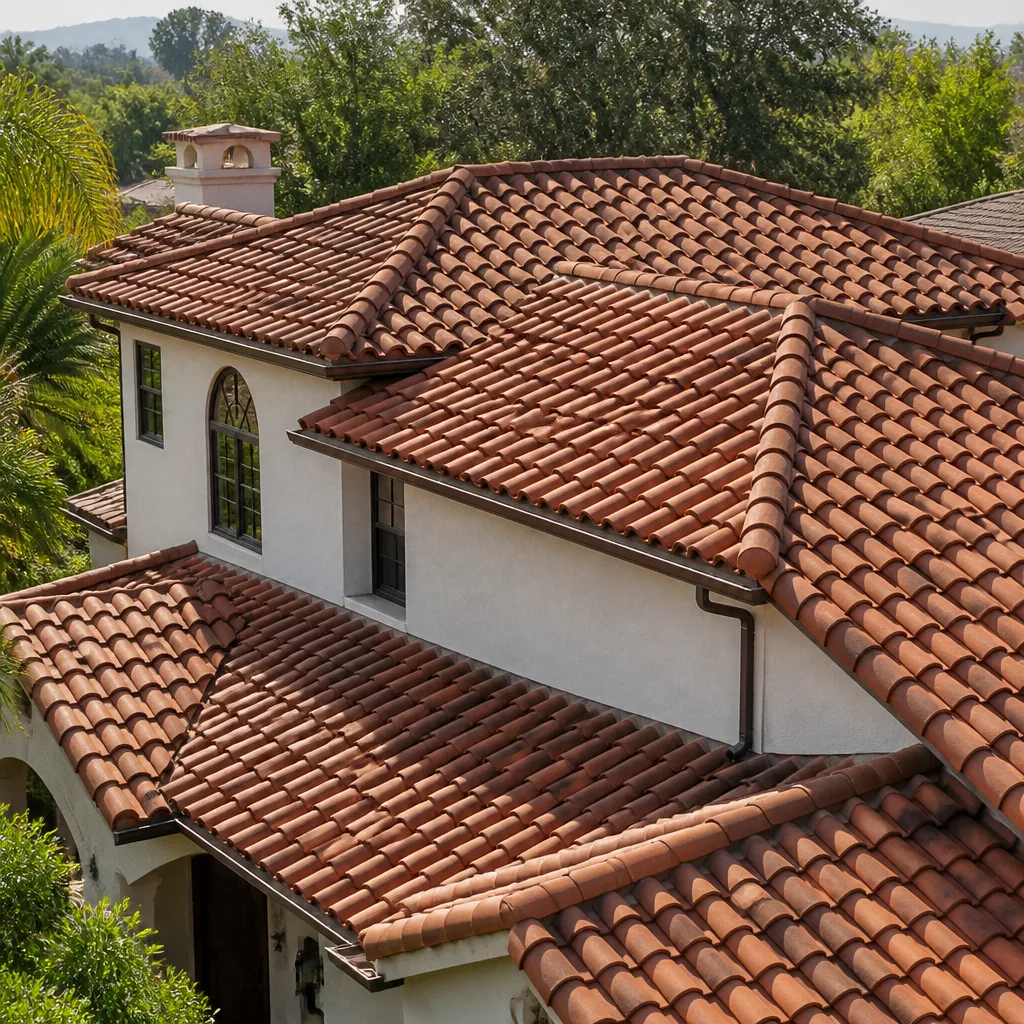 Tile roofing
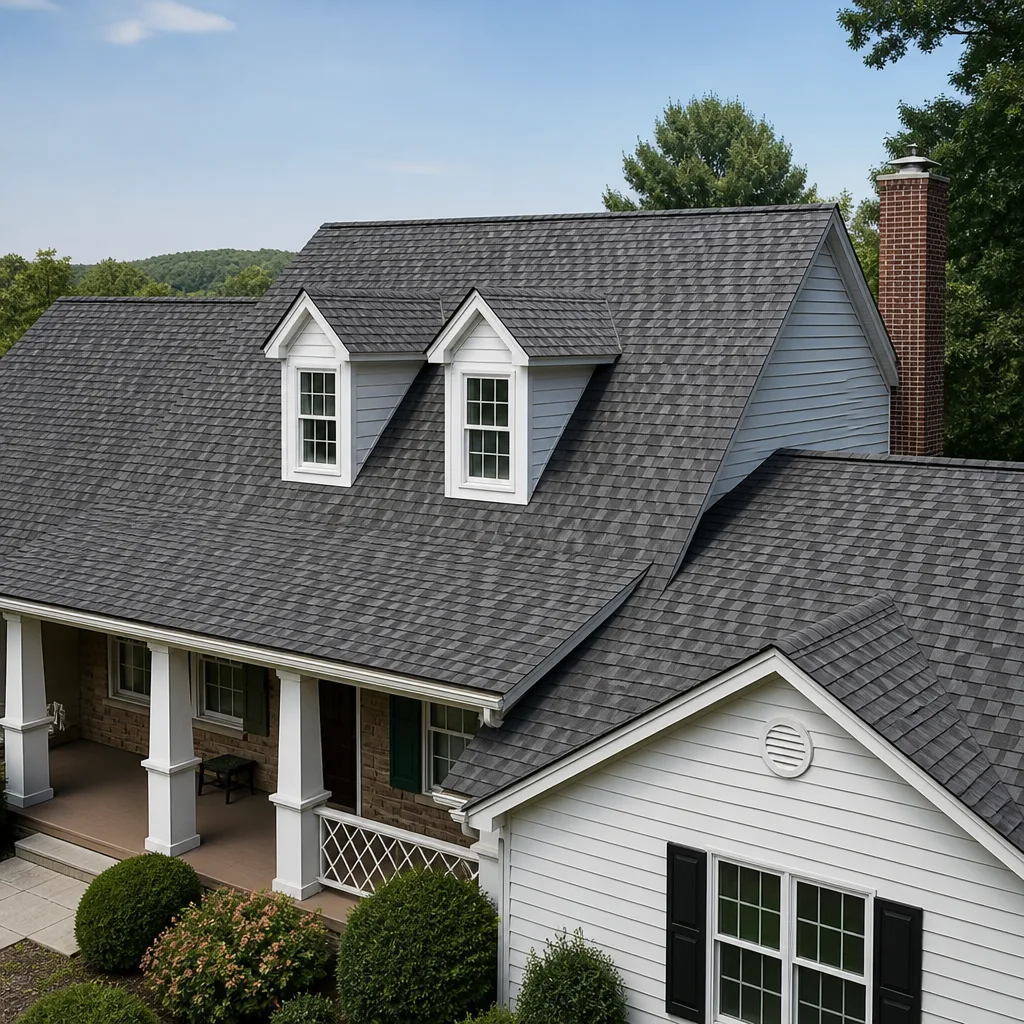 GAF
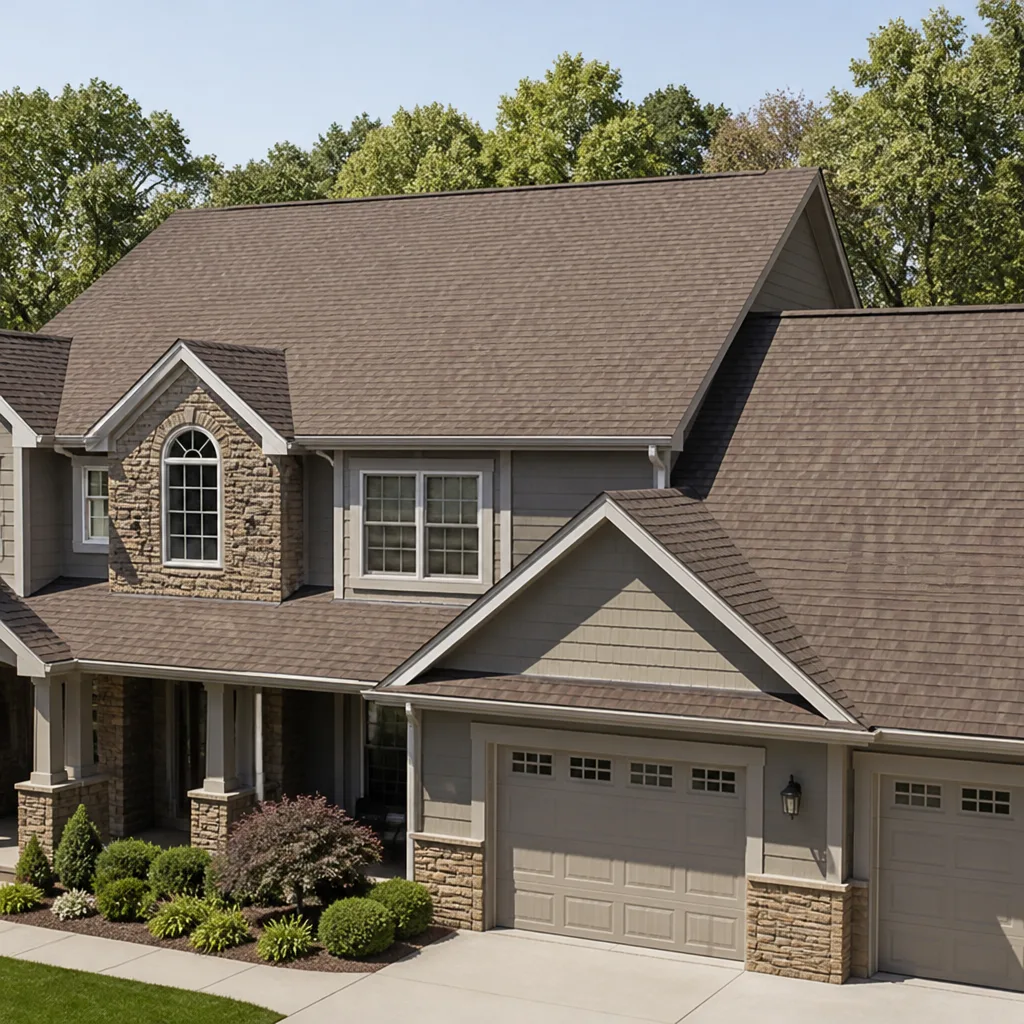 Owens Corning
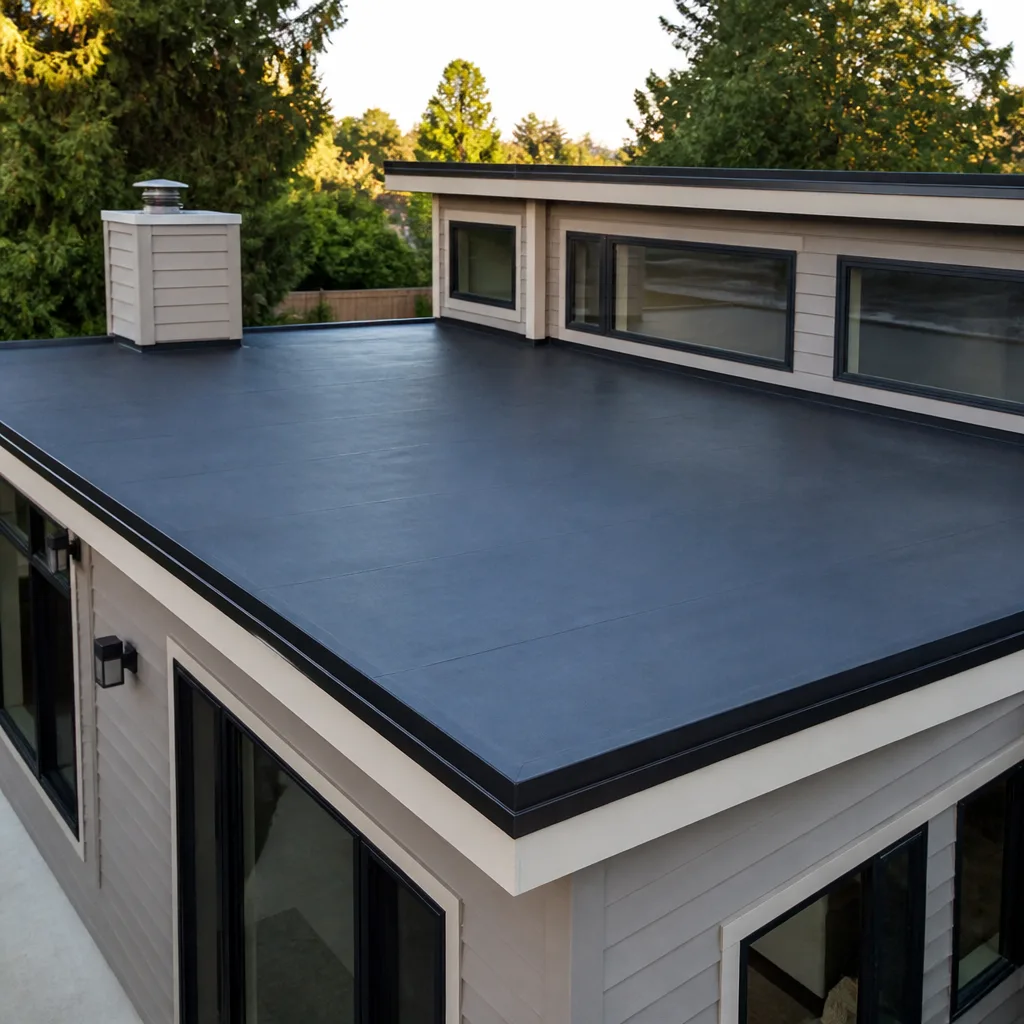 Flat & low-slope
Free roof inspection with deck photos before we talk money - GAF and Owens Corning certified installation
Choosing the Right Roofing Brand: A Buyer’s Guide for Fountain Valley
A 50-year architectural shingle warranty is written by the manufacturer and voided by more conditions than most homeowners read, including improper attic ventilation, a non-certified installer, and installation over existing shingles in certain product lines. The brand stamped on the wrapper matters far less than understanding what the warranty actually covers in your specific installation context in Fountain Valley. This guide separates brand marketing from the three functional criteria that determine whether a roof actually performs here: coastal UV and marine-moisture resistance, California Title 24 cool-roof compliance, and installer certification that keeps the warranty valid. For a deeper dive, see The Complete Guide to Roofing in Fountain Valley. You’ll leave knowing how to choose a roof system, not just a logo.
Styles & brands we work with
Quick Answer
The best roofing brand in Fountain Valley is the one that meets California Title 24 cool-roof requirements, resists the marine-layer moisture and UV exposure specific to coastal Orange County, and is installed by a contractor certified for that specific product line. For most Fountain Valley homes, that means comparing GAF, CertainTeed, Owens Corning, IKO, Atlas, Tamko, and Boral not on marketing claims but on SRI ratings, algae-resistance ratings, and impact-resistance classifications. We recommend choosing the contractor first and the brand second, because warranty validity depends on installer certification far more than on the name printed on the shingle.
Table of Contents
- The Three Factors That Actually Determine Roof Performance in Fountain Valley
- California Title 24 and SRI Ratings: What Fountain Valley Homeowners Must Know
- The Warranty Gap: Manufacturer Coverage vs. Workmanship Coverage
- Coastal Climate Performance: Algae, Marine Layer, and Santa Ana Wind Debris
- How to Verify Your Contractor Is Certified for the Brand They’re Selling
- Why Contractor-First Selection Beats Brand-First Selection
- A Practical Brand Comparison Framework for Fountain Valley Roofs
- Common Mistakes to Avoid
- When to Call a Professional
- Frequently Asked Questions
- The Bottom Line
The Three Factors That Actually Determine Roof Performance in Fountain Valley
Most roofing brand guides online are written by manufacturers or their dealers. They lead with warranty length, color selection, and curb appeal. None of those matter when a roof fails at year six because the wrong product went on a home three miles from the coast in Fountain Valley. We’ve watched this happen enough times to know the pattern.
Roofing brand selection in Fountain Valley is constrained by three factors most homeowners don’t know to ask about:
- Coastal UV and marine-moisture performance. Fountain Valley sits roughly five miles inland from Huntington Beach. That’s close enough for the marine layer to roll in most summer mornings, and far enough that the afternoon sun bakes roofs in dry heat. This combination of morning condensation and intense UV exposure is harder on roofing materials than either condition alone. Algae, granule loss, and sealant breakdown all accelerate here compared to true inland cities like Riverside.
- California Title 24 cool-roof compliance. Since 2014, any roof replacement in Fountain Valley must meet minimum Solar Reflectance Index (SRI) values under the state’s building energy code. Not every shingle from every brand qualifies. Some manufacturers bury compliant products in their mid-tier lines while marketing their premium lines as better, which creates confusion we’ll unpack below.
- Installer certification status. Every major manufacturer has tiered certification programs. The certification level of your contractor directly affects warranty registration, coverage duration, and what happens when a claim is filed. A roof installed by an uncertified contractor may carry a drastically reduced warranty or no manufacturer warranty at all. This is the single most overlooked factor in brand selection, and it has nothing to do with the brand’s marketing.
At Willowbrook Roof Repair, we work across seven major roofing brands: GAF, CertainTeed, Owens Corning, IKO, Atlas, Tamko, and Boral. That’s more brand coverage than most roofers who stock one or two lines, and it means our recommendations follow your roof’s specific condition, orientation, and exposure in Fountain Valley, not a supplier agreement. Our Roof Inspection in Fountain Valley service always starts with the roof itself before any brand conversation happens.
California Title 24 and SRI Ratings: What Fountain Valley Homeowners Must Know
California Title 24 Part 6 requires that residential roof replacements in Orange County, including all of Fountain Valley, use roofing products with an aged Solar Reflectance Index of at least 16 for steep-slope roofs and 20 for low-slope roofs. Aged SRI means the value measured after three years of weathering, not the initial reflectance that manufacturers print on product spec sheets. The difference between initial and aged SRI can be significant, and some products that pass when new fail by year three.
This matters because a non-compliant roof can fail inspection during a permitted replacement. In Fountain Valley, the city requires permits for roof replacements and inspections are performed as part of the process. A roof that doesn’t meet Title 24 minimums must be removed and redone, which is a five-figure mistake nobody wants to discover at the final inspection.
Here’s what to look for when evaluating a shingle brand’s SRI rating:
- Request the aged SRI, not the initial SRI. Manufacturers publish both. The aged value is the one that matters for compliance. If a contractor or supplier can’t provide it, walk away.
- Certain brands have compliant products outside their premium tier. CertainTeed’s Landmark line includes several colors with aged SRI values above 16, meaning you don’t need to pay for the top-tier Presidential Shake to meet code. GAF has Timberline HDZ colors that pass as well. Compliance isn’t a premium-tier feature.
- Tile products from Boral generally exceed Title 24 minimums comfortably. Concrete and clay tile have naturally high thermal mass and reflectance, which is one reason tile roofs remain popular in Fountain Valley’s older neighborhoods like the tracts around Mile Square Park.
- Darker shingle colors often fail Title 24. Dark brown, charcoal, and some blacks register aged SRI values below 16 in many product lines. If you love the look, you may need to look at modified bitumen or metal alternatives, or accept a lighter shingle color.
Our approach at Willowbrook Roof Repair is to run the numbers before you commit to a color. We’ve seen homeowners in Fountain Valley fall for a charcoal shingle display, only to learn at permit review that the product couldn’t be installed on their roof without violating Title 24. Ten minutes of checking aged SRI values prevents that conversation entirely.
The Warranty Gap: Manufacturer Coverage vs. Workmanship Coverage
A manufacturer’s “limited lifetime warranty” sounds comprehensive. In practice, it covers material defects under a shrinking set of conditions, and most of the failure modes that affect Fountain Valley roofs in years one through ten fall outside its scope. Here’s the distinction that matters:
Manufacturer’s limited lifetime warranty covers defects in the shingle itself. If the material fails because of a manufacturing flaw, the manufacturer provides prorated replacement material after an initial non-prorated period that varies by line. This is not a labor warranty, not a leak warranty, and not transferable at full value unless specific conditions are met. The fine print also excludes damage from wind above stated thresholds, hail below stated sizes, and installation practices the manufacturer didn’t authorize.
Contractor’s workmanship warranty covers installation errors. If the flashing was installed incorrectly, if the underlayment was lapped wrong, if nails were overdriven, if the valley was cut improperly, the contractor is responsible. In our experience, installation errors and weather-related damage account for the overwhelming majority of Fountain Valley roof failures in the first decade, not manufacturing defects. See The Complete Roof Repair Guide for Fountain Valley Homeowners for what to watch for. That makes the contractor’s warranty the one that actually matters for the failure modes you’re most likely to encounter.
Here’s the problem: most homeowners don’t ask about the contractor’s workmanship warranty until something leaks. By then, the contractor may be out of business or unwilling to honor a verbal promise. Before signing any contract for a Roof Replacement in Fountain Valley, get the workmanship warranty in writing with a specific term length, a clear scope of what’s covered, and a defined process for filing a claim.
We’ve also seen situations where a homeowner chose a brand specifically for its warranty length, then had the claim denied because the installing contractor wasn’t certified for that product line. The warranty was voided before the first shingle went down. That’s not a brand problem. It’s a contractor selection problem, and it’s entirely preventable.
Coastal Climate Performance: Algae, Marine Layer, and Santa Ana Wind Debris
Fountain Valley’s climate doesn’t match the inland desert conditions that many roofing products are optimized for. The marine layer that pushes in from the coast during summer mornings creates persistent surface moisture. That moisture feeds algae growth, which appears as dark streaking on north-facing roof planes and areas shaded by trees common in Fountain Valley neighborhoods like Greenbrook and Westmont.
Algae resistance is a real, measurable property. Most manufacturers incorporate copper or zinc granules into shingles to inhibit algae growth. The concentration and formulation vary by product line. CertainTeed’s StreakFighter line and GAF’s StainGuard protection are examples of algae-resistant technologies worth looking into for coastal-adjacent homes. Boral tile products are naturally less hospitable to algae than asphalt shingles, which is another point in tile’s favor for Fountain Valley’s climate.
Santa Ana winds are a separate concern. These dry, hot winds blow from the desert toward the coast, often with gusts strong enough to tear shingles and send tree branches into roofs. That’s where impact resistance becomes relevant. Shingles with a Class 4 impact rating (the highest level, tested to withstand a 2-inch steel ball dropped from 20 feet) provide the best resistance to wind-driven debris. IKO and Atlas both produce Class 4-rated asphalt shingle lines that don’t require a premium price point. If your Fountain Valley home has large eucalyptus or pine trees nearby, a Class 4 product is worth considering even if your street isn’t in an official wind zone.
One more factor: the combination of marine moisture and high heat accelerates granule loss on asphalt shingles. We see roofs in Fountain Valley that look ten years older than they are, simply because the morning dampness weakens the asphalt matrix and the afternoon UV degrades the binder. Selecting a shingle with higher granule retention, or a tile or metal product that doesn’t use granules at all, extends the roof’s functional life in this specific climate.
For roofs that have already sustained marine-layer or wind damage, our Roof Repair in Fountain Valley service addresses damaged sections before the problem spreads to the decking.
How to Verify Your Contractor Is Certified for the Brand They’re Selling
Manufacturer certification is not a marketing badge. It’s a legal and contractual relationship that determines whether the manufacturer will stand behind the product on your roof. An uncertified contractor can still buy shingles from a supply house and install them on your home. But when those shingles fail, the manufacturer’s warranty response ranges from reduced coverage to outright denial.
Here’s the step-by-step process to verify certification before you sign:
- Ask the contractor which certification levels they hold for the brand they’re recommending. Each manufacturer has a hierarchy. GAF has Certified, Select, and Premium tiers under its factory-certified program. CertainTeed has Credentialed and SELECT tiers. Owens Corning has Preferred and Platinum. The tier matters because it often determines whether the manufacturer’s warranty includes a workmanship component or extends labor coverage.
- Request the certification number or contractor ID, then verify it on the manufacturer’s website. Every major manufacturer has a contractor locator. If the contractor claims to be certified but doesn’t appear in the locator, that’s a red flag. Certification lapses can happen for failure to meet training requirements or volume thresholds.
- Ask whether the certification covers the specific product line being quoted. A contractor may be certified for a manufacturer’s basic architectural line but not for its premium designer shingles. The warranty registration process will catch this mismatch, but only after the roof is installed. Get confirmation in writing that the contractor’s certification extends to the exact product in your quote.
- Request that the warranty registration be completed and documented before final payment. Some manufacturers allow contractors to delay warranty registration. Don’t accept a promise. Insist on seeing the registration confirmation with your name and address on it. This also protects you if the contractor goes out of business between installation and the first claim.
At Willowbrook Roof Repair, we work across seven major roofing brands, including GAF, CertainTeed, Owens Corning, IKO, Atlas, Tamko, and Boral. That multi-brand coverage isn’t just about giving you options. It means we’re not financially or contractually tied to pushing one manufacturer’s product line, so when we recommend a system, the recommendation follows your roof’s condition and Fountain Valley’s climate, not a preferred-vendor arrangement.
Why Contractor-First Selection Beats Brand-First Selection
Most homeowners approach a roof replacement by researching brands first. They read manufacturer websites, compare shingle colors, and then search for a contractor who installs their chosen product. We’d argue this is backwards, and not just because we’re a contractor.
The logic goes like this: a roofing system is not a shingle. It’s an assembly of underlayment, ice and water shield (relevant for Fountain Valley’s occasional heavy rain), flashing, ventilation, and the outer material. The outer material is the visible and marketable component, but the system’s performance depends on how all the layers are integrated. The best shingle installed over the wrong underlayment or without adequate attic ventilation will fail early. The manufacturer’s warranty will likely point to those installation factors as the cause, leaving you without recourse.
Material-agnostic contractor selection flips the sequence. Start with a contractor who can diagnose your roof’s actual condition, explain what needs to happen, and then recommend a brand and product line that fits your budget and Fountain Valley’s climate. This approach works whether you’re comparing tile versus shingle versus metal, because the contractor’s recommendation follows the roof’s requirements, not a supply agreement.
Here’s what the contractor-first approach looks like in practice:
- Schedule an inspection with a contractor that works across multiple brands. Ask directly how many manufacturers they install. If the answer is one or two, you’re not getting a recommendation; you’re getting a sales pitch.
- Discuss the roof’s orientation, pitch, and existing ventilation. A south-facing roof in Fountain Valley gets far more direct UV than a north-facing one. Tile may make sense on one side of the house and shingles on another, though most homes use one system consistently.
- Ask what product the contractor would put on their own home in Fountain Valley, and why. This question often cuts through sales talk. If the answer changes depending on the roof, the contractor is thinking systemically.
- Compare the recommendation against Title 24 compliance and warranty registration requirements. Verify the certification status and the aged SRI rating. If both check out, you’ve got a defensible decision.
From a single damaged section to a full tear-off and replacement, one call covers the entire job when you work with a contractor that handles the full roof lifecycle. That’s the model we built at Willowbrook Roof Repair home: inspection, repair, and replacement under one roofing-only operation, so you don’t have to source a second company when a repair grows into a replacement.
A Practical Brand Comparison Framework for Fountain Valley Roofs
Rather than rank brands in a list, which would be misleading because the “right” brand depends on your roof and your priorities, here’s a decision framework we use when evaluating product lines for Fountain Valley homes. We’ll mention GAF, CertainTeed, and Boral as examples because they represent the range of what we install most often here, but the framework applies to any manufacturer.
GAF produces the Timberline line, a widely available architectural shingle with good algae protection in its HDZ line. Several Timberline HDZ colors meet Title 24 aged SRI minimums. GAF’s warranty coverage is tied to its contractor certification tiers, which is one more reason to verify installer certification before choosing this brand. For Fountain Valley homes with standard roof pitches and average sun exposure, GAF products are a solid workhorse option.
CertainTeed differentiates on product breadth, with lines spanning entry-level architectural shingles through designer styles that mimic cedar shake and slate. The Landmark line, as mentioned, includes Title 24-compliant colors at a mid-tier price point. CertainTeed’s algae-resistant technology is warranted for longer than most competitors, which matters in Fountain Valley’s marine-layer environment. For homeowners who want a premium look without moving to synthetic or natural slate, CertainTeed’s upper lines are worth a close look.
Boral is the outlier in this group because it manufactures concrete and clay tile, not asphalt shingles. Tile roofs are common in Fountain Valley’s older tracts, and Boral’s products generally exceed Title 24 requirements without special color selection. Tile’s thermal mass keeps attic temperatures more stable, which has real energy implications for Fountain Valley’s warm summers. The tradeoff is weight: tile requires a roof structure that can support it, which not every home has without reinforcement.
Here’s a practical comparison checklist for evaluating any brand against your Fountain Valley roof:
- Aged SRI rating above 16 for steep-slope (or above 20 for low-slope). Confirmed on the manufacturer’s published data sheet, not the contractor’s word.
- Algae-resistance warranty of at least 10 years, given Fountain Valley’s persistent marine-layer moisture. Longer is better.
- Class 4 impact resistance if your street has mature trees or you’re in a wind-prone pocket. Not necessary everywhere, but strongly advisable wherever Santa Ana wind debris is a recurring issue.
- Contractor certification status for the specific product line. Verified on the manufacturer’s website before contract signing.
- Warranty registration process and what documentation you’ll receive. Insist on written confirmation with your address on it.
Built around your roof, not a brand deal. That’s the whole framework in one sentence.
Common Mistakes to Avoid
- Choosing a brand based on warranty length alone. A 50-year warranty means nothing if the installation voids it. Verify installer certification and warranty registration before the first shingle is delivered. We see this mistake often enough in Fountain Valley that we bring it up on every quote.
- Ignoring Title 24 aged SRI values. Homeowners fall in love with a shingle color, then discover it can’t pass inspection. Check aged SRI on the manufacturer’s data sheet before committing to a color. This is a five-figure mistake to avoid.
- Assuming expensive premium lines are Title 24 compliant. Some premium designer shingles in dark colors fail aged SRI minimums while mid-tier lines in lighter colors pass. Price tier and code compliance don’t track together.
- Not asking about the contractor’s workmanship warranty. Manufacturer coverage handles material defects. Installation errors, which cause most early failures, are the contractor’s responsibility. Get that warranty in writing.
- Choosing a contractor who only installs one brand. That contractor isn’t recommending a product; they’re selling their inventory. A multi-brand contractor can actually compare options against your roof’s specific needs.
- Treating algae staining as purely cosmetic. In Fountain Valley’s marine-layer climate, algae growth signals retained moisture on the roof surface. That moisture accelerates granule loss and shortens the roof’s life. Algae-resistant products are a functional choice here, not an aesthetic one.
- Skipping the pre-purchase inspection. Some Fountain Valley homeowners get a replacement quote without a proper inspection of the decking and ventilation. The brand decision comes after the roof’s condition is understood, not before.
When to Call a Professional
A roof replacement is not a weekend project. Beyond the obvious safety concerns of working at height, the functional decisions (underlayment type, ventilation configuration, flashing details, Title 24 compliance, warranty registration) require training and experience that can’t be picked up from a video. If your Fountain Valley roof shows granule loss in gutters, visible algae streaking, curling shingle edges, or leaks around penetrations, it’s time for a professional inspection rather than another year of patching. The same applies after a significant Santa Ana wind event. Damage to the roof deck often isn’t visible from the ground, and waiting turns a repair into a replacement. Willowbrook Roof Repair offers free estimates in Fountain Valley. Call (866) 860-9404 to schedule yours.
Frequently Asked Questions
A full roof replacement in Fountain Valley typically ranges from $12,000 to $35,000 depending on the system chosen, with asphalt shingle replacements starting around $12,000 to $18,000 for an average single-story home, concrete tile running $25,000 to $45,000, and metal systems landing between $20,000 and $40,000. These figures exclude decking replacement or structural repairs discovered during tear-off. For an exact quote based on your roof’s measurements and condition, call (866) 860-9404. Estimates are free.
A 50-year shingle warranty covers manufacturing defects only, is prorated after an initial period, and requires installation by a manufacturer-certified contractor with proper attic ventilation and warranty registration completed within a set window after installation. In practice, most Fountain Valley roof failures in years one through ten are installation errors or weather-related damage, which fall outside manufacturer coverage and under the contractor’s workmanship warranty instead. Ask about both warranties before signing.
Title 24 cool-roof requirements apply to roof replacements and re-roofing projects that replace the entire roof surface, not to spot repairs that replace a few damaged shingles or tiles. If a repair grows into a full replacement, the replacement must meet aged SRI minimums regardless of what was on the roof before. Our Roof Inspection in Fountain Valley service evaluates whether a repair can stay a repair or if a full Title 24-compliant replacement is required.
You can install any brand that meets Title 24 aged SRI minimums and is appropriate for your roof’s pitch and structure, but warranty coverage depends on installer certification for that specific brand and product line. Installing a brand through an uncertified contractor may leave you with no manufacturer warranty at all, even if the shingles were purchased legitimately. Verify certification before the contract is signed.
Tile roofs perform well in Fountain Valley’s coastal-adjacent climate because tile doesn’t support algae growth the way asphalt shingles do, and its thermal mass moderates attic temperatures during hot inland summers. Boral’s concrete and clay tile lines generally exceed Title 24 requirements without special color selection. The constraint is structural: tile weighs significantly more than shingles, so your roof framing must be evaluated for load capacity before choosing tile.
Most asphalt shingle replacements in Fountain Valley can be completed in two to four days depending on roof size, pitch, and whether decking repairs are needed. Tile replacements typically take five to ten days because tile installation is slower than shingle installation and often includes underlayment replacement. Weather delays from morning marine-layer dampness can extend timelines, which is something to plan for when scheduling.
The Bottom Line
Roofing brand selection in Fountain Valley is not a contest between logos. It’s a decision about SRI compliance, coastal climate performance, and installer certification. The most expensive shingle installed by an uncertified contractor is a liability. A mid-tier shingle with verified Title 24 compliance, algae resistance suited to the marine layer, and installation by a contractor certified for that product line will outperform it every time. We work across seven major roofing brands because that’s what an honest recommendation requires. Roofing is the only thing we do, and we do it across the full range of leading manufacturers. Start with an inspection. You’ll know exactly what needs to be done, and why, before any work begins. Browse more guides & resources to continue your research. Call (866) 860-9404 to schedule your free estimate in Fountain Valley.
Written by the team at Willowbrook Roof Repair, serving Fountain Valley since 2012.
See the difference
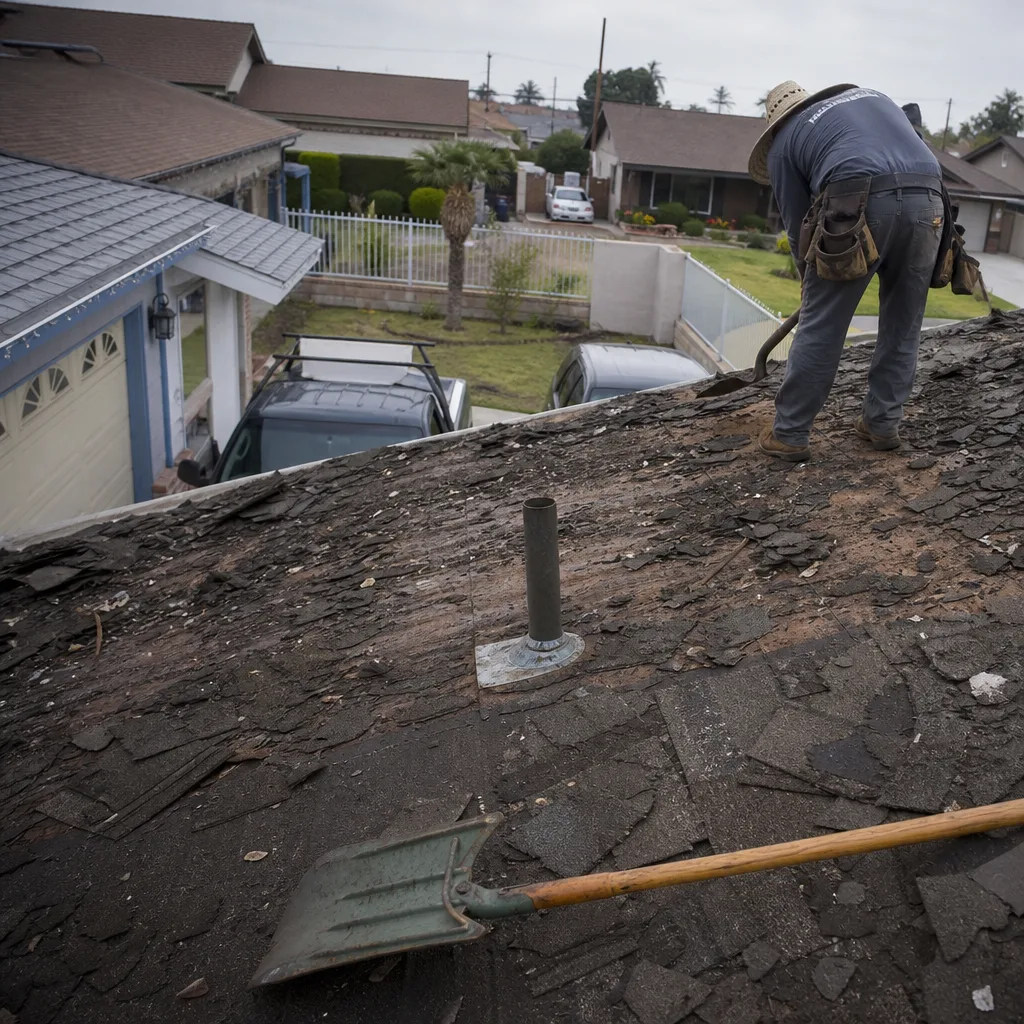 Before
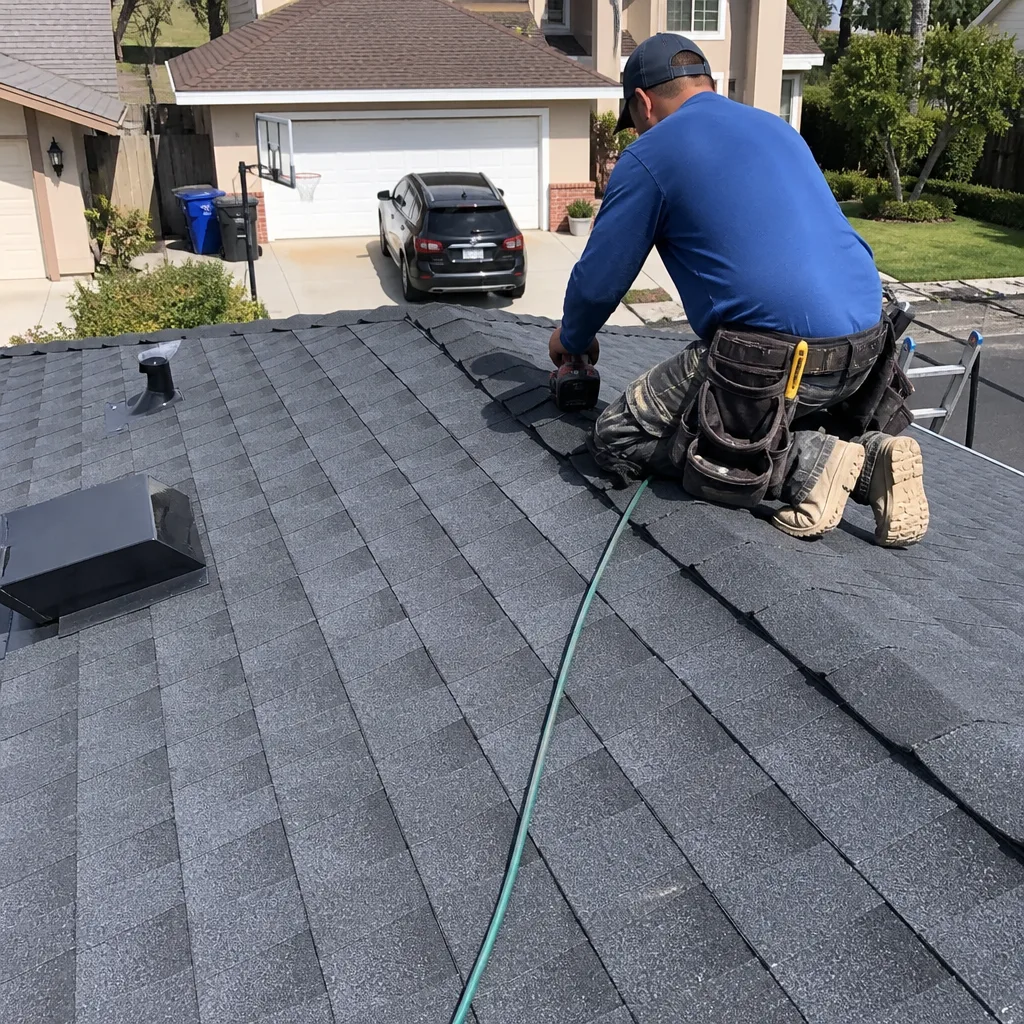 After
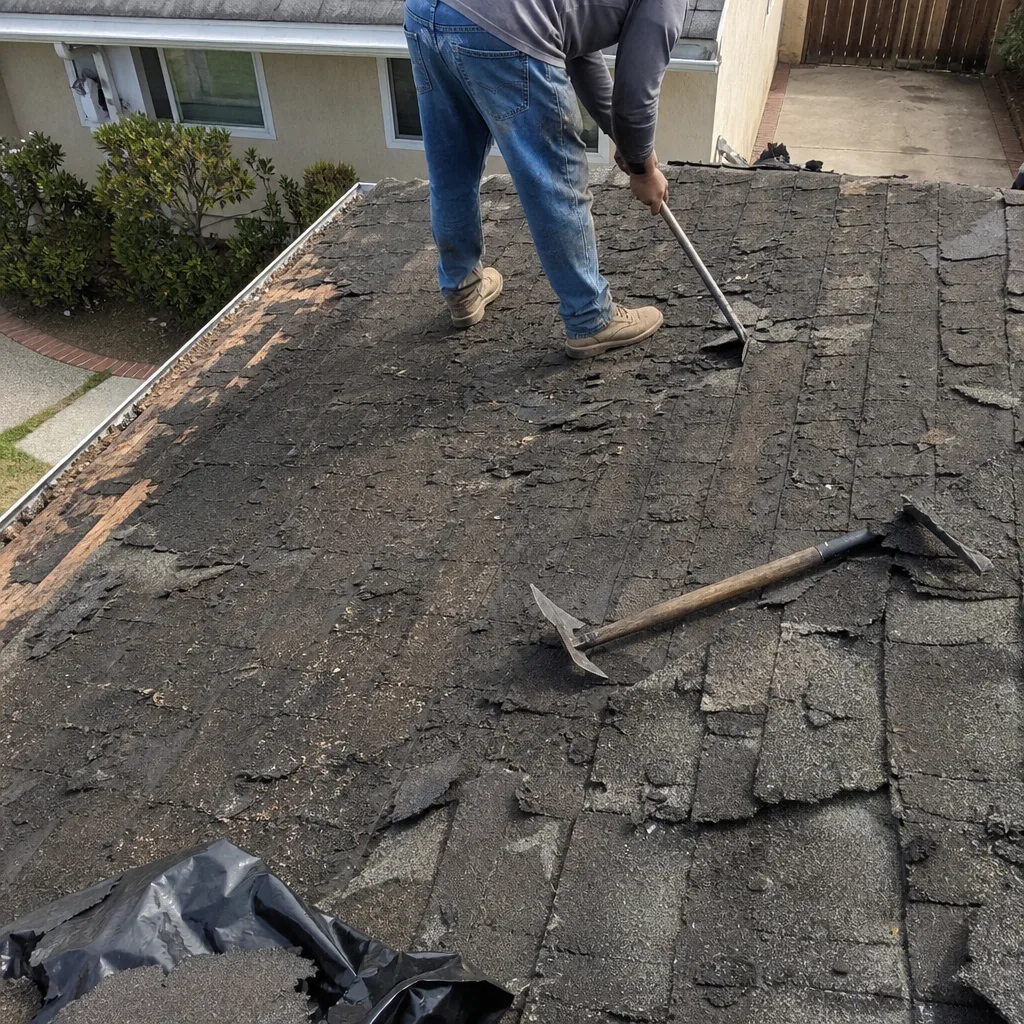 Before
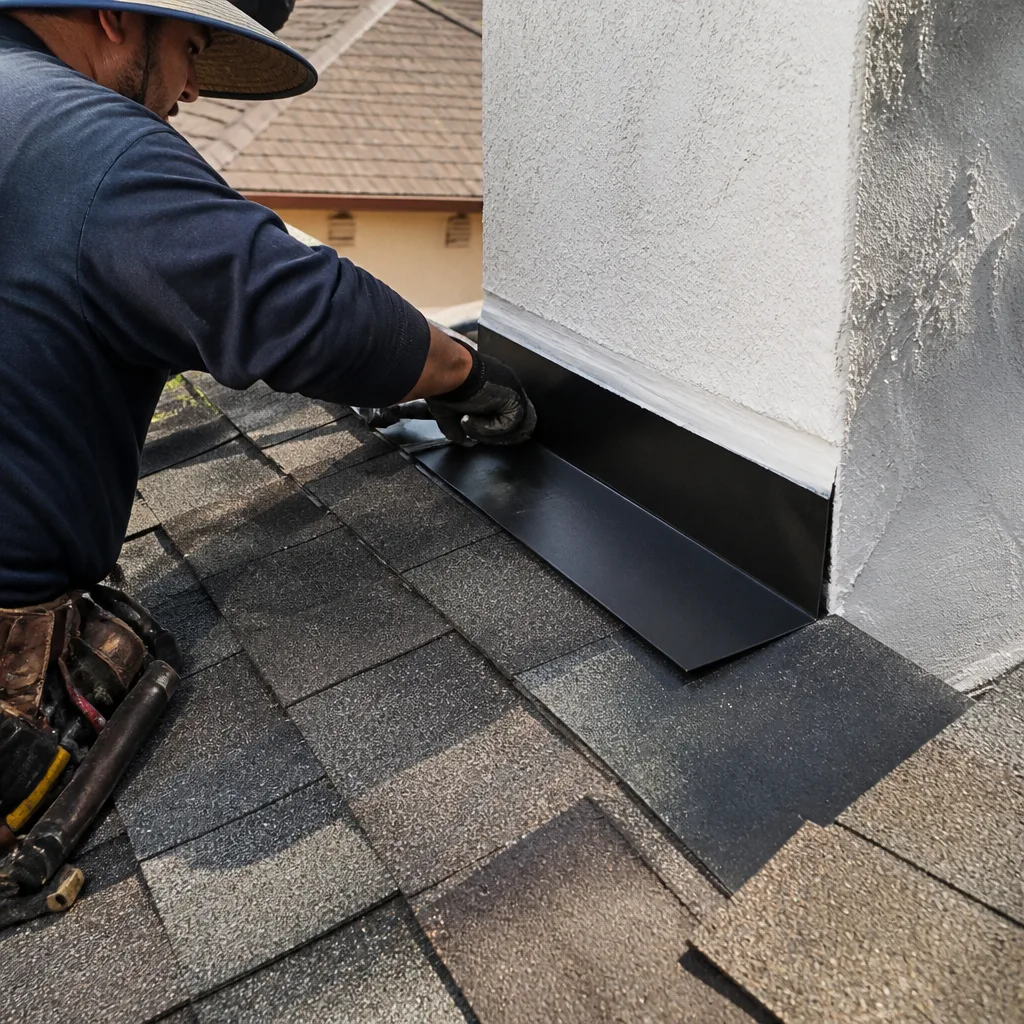 After
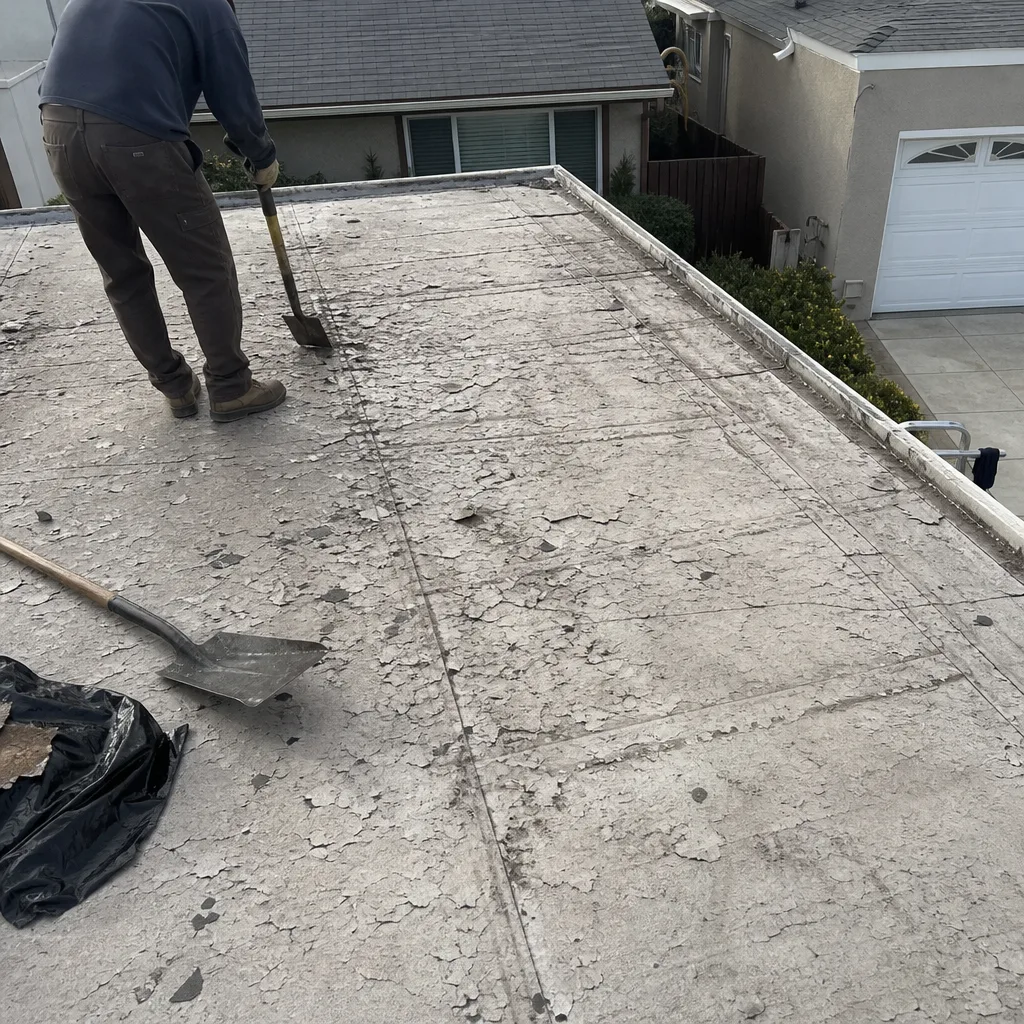 Before
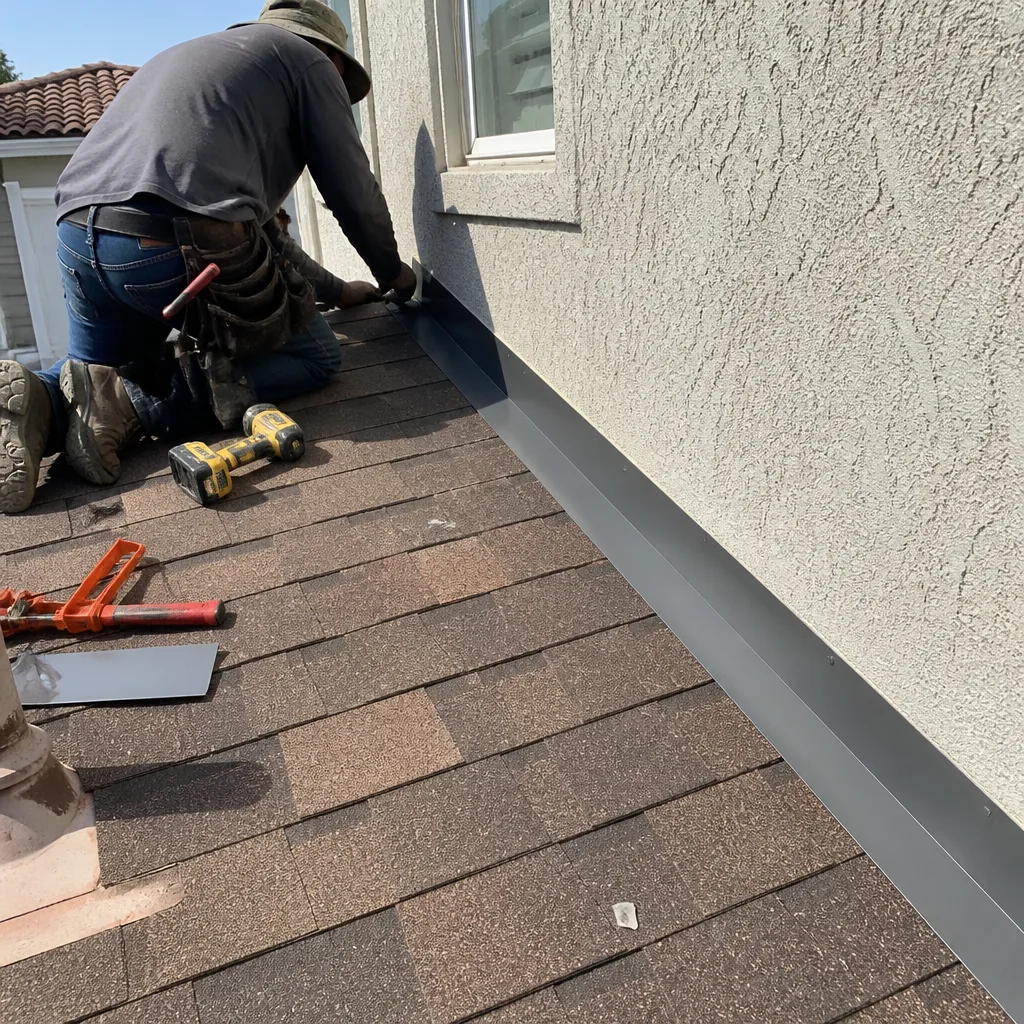 After