
Last updated October 30, 2026
 Metal roofing
 Architectural shingles
 Tile roofing
 GAF
 Owens Corning
 Flat & low-slope
Free roof inspection with deck photos before we talk money - GAF and Owens Corning certified installation
Roofing Emergency Preparedness Guide for Fountain Valley Homes
Most Fountain Valley homeowners discover their roof has a serious problem at 11 p.m. during the first October rainstorm, at which point every decision they make is reactive, expensive, and made under pressure. The preparation that prevents that scenario takes about two hours and costs nothing. This guide walks through the three emergency scenarios Fountain Valley actually faces: first hard rain on a marginal roof, Santa Ana wind damage, and tree-limb impacts from mature street trees. You’ll learn what to document now, what to keep on hand, how insurance responds, and how to vet a contractor when the clock is ticking.
Quick Answer
The best roofing emergency preparedness for Fountain Valley homes comes down to three steps before any trouble starts: document your roof’s current condition with dated photos, identify and vet a licensed roofing contractor in advance, and complete a pre-October checklist covering ridge caps, pipe boot seals, and tree overhang. When an emergency does hit, know that sudden wind damage is typically covered under standard HO-3 insurance while long-term wear is not. Having a pre-identified contractor like Willowbrook Roof Repair home on your phone list removes the riskiest decision from the crisis: choosing someone you don’t know at a moment when you can’t afford to guess.
Styles & brands we work with
Table of Contents
- Documenting Your Roof’s Current Condition
- The Three Emergency Scenarios Fountain Valley Actually Faces
- Temporary Tarping: What Actually Works
- What Insurance Covers (and What It Doesn’t)
- Vetting an Emergency Contractor in Under Five Minutes
- The Pre-Santa Ana Season Checklist
- Common Mistakes to Avoid
- When to Call a Professional
- Frequently Asked Questions
Documenting Your Roof’s Current Condition
No emergency contractor can assess damage accurately without knowing what your roof looked like before the event. In Fountain Valley, where many homes were built in the 1960s and 1970s and a large share of roofs are within five years of their functional lifespan, pre-existing wear is common. That’s fine. What you need is a record that separates old wear from new damage.
Create a simple photo record now. You will need ten minutes and a phone camera. Walk the perimeter of your home and photograph the roof surface from at least four angles: front left, front right, back left, back right. If you can safely access a second-story window that overlooks the roof, take close-up shots of the ridge line, the pipe boot flashings, and the valleys where two roof planes meet. Store these in a dedicated folder on your phone or cloud drive with the date in the file name.
Along with the photos, write down three things in a note on your phone:
- Roof material and estimated age. If you don’t know the exact age, your home’s original construction year plus any visible patchwork tells a story. Are there two shingle colors? Different granule textures? Those indicate partial repairs at different times.
- Known repair history. If a section was patched in 2019 or a chimney flashing was resealed in 2021, write that down. This matters because an emergency contractor arriving at midnight cannot see repair history beneath the surface, but you can tell them.
- Insurance policy number and claims history. Keep your HO-3 policy number and the insurer’s 24-hour claims line stored in the same note. When a tree limb goes through your roof at 2 a.m., you do not want to be hunting for a paper policy.
This documentation also serves a second purpose. When you call a Roof Inspection in Fountain Valley contractor for a pre-season assessment, you have a baseline to compare year over year. Granule loss shows up clearly in side-by-side photos. A shingle that lifted slightly between June and September is more visible with reference images than without.
The Three Emergency Scenarios Fountain Valley Actually Faces
Fountain Valley does not get hurricanes, tornadoes, or three feet of snow. What we get is a predictable set of conditions that produce most local roofing emergencies. Knowing these three scenarios in advance changes how you prepare.
Scenario 1: First Hard Rain on a Marginal Roof
The first significant October or November rain after seven months of dry weather is the single most common trigger for roofing emergency calls in Fountain Valley. Here is why: Southern California’s long dry season lets small breaches develop without consequence. Cracks in pipe boot rubber widen in heat. Flashing seals dry and separate. Granule loss reduces the water-shedding surface. None of this matters until water actually hits the roof. Then a pinhole leak that developed in July becomes visible water staining on the ceiling during the first hard rain.
The lesson is not that you should panic about your roof every October. The lesson is that if your roof is past year 15 of a typical composition shingle lifespan, or past year 10 if it’s a lower-grade product, the first hard rain is a test you want to take before it happens. A pre-season inspection is the difference between catching a failing pipe boot seal for $300 and dealing with a saturated ceiling, drywall repair, and mold remediation after the fact.
Scenario 2: Santa Ana Wind Stripping Ridge Caps
Santa Ana winds in Fountain Valley typically peak between October and February, with gusts that routinely exceed 40 mph and occasionally reach 60 mph in exposed areas. The wind direction matters. Ridge caps, the shingle pieces running along the roof peak, take the brunt of wind from the northeast. When they lift, the underlayment beneath becomes exposed, and the next rain has a direct path into the attic.
We see a specific pattern every Santa Ana season: ridge caps at the east and northeast edges of roofs are the first to go. If your home sits on a street with an open exposure to the northeast, whether that’s near the Santa Ana River channel or on a corner lot with no mature tree cover, your ridge caps see more wind stress than your neighbor’s home a block over. The checklist section later in this guide covers exactly how to check ridge cap condition from the ground.
Scenario 3: Tree-Limb Impacts from Mature Street Trees
Fountain Valley has one of the most established urban tree canopies in Orange County. Many streets are lined with mature liquidambar, camphor, and magnolia trees planted decades ago. These trees provide genuine shade benefits, but they also produce a specific roofing risk: impact damage when limbs drop during wind events or when weight from rain-soaked foliage causes a weak branch to fail.
A falling limb can do three types of damage: puncture the roof deck, crack or displace tiles or shingles, or create a dent that becomes a water-pooling point over time. The first two are obvious emergencies. The third is less obvious but can be more expensive over the long term because the damage looks cosmetic while quietly degrading the roof surface.
The preparation for this scenario is straightforward. Identify every tree within fifteen feet of your roofline. If any limb overhangs the roof surface, note its diameter and condition. Dead wood with no foliage is the highest risk. A limb thicker than four inches in diameter that overhangs the ridge line is a call to a licensed arborist, not a wait-and-see situation.
Temporary Tarping: What Actually Works
When a roof breach is actively letting water in, a tarp is the standard temporary measure. The problem is that most homeowner tarping jobs fail, and a failing tarp creates more water damage than no tarp at all because it channels water into concentrated streams.
Here is what effective tarping actually requires:
- Tarp size must exceed the damaged area by at least four feet on every side. A six-by-eight foot tarp over a two-foot hole is not enough. The tarp needs to extend from the eave, up over the ridge line, and down the other side by at least two feet. For most single-family homes in Fountain Valley with a standard 4:12 pitch, that means a tarp at least 12 feet by 16 feet for a ridge breach, larger for wide damage zones.
- The tarp must wrap over the ridge, not just cover the damage. If the tarp stops short of the peak, water running down from above slides underneath it. The only geometrically sound way to tarp a sloped roof breach is to cover the entire section from peak to eave, with the tarp anchored on both sides of the ridge.
- Anchor points must be screwed into solid roof decking, not just weighted down. Bricks, sandbags, and two-by-fours placed on top of a tarp will fail in the first wind gust. The tarp edges need to be secured with furring strips screwed through the tarp and into the roof deck. This means drilling into the roof surface, which is why tarping is temporary and must be followed by a professional repair.
- Never walk on a damaged roof to tarp it. If the breach is from a limb impact, the decking around it may be compromised. A person stepping on weakened decking can fall through. This is the point where calling a professional is the only safe option. The cost of an emergency tarp from a roofing contractor in Fountain Valley is less than the cost of an emergency room visit from a fall.
One error that causes ongoing water damage: using a blue general-purpose tarp instead of a heavy-duty woven polyethylene tarp with reinforced corner grommets. The thin blue tarps from hardware store sale bins tear within days. A proper emergency tarp rated at 10 mil thickness or higher costs more but holds through a week of wind and rain until permanent repair can be scheduled.
What Insurance Covers (and What It Doesn’t)
Standard HO-3 homeowner’s insurance in Fountain Valley covers sudden and accidental roof damage from specific named events. The distinction between what is covered and what is not comes down to one word: sudden.
Typically Covered Under HO-3
- Wind damage. Santa Ana wind that rips shingles or ridge caps off the roof is generally covered if the damage is documented and reported promptly. Most policies cover wind as a named peril.
- Falling objects. A tree limb that falls through the roof is covered under the falling objects peril, including the cost of removing the limb from the structure and repairing the breach.
- Fire and smoke damage. Less common as a roofing emergency specifically, but roof damage from a neighboring structure fire is generally covered.
- Hail damage. Hail is rare in Fountain Valley but does occur occasionally in Orange County. Most HO-3 policies include hail as a covered peril. The key is documenting hailstone size and date, because insurers will cross-check weather records.
Typically Excluded Under HO-3
- Long-term wear and tear. A roof that has reached the end of its material lifespan and leaks during a normal rainstorm is a maintenance issue, not an insured event. This is the most common coverage denial we hear about from Fountain Valley homeowners.
- Gradual water intrusion. A slow leak that has been seeping into the attic for months is typically excluded because the damage did not occur suddenly.
- Flood damage. Rising water from overflowing streets or the Santa Ana River channel is not covered under HO-3. Flood insurance is a separate policy through the NFIP or a private carrier.
- Neglect or deferred maintenance. If an insurer determines that a reasonably attentive homeowner would have noticed and fixed the problem before the emergency, the claim can be denied.
The practical implication for Fountain Valley homeowners: if your roof is older than 15 years and you have not had a professional inspection in the past two years, you are in the risk zone where an emergency becomes a denied claim. A documented annual Roof Inspection in Fountain Valley creates a paper trail showing you maintained the roof, which strengthens your position if a borderline claim arises.
Vetting an Emergency Contractor in Under Five Minutes
Storm-chasing contractors show up in Fountain Valley after every major wind event. They knock on doors with a ladder and a story about seeing damage from the street. Some are legitimate. Some are not. The problem is that in an emergency, homeowners make decisions in minutes that they would normally take weeks to evaluate.
The California State License Board provides two checks that take less than five minutes combined and eliminate most bad actors:
- Verify the license status on the CSLB website or by phone. Go to cslb.ca.gov and enter the contractor’s license number. The license must be active, the classification must include C-39 (Roofing), and the license must not have a suspension or revocation flag. Any contractor who cannot produce a license number on the spot, or whose license shows inactive status, is disqualified. There is no exception for emergencies.
- Verify workers’ compensation coverage. For any roofer with employees, workers’ comp insurance is mandatory in California. If a contractor’s workers’ comp carrier has lapsed, and a worker is injured on your Fountain Valley property, you can be named in the claim. The CSLB license record shows current workers’ comp status. If the contractor is a sole proprietor with no employees, they may file for exemption, which should appear on the record.
Beyond the two CSLB checks, two red flags are immediate disqualifiers in an emergency. First, any contractor asking for full payment upfront before work begins. A 10 to 20 percent deposit is normal. Full payment before a tarp goes on is a signal the contractor does not intend to complete the work. Second, any contractor claiming your insurance supplement “can be worked out later” without a written scope of work. Get the scope in writing before any payment changes hands.
We recommend identifying and vetting a licensed Fountain Valley roofing contractor before the emergency happens. Having the number saved in your phone with the note “roof emergency, licensed, verified” removes the highest-risk decision from the crisis. You are not choosing under pressure; you are calling someone you already evaluated.
The Pre-Santa Ana Season Checklist
October is the right month for this checklist in Fountain Valley. The first Santa Ana wind event of the season typically arrives between mid-October and early November, and the first hard rain follows within weeks. Completing this checklist in late September or early October catches most roof failures before they become emergency calls.
The Three Critical Points to Check
1. Ridge cap mortar and shingle adhesion. From ground level with binoculars, or from a second-story window, inspect the ridge cap along the roof peak. Look for missing pieces, lifted edges, or visible gaps where the cap meets the field shingles. On tile roofs, check for cracked or sliding tile at the peak. On composition roofs, look for shingle tabs that are curling or missing granules. Ridge caps are the first thing to fail in Santa Ana winds because they sit at the highest point of the roof with full wind exposure.
2. Pipe boot seals. Every plumbing vent pipe that penetrates your roof has a rubber boot at its base. In Fountain Valley’s sun, these boots dry out, crack, and separate from the pipe within about ten years on average. A cracked boot lets water run directly down the outside of the pipe and into the attic, often far from the visible stain on the ceiling because the water travels along the pipe and drips at a joint. Check the boots for visible cracks, brittleness, or gaps. This is a $30 part that causes thousands of dollars in damage when it fails during a rainstorm.
3. Tree overhang clearance. Walk your roofline and identify any limb within five feet of the roof surface. In Fountain Valley, liquidambar trees on city easements are a common source of overhanging limbs. While you may not be able to trim a city-owned tree without a permit, you can document the overhang and contact the city’s public works department with a specific concern. For privately owned trees, have limbs over the roof trimmed by a licensed arborist before the wind season starts.
The Complete Pre-October Inspection Sequence
- Clear debris from valley angles where roof planes meet. Leaves and twigs trap water against shingles and accelerate granule loss.
- Inspect all flashing points: chimney bases, skylight curbs, and any roof penetration. Look for separated sealant and rust.
- Check attic ventilation from inside the attic. Blocked vents trap heat and moisture, which degrade roofing materials from underneath.
- Verify no roof fasteners are backing out. On metal roofs, look for raised screws; on tile roofs, listen for rattling tiles in wind that indicate loose attachment.
- Document everything with dated photos for your roof condition record.
If any of these checks reveals a problem, the fix now is almost always cheaper than the emergency later. A pipe boot replacement or a ridge cap reseal costs a few hundred dollars. The same failure during the first hard rain becomes a ceiling repair, insulation replacement, and potential mold issue.
Common Mistakes to Avoid
- Waiting for a leak to appear before addressing roof condition. By the time water stains the ceiling, the breach has existed for days or weeks and the damage is already spreading. Fountain Valley’s long dry season masks roof failures until rain exposes them all at once.
- Using a general handyman for roof repair. California requires a C-39 roofing license for any roofing work over $500. Handymen without this license are not legally authorized to perform most roofing repairs, and their work may not be insurable.
- Assuming insurance will cover an old roof. Most HO-3 policies in Fountain Valley deny claims when the roof has exceeded its expected lifespan or shows evidence of deferred maintenance. Waiting until the failure to file a claim often means no coverage at all.
- Placing a tarp over a damaged section without anchoring it to the roof deck. Unsecured tarps blow off in the first wind gust and channel water into concentrated streams that worsen ceiling damage.
- Ignoring tree overhang until a limb drops. Mature street trees in Fountain Valley are a significant asset, but overhanging limbs are a roof liability that compounds with every year of growth.
- Choosing a contractor based on the lowest emergency quote. Storm-chasing contractors with low quotes often disappear after the first payment or perform substandard work that fails in the next rain event.
- Skipping the follow-up inspection after a temporary repair. A tarp is not a permanent solution. If you never schedule the permanent repair, the tarp degrades, the leak returns, and the damage compounds.
When to Call a Professional
Some situations are safe to assess and document yourself. Others require a licensed roofer immediately. Call a professional if: a tree limb has punctured the roof deck; water is actively entering the home at a rate of more than a slow drip; the damaged section is on a steep pitch or near the edge where a fall risk is present; or the roof is tile and you are unsure whether cracked tiles indicate structural damage underneath. Roof Repair in Fountain Valley does not need to wait until a full tear-off is necessary. We work across seven major roofing brands, so the material on your existing roof determines our repair approach, not what we stock. Willowbrook Roof Repair offers free estimates in Fountain Valley. Call (866) 860-9404.
Frequently Asked Questions
Emergency roof repair in Fountain Valley typically ranges from $300 to $900 for minor issues like a replaced pipe boot or resealed flashing, while more extensive emergency repairs including tarping and structural patching run between $800 and $2,500 depending on the size of the breach and roof material. The cost difference between a pre-season fix and an emergency repair is often two to three times. Call (866) 860-9404 for a free estimate on any roof repair in Fountain Valley before it becomes urgent.
You should only tarp your own roof if you can do so from the ground or from a secure ladder without stepping onto the damaged section, and only if the roof pitch is walkable. If the damage involves structural compromise from a falling limb, do not get on the roof. In our experience in Fountain Valley, most emergency tarping is safer when handled by a licensed roofer with fall protection equipment. Call (866) 860-9404 and we can assess the situation.
Standard HO-3 policies in Fountain Valley generally cover sudden wind damage, including ridge caps and shingles stripped by Santa Ana gusts, as long as the damage is reported promptly and the roof was not already failing from age or neglect. Document the damage with photos and contact your insurer within a day or two. Call (866) 860-9404 for a free damage assessment to support your claim.
A residential roof inspection in Fountain Valley typically takes 45 to 90 minutes depending on roof size, material, and accessibility. We inspect the roof surface, flashing points, ventilation, and interior attic condition. Roof Inspection in Fountain Valley is a separate core service at Willowbrook, and the written report gives you the documented condition record this guide recommends for emergency preparedness. Schedule by calling (866) 860-9404.
A Fountain Valley roof needs replacement when granule loss is widespread across the roof surface, shingle edges are curling throughout multiple sections, the roof is past year 20 for standard composition shingles, or multiple leaks have occurred in different areas. When repairs accumulate to more than roughly 30 percent of the roof surface, Roof Replacement in Fountain Valley becomes the more cost-effective decision. We work across seven major manufacturers including GAF, CertainTeed, and Owens Corning, so our recommendation follows your roof’s condition rather than a brand deal. Call (866) 860-9404 for an honest assessment.
After. A licensed roofer’s documented damage assessment strengthens your insurance claim and gives the adjuster a professional baseline to work from. Filing a claim first, without a roofer’s report, often leads to an adjuster undervaluing the damage. We recommend having the inspection done first, then filing with photos and a written scope. Call (866) 860-9404 and we will help you through the process.
The Bottom Line
Roofing emergencies in Fountain Valley are not random acts of nature. They are the predictable result of specific conditions: seven months of dry heat degrading materials, Santa Ana winds stressing ridge caps, and mature street trees dropping limbs onto aging roof surfaces. The preparation that prevents emergency decision-making takes about two hours total: document your roof’s current condition, identify and vet a licensed roofer, and complete the pre-October checklist. When a storm does hit, you will not be choosing a contractor under pressure, you will not be guessing at insurance coverage, and you will not be making costly reactive decisions. You will be calling someone you already know and trust.
If you are in Fountain Valley and want a documented pre-season roof assessment or need help understanding your roof’s current condition, Roof Inspection in Fountain Valley is where we recommend starting. Willowbrook Roof Repair offers free estimates. Call (866) 860-9404 to schedule yours.
Written by the team at Willowbrook Roof Repair, serving Fountain Valley since 2012.
See the difference
 Before
 After
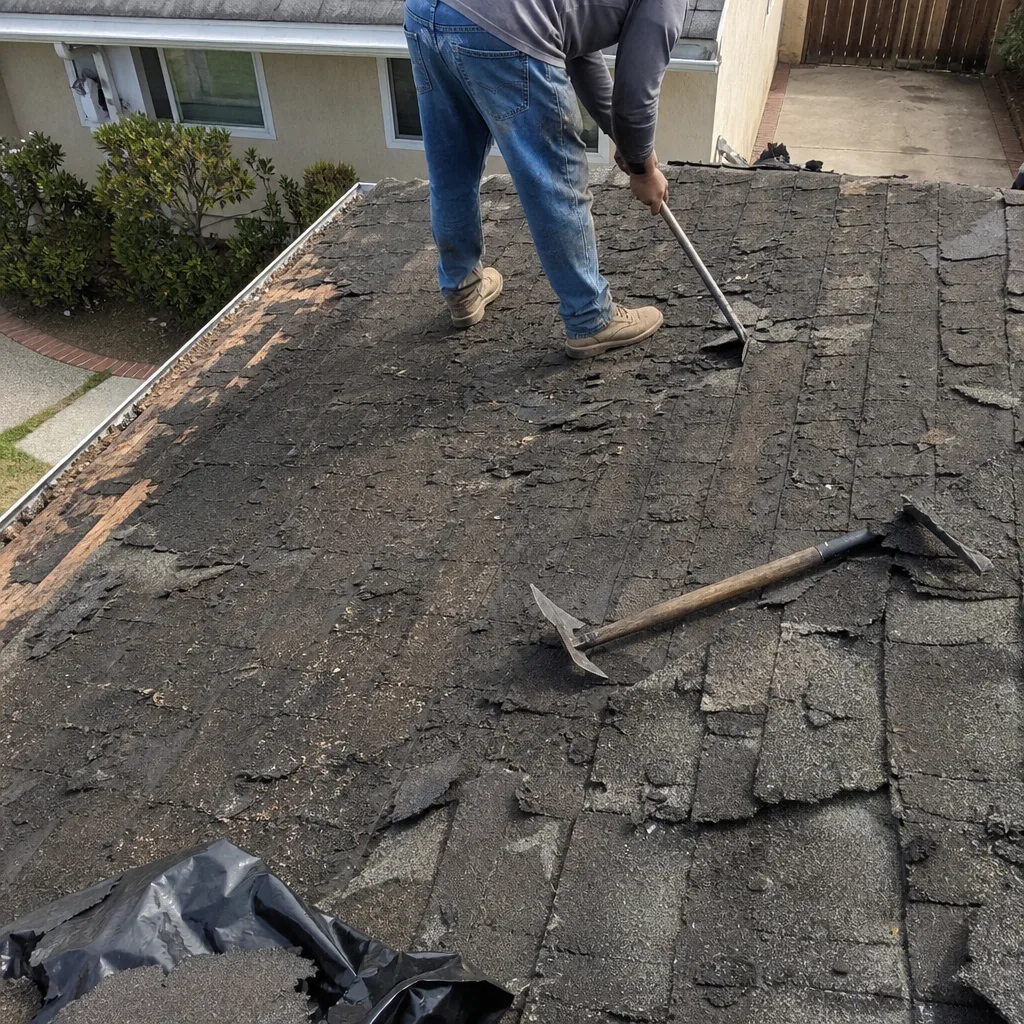 Before
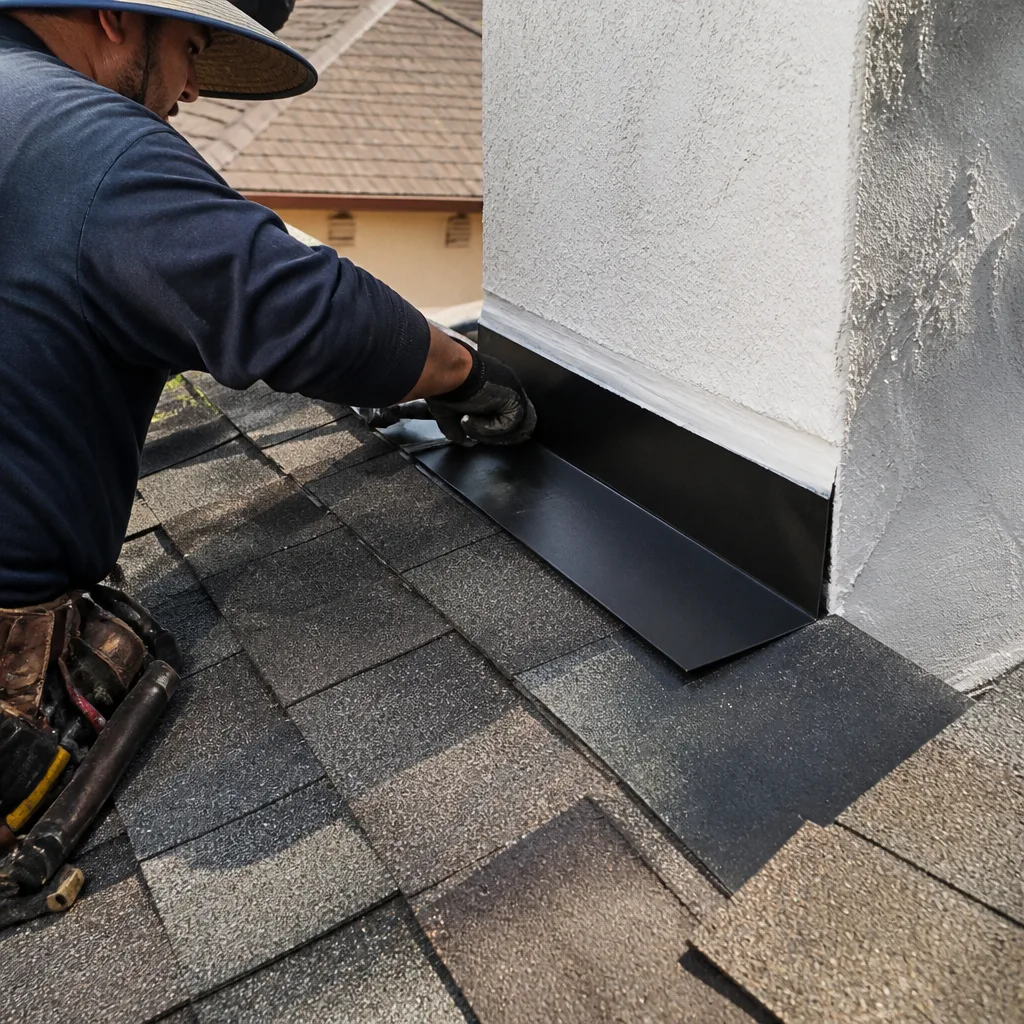 After
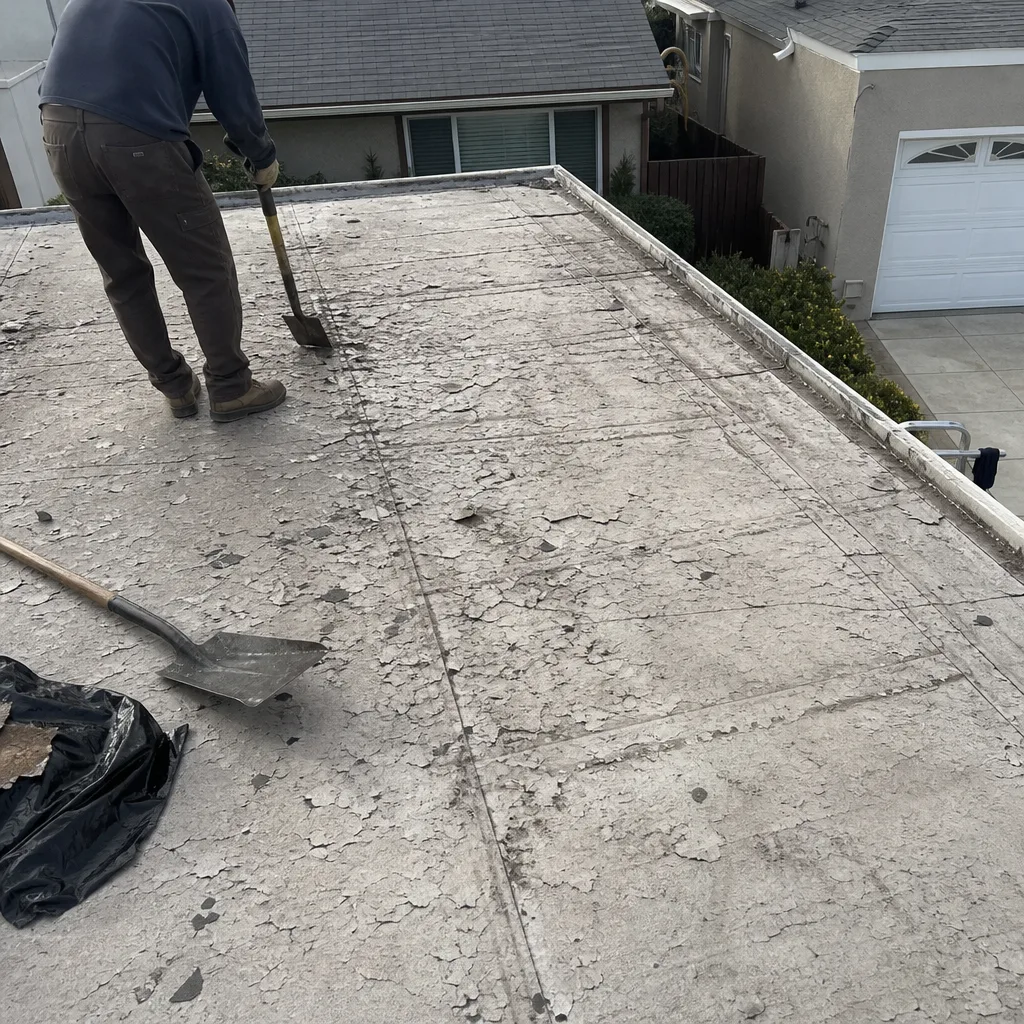 Before
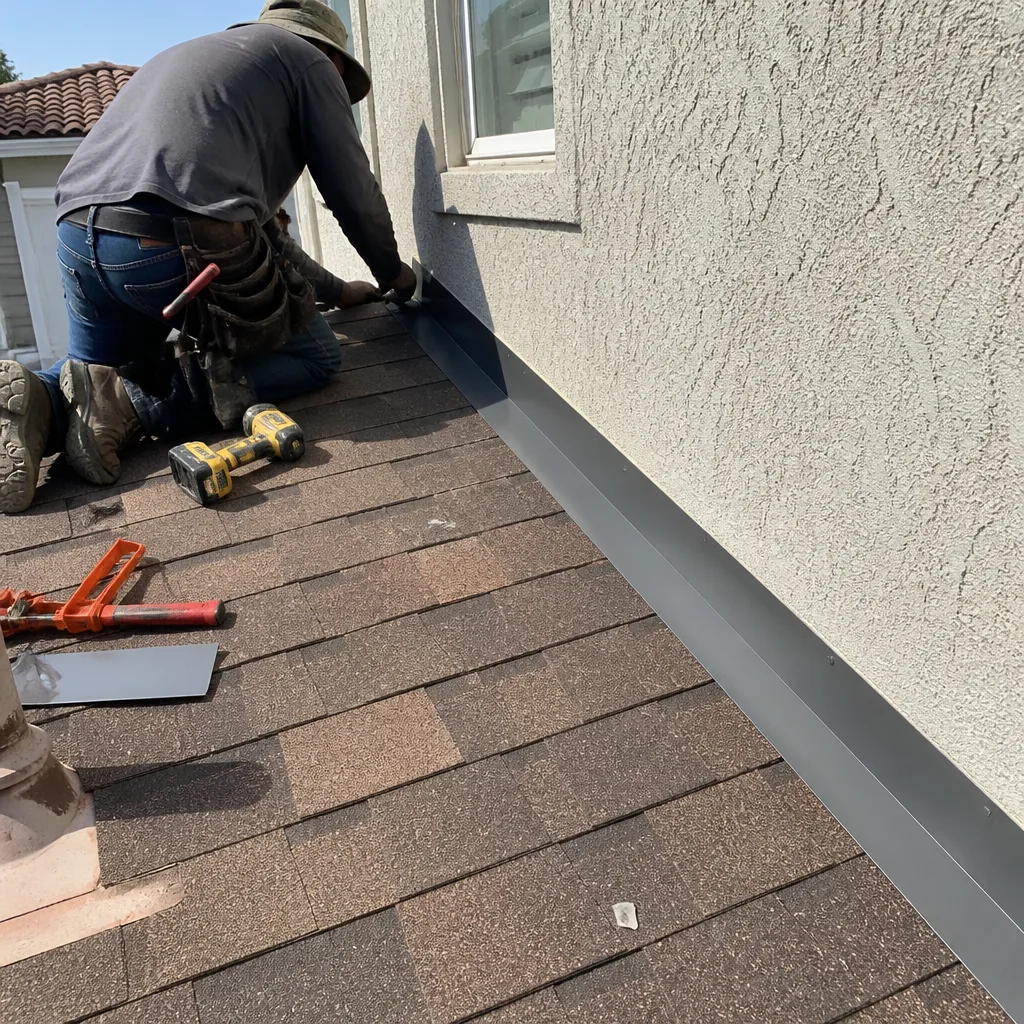 After