
Last updated October 30, 2026
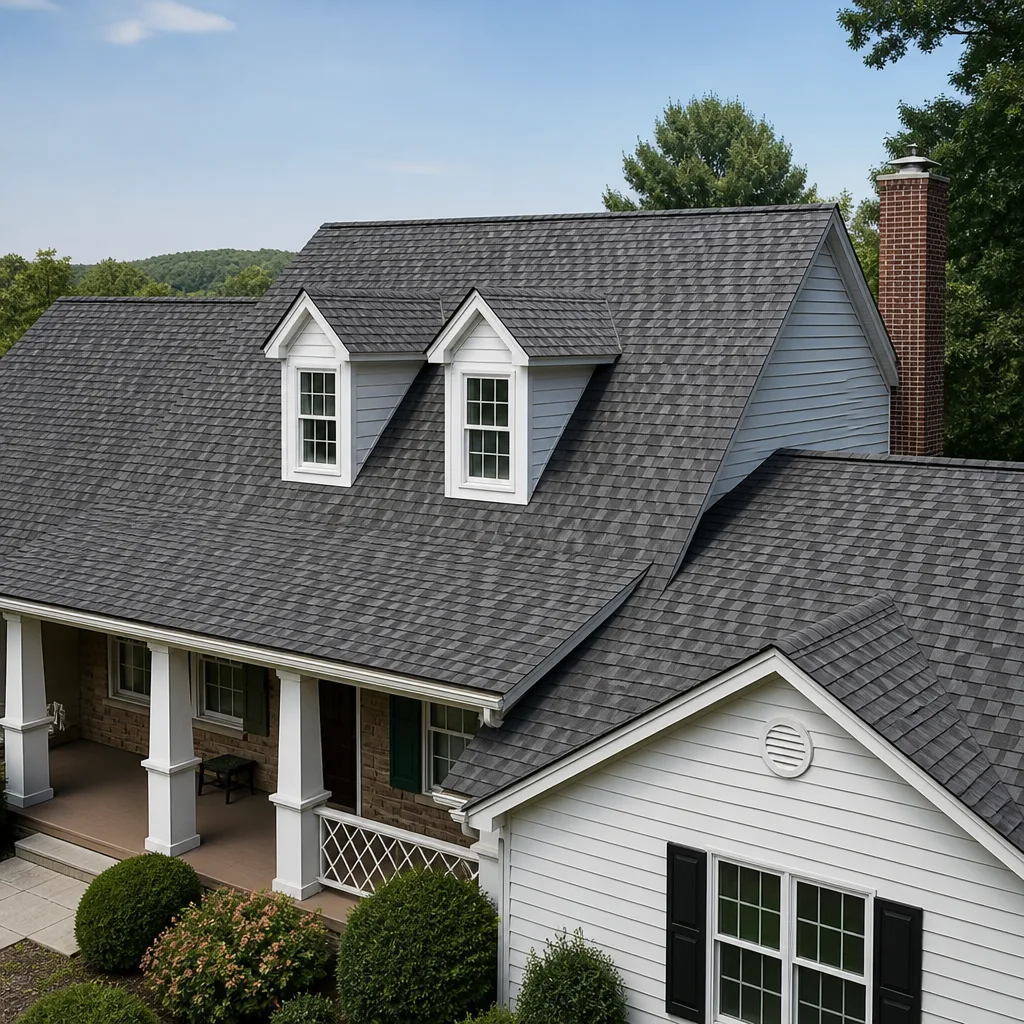
 Architectural shingles
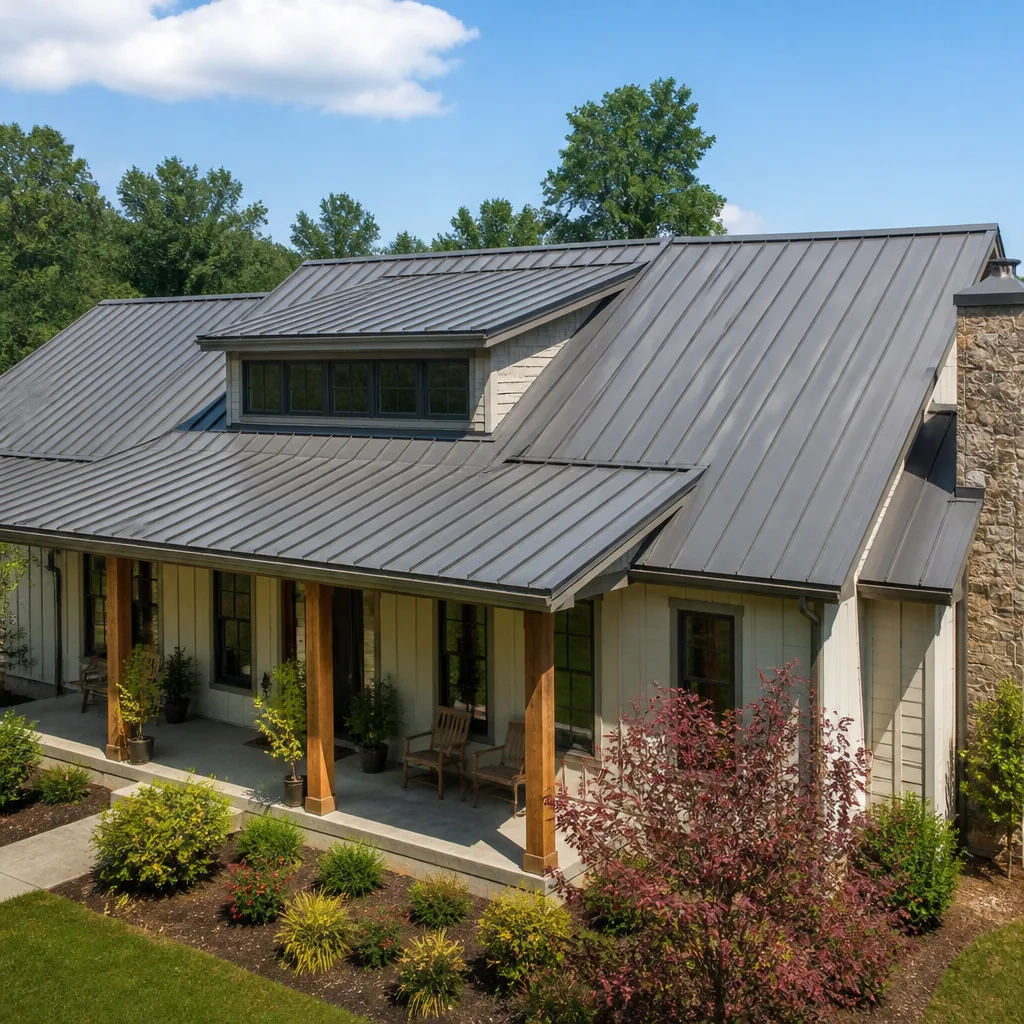 Metal roofing
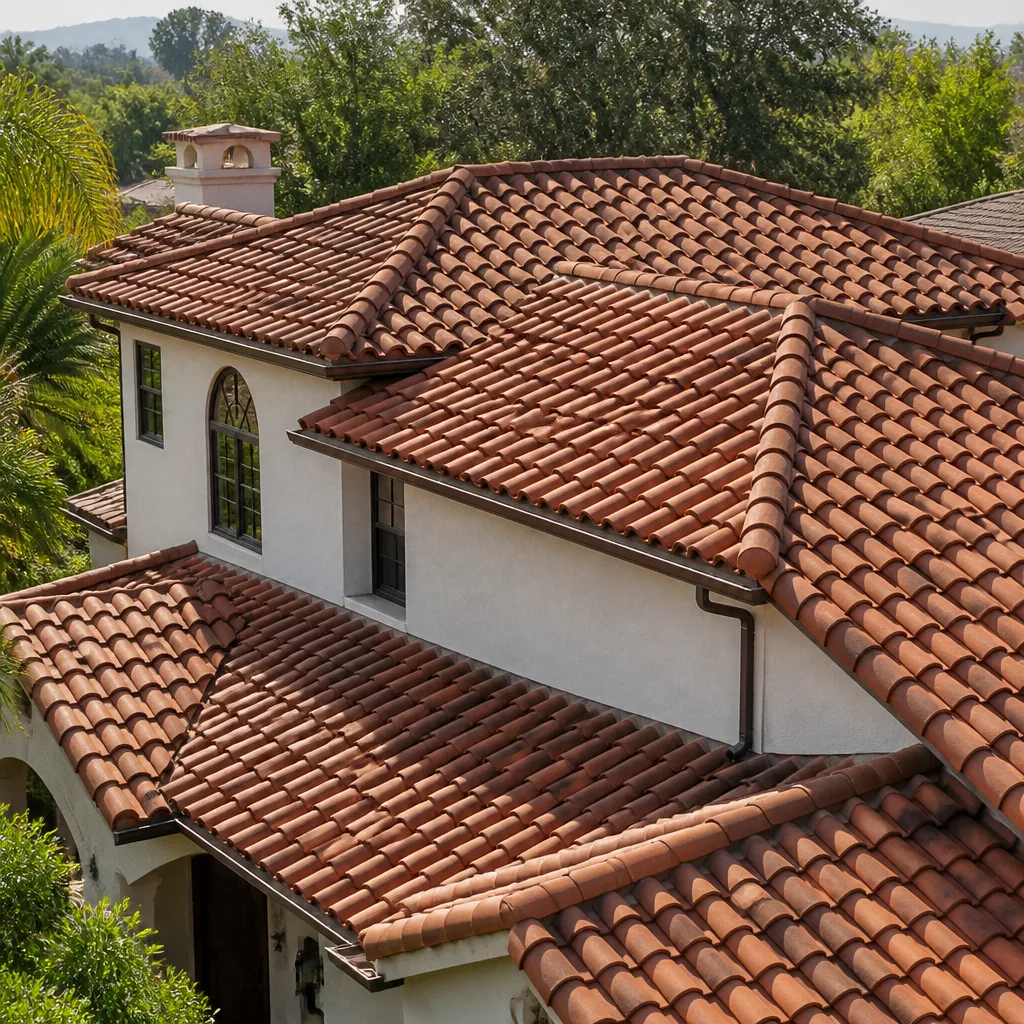 Tile roofing
 GAF
 Owens Corning
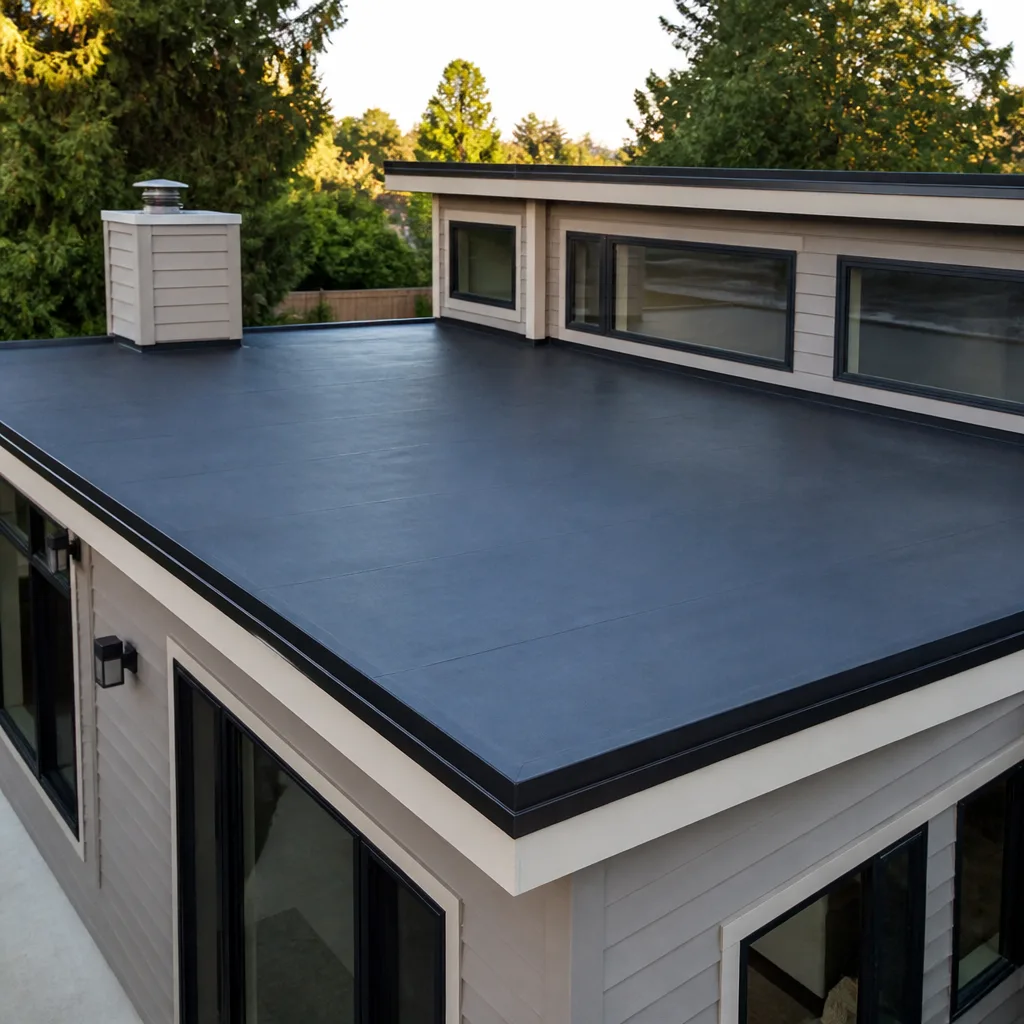 Flat & low-slope
Free roof inspection with deck photos before we talk money - GAF and Owens Corning certified installation
The Complete Roof Repair Guide for Fountain Valley Homeowners
Most Fountain Valley roofs fail not from a single storm event but from salt-laden marine layer moisture cycling through micro-cracks over 3 to 5 seasons. By the time a stain appears on the ceiling, the damage is usually two layers deep. This guide—along with our DIY vs Professional Roofing: The Fountain Valley Homeowner’s Decision Guide—walks you through the full repair decision tree specific to Fountain Valley’s coastal-adjacent climate, so you’ll know exactly what’s wrong, whether it’s worth fixing, and how to make sure the repair actually lasts. We’ll cover material-specific failure patterns, the correct repair sequence most contractors skip, and how to read a scope of work like someone who’s seen a thousand of them.
Quick Answer
Roof Repair services in Fountain Valley typically cost between $350 and $1,800 depending on the material, the depth of damage, and whether flashing or underlayment is involved. If your roof is under 15 years old and the damage is localized, repair is almost always the right call. If the roof is past 20 years with visible granule loss, curling shingles, or multiple soft spots, replacement becomes the cheaper option within 3 years.
Styles & brands we work with
Table of Contents
- Why Fountain Valley’s Climate Creates a Different Repair Sequence
- How to Spot Damage Before It Spreads
- Repair vs. Replace: The Condition-Based Decision Matrix
- The Correct Repair Sequence: Flashing and Underlayment First
- Material-Specific Repair Expectations
- How to Read a Contractor’s Scope of Work Line by Line
- Common Mistakes to Avoid
- When to Call a Professional
Why Fountain Valley’s Climate Creates a Different Repair Sequence
Fountain Valley sits about four miles from the Pacific, which means the marine layer rolls in most evenings between May and August. That nightly moisture exposure is the single most underrated factor in local roof deterioration. Homeowners in Rancho Cucamonga or Riverside deal with dry heat. We deal with humidity cycles that condense inside micro-cracks, then evaporate, then condense again. Each cycle pulls salt and mineral deposits deeper into the roofing material.
Here’s the specific sequence we see play out in Fountain Valley neighborhoods like Green Valley and Westmont:
- Micro-cracking begins. UV exposure breaks down the polymer binders in asphalt shingles or the glaze on concrete tile. This happens in every Southern California climate, but the marine layer accelerates it because the temperature swings between warm days and cool, moist nights cause repeated expansion and contraction.
- Salt-laden moisture enters the cracks. Every fog event deposits a thin film of salt inside those fissures. Salt is hygroscopic, meaning it pulls more moisture toward itself. The crack stays damp longer than it would inland.
- The underlayment becomes the last line of defense. Once surface material is compromised, water reaches the underlayment. In Fountain Valley, that underlayment gets wet far more often than it would in a dry climate, which means it fails faster once exposed.
- Decking and rafter tails absorb moisture. By the time a stain shows inside the house, the plywood decking beneath the underlayment has usually been wet for months. That’s the “two layers deep” problem.
Understanding this sequence matters because it determines what a repair has to accomplish. Patching shingles without addressing the underlayment beneath them is a temporary bandage in Fountain Valley, not a fix. The marine layer will find the gap.
How to Spot Damage Before It Spreads
Most homeowners don’t get on their roof. We understand why, but you can spot roughly 80% of developing problems from the ground or from inside the house. Here’s what to look for, organized by what you’ll actually notice first.
Inside the house:
- Ceiling stains in a line, not a circle. A round stain usually means a single drip. A linear stain following a truss or joist line means water is traveling, which indicates it’s been entering for a while and running along structural members.
- Paint bubbling or peeling on upper walls near the ceiling. Water wicks downward and outward. If the stain is on a wall rather than the ceiling, the leak is likely at a flashing point, not the open field of the roof.
- Musty smell in the attic during summer. The heat bakes moisture out of sheathing, and that smell is distinct. If you smell it, you have trapped moisture somewhere.
From the ground:
- Granules collecting in gutters or at downspout outlets. Asphalt shingles shed granules as they age. Some shedding is normal in year one. Steady loss after year 10 means the shingle surface is degrading and losing its UV protection.
- Curling at shingle corners or edges. In Fountain Valley’s sun exposure, curling typically starts on southern and western roof planes. Once curling begins, the shingle’s waterproof seal is breaking.
- Cracked or displaced concrete tiles. Tile can crack from impact or from substrate movement. A cracked tile doesn’t always leak, but it exposes the underlayment to direct UV and moisture, which shortens the underlayment’s life.
- Rust staining on flashing or vent pipes. Rust means the galvanic coating has failed. That’s an early warning that the flashing will start leaking within 12 to 24 months.
If you’d rather not do the detective work yourself, you can always start with a professional assessment. Our Roof Inspection in Fountain Valley service is built for exactly this stage.
Repair vs. Replace: The Condition-Based Decision Matrix
This is the question every Fountain Valley homeowner asks: fix it or replace it. The honest answer depends on four variables: roof age, damage extent, material type, and your intended timeline in the home. Here’s how we think about it.
Repair makes financial sense when:
- The roof is under 15 years old and the damage is localized to one area, one slope, or a single penetration like a vent or skylight.
- The underlayment in the affected area is intact or can be locally replaced without peeling back large sections.
- The damage was caused by a specific, identifiable event like a branch impact or a single windstorm that lifted shingles.
- Less than 15% of the total roof surface is compromised.
Replacement is cheaper within 3 years when:
- The roof is past 20 years old and shows widespread granule loss, curling, or multiple soft spots.
- Leaks have appeared in more than one interior location, especially if those locations are on different roof planes.
- The underlayment has failed in multiple areas, which suggests systemic degradation rather than isolated damage.
- You’re planning to stay in the home for 7 or more years and the repair costs would exceed 30% of a full replacement.
Here’s the counterintuitive part: chasing repeated repairs on an aging roof is almost always more expensive than replacing at the right moment. A $600 repair that lasts 14 months repeated four times over five years costs $2,400, and you still have a failing roof. At that point, you’ve spent a third of the replacement cost and bought nothing durable. If you’re weighing this decision, our Roof Replacement in Fountain Valley guide covers the replacement side in depth.
The Correct Repair Sequence: Flashing and Underlayment First
Most leak repairs fail because the contractor fixes the surface and ignores what’s underneath. In Fountain Valley’s moisture-heavy air, that’s a guaranteed callback. Here’s the sequence we follow, and it’s the one you should look for in any scope of work.
Step 1: Identify the true entry point. Water travels. The entry point on the roof surface is often 3 to 6 feet away from where the stain appears inside. A proper repair starts with a water trace, not a visual guess.
Step 2: Assess and address the flashing. The majority of roof leaks in Fountain Valley occur at flashing points: chimneys, skylights, vent pipes, valleys, and wall intersections. Metal flashing expands and contracts with temperature fluctuations, and over years of marine layer cycles, the sealant around it degrades. If the flashing is the entry point, no amount of shingle replacement will fix the problem.
Step 3: Inspect and locally replace underlayment. Once the surface material is peeled back, the underlayment is visible. If it’s cracked, brittle, or saturated, that section must come out and be replaced before new surface material goes on. Skipping this step means sealing water in under the new repair, which accelerates rot.
Step 4: Install or restore surface material. Only after the flashing and underlayment are sound do you install the final layer. This is the visible part of the repair, but it’s the last step, not the first.
Step 5: Seal and re-flash all adjacent transitions. Where the new material meets old material, you need a proper transition, not a bead of caulk. Roofing cement is a temporary bandage. A transition that will last requires the same overlapping technique used in original installation.
We work across seven major roofing brands including Owens Corning, IKO, and Atlas, which means we’re not locked into a single material system when a repair requires matching or upgrading. The right material for your roof determines our recommendation, not what we happen to stock.
Material-Specific Repair Expectations
Different roofing materials respond differently to Fountain Valley’s climate, and they also repair differently. Here’s what a “repaired” roof realistically delivers for each major material type.
Asphalt Shingle Roofs
Asphalt shingles are the most common roofing material in Fountain Valley’s tract home neighborhoods. A proper shingle repair can be nearly invisible within a year as shingles weather and colors normalize. The key variable is the underlayment beneath the shingles. If the underlayment is intact, a shingle repair is straightforward and can last the remaining life of the roof. If the underlayment is failing, shingle repair is wasted effort.
Realistic expectation: a properly done shingle repair on a roof under 12 years old should last 8 to 12 years, effectively for the remaining useful life of the field shingles. Shingles from manufacturers like Owens Corning and IKO have specific installation requirements for nailing patterns and seal strips, and those details matter for repair longevity.
Concrete Tile Roofs
Concrete tile is common in Fountain Valley’s newer developments and Mediterranean-style homes. Here’s the thing about tile: the tile itself is not the waterproof layer. The underlayment beneath the tile is what keeps water out. A cracked or displaced tile can be replaced fairly easily, and that repair addresses the immediate UV protection gap. But if water has been penetrating through the tile gaps for a season or more, the underlayment beneath is already compromised.
Realistic expectation: a single tile replacement on a roof with sound underlayment is a 15-minute job that lasts decades. A tile repair on a roof with failing underlayment is cosmetic. In Fountain Valley, a concrete tile roof that’s 25 to 30 years old with original underlayment will eventually need that underlayment replaced, even if the tiles themselves look fine. That’s a re-roof, not a repair.
Flat Roofs (TPO, Modified Bitumen, Built-Up)
Flat roofs on additions and mid-century homes in Fountain Valley handle marine layer moisture differently from sloped roofs. Water sits on a flat roof after fog events, even if it doesn’t rain. That means seams and penetrations are under constant moisture stress. A TPO repair involves heat-welding new membrane over the damaged section, which creates a monolithic patch. Modified bitumen can be patched with torch-down material. Built-up roofs are patched with layers of asphalt and fabric.
Realistic expectation: a properly welded TPO patch can perform as well as the surrounding membrane and last 10 to 15 years. The weak points on any flat roof are the penetrations and edge terminations, not the field. If a flat roof leak is at a penetration, the repair must address the flash detail, not just the membrane around it. Atlas and Tamko both manufacture flat roofing systems, and matching the repair material to the original system is critical for proper adhesion.
How to Read a Contractor’s Scope of Work Line by Line
This is where most homeowners get lost, and where less honest contractors create ambiguity. A proper repair scope is specific. If the scope is vague, the work will be vague. Here’s how to read it.
Look for materials specified by name. “Install new shingles” is a red flag. “Install Owens Corning Duration shingles in Driftwood, 24 squares” tells you exactly what’s going on. If the scope doesn’t name the material, you can’t verify what was installed, and that matters for warranty purposes and future repairs. We install and service products from all seven major manufacturers, so we write the exact product name into every scope.
Look for demolition and disposal language. “Remove existing shingles” should be followed by “dispose of all debris.” If disposal isn’t mentioned, it’s not happening, or you’re paying for it as an added cost later.
Look for underlayment specification. The word “underlayment” should appear in any repair that involves removing surface material. It should specify the type: synthetic, felt, self-adhered ice and water shield. If the word doesn’t appear, the underlayment isn’t being touched, which means the repair is surface-only.
Look for flashing language. “Re-flash chimney” or “replace pipe boot flashing” is specific. “Flashing as needed” is not. In a Fountain Valley repair, flashing is often the root cause, and the scope should name the specific flashing points being addressed.
Look for the warranty terms. A specific workmanship warranty should be in writing: “3-year workmanship warranty on all repair areas.” Verbal warranties are worth the air they’re spoken with. Material warranties from manufacturers like Atlas and Tamko are separate from workmanship warranties, and you should know which is which.
Look for the payment schedule. A repair should not require more than a small deposit or nothing at all up front. Full payment before work begins is a red flag. A line-item breakdown lets you see exactly what each component costs rather than accepting a lump sum.
If you’re reviewing scopes from multiple contractors and want a second set of eyes, you can reach us for a consultation through our Roof Repair in Fountain Valley page. We will tell you if the scope is solid or if it’s missing critical steps.
Common Mistakes to Avoid
- Sealing a leak from the inside. Spray foam or roof coating applied to the underside of decking traps moisture between the decking and the roofing material, which accelerates rot. The water entry point is on the top side, and that’s where the repair belongs.
- Ignoring a small stain because it hasn’t returned. In Fountain Valley, the marine layer means moisture exposure happens seasonally. A stain that appeared in winter and disappeared in summer doesn’t mean the leak healed. It means the conditions changed. The underlying damage continues year-round.
- Replacing surface material without touching flashing. If the flashing is the leak source, shingle replacement is purely cosmetic. Within 12 months, the stain returns and you’ve spent money on the wrong fix.
- Choosing a contractor based on price alone. The cheapest repair bid is usually the thinnest scope. When you compare scopes line by line, you’ll see the price difference is in omitted steps, not in savings being passed to you.
- Waiting until the roof is actively leaking to inspect it. Active leak repairs are more expensive because you’re paying for emergency response, interior protection, and rushed work. A roof inspection during dry season catches problems when they’re small and cheaper to fix.
- Assuming all roofers work with all materials. Many contractors stock one or two brands and push those regardless of fit. We work across seven manufacturers including Owens Corning, IKO, Atlas, and Tamko, which means the recommendation follows your roof’s requirements, not our inventory.
When to Call a Professional
You should call a professional for any roof issue that involves water penetration, visible structural movement, or safety concerns. That includes ceiling stains of any size, shingles or tiles that have blown off during wind events, visible sagging in any roof plane, and any leak near electrical fixtures. Walking on a damaged roof is genuinely dangerous, and ladder work on a two-story Fountain Valley home adds risk that isn’t worth taking to save an inspection fee. If you’ve spotted any of the warning signs covered in this guide, get a professional assessment—our How to Hire a Roofing Contractor in Fountain Valley: A Step-by-Step Guide can help—before the next fog season or rain system arrives. Willowbrook Roof Repair offers free estimates in Fountain Valley, call (866) 860-9404 to schedule one.
See the difference
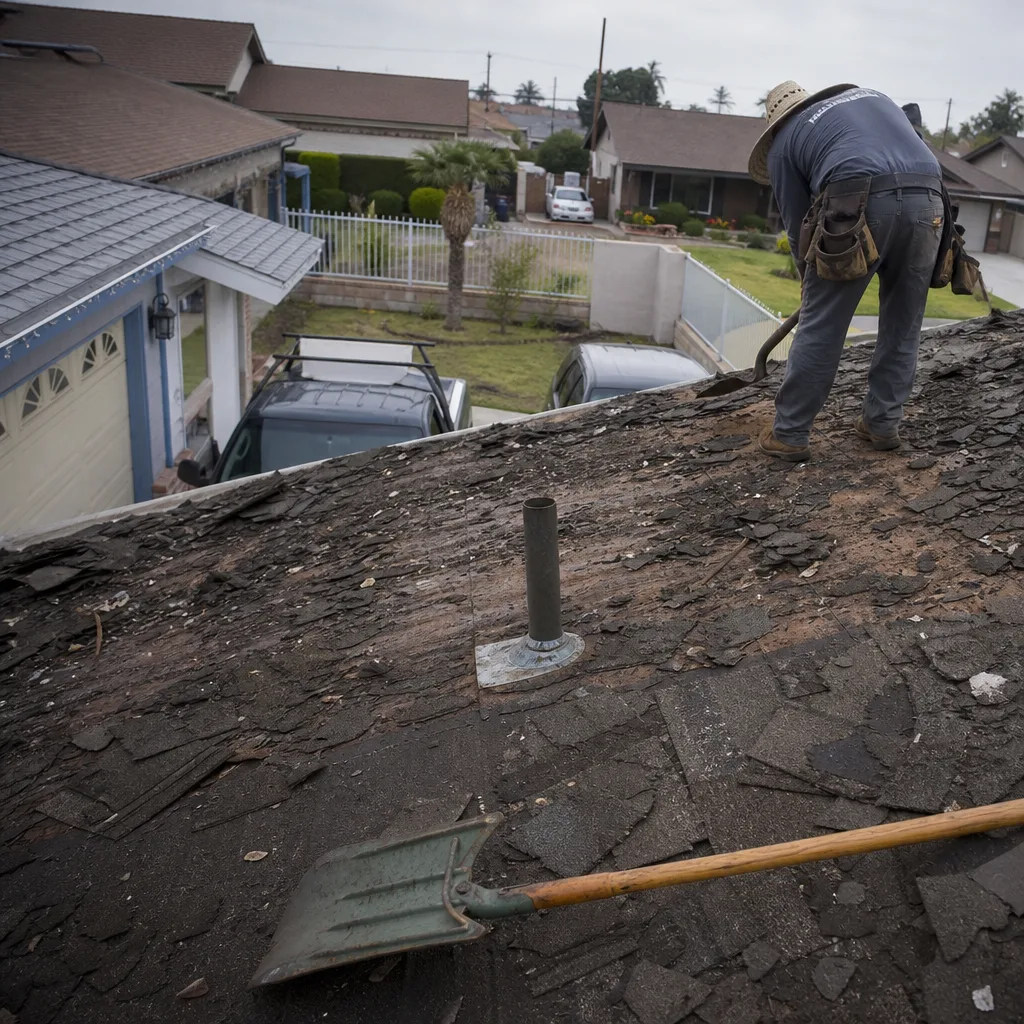 Before
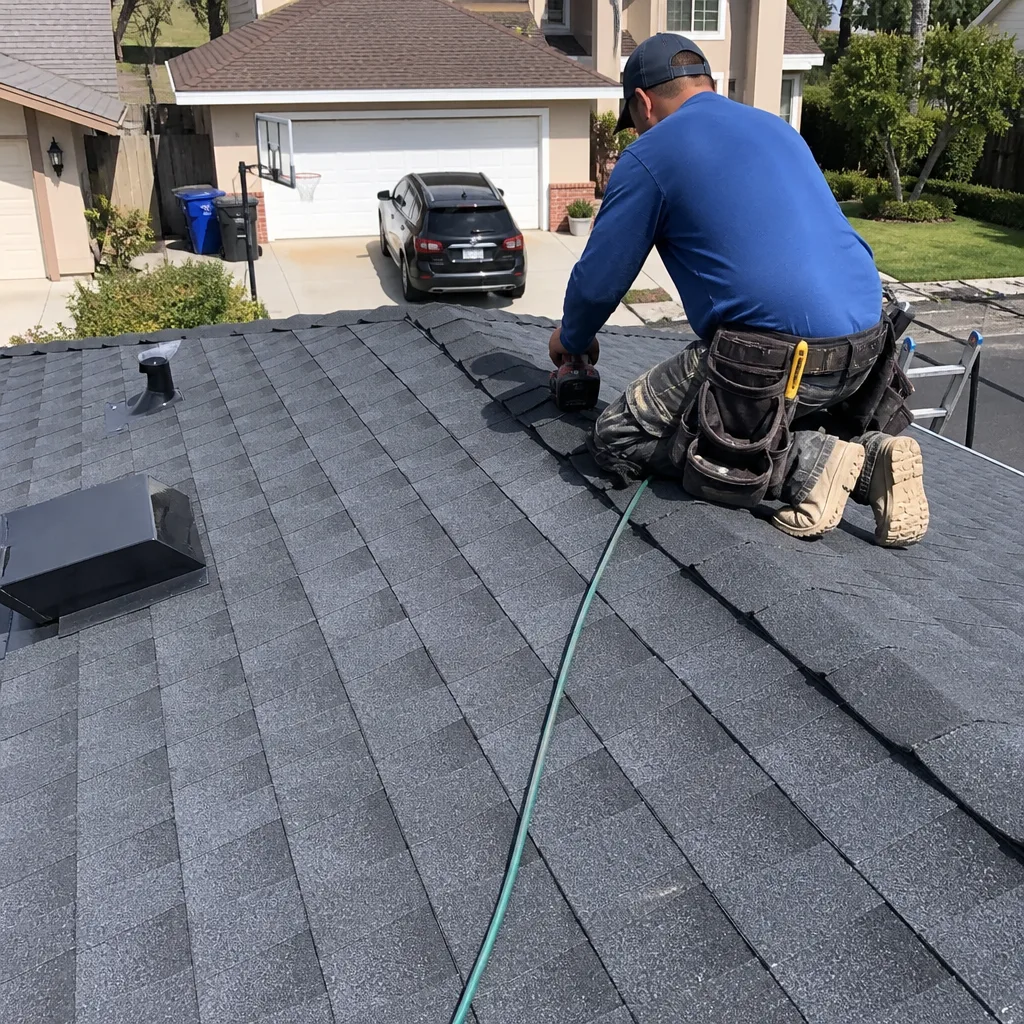 After
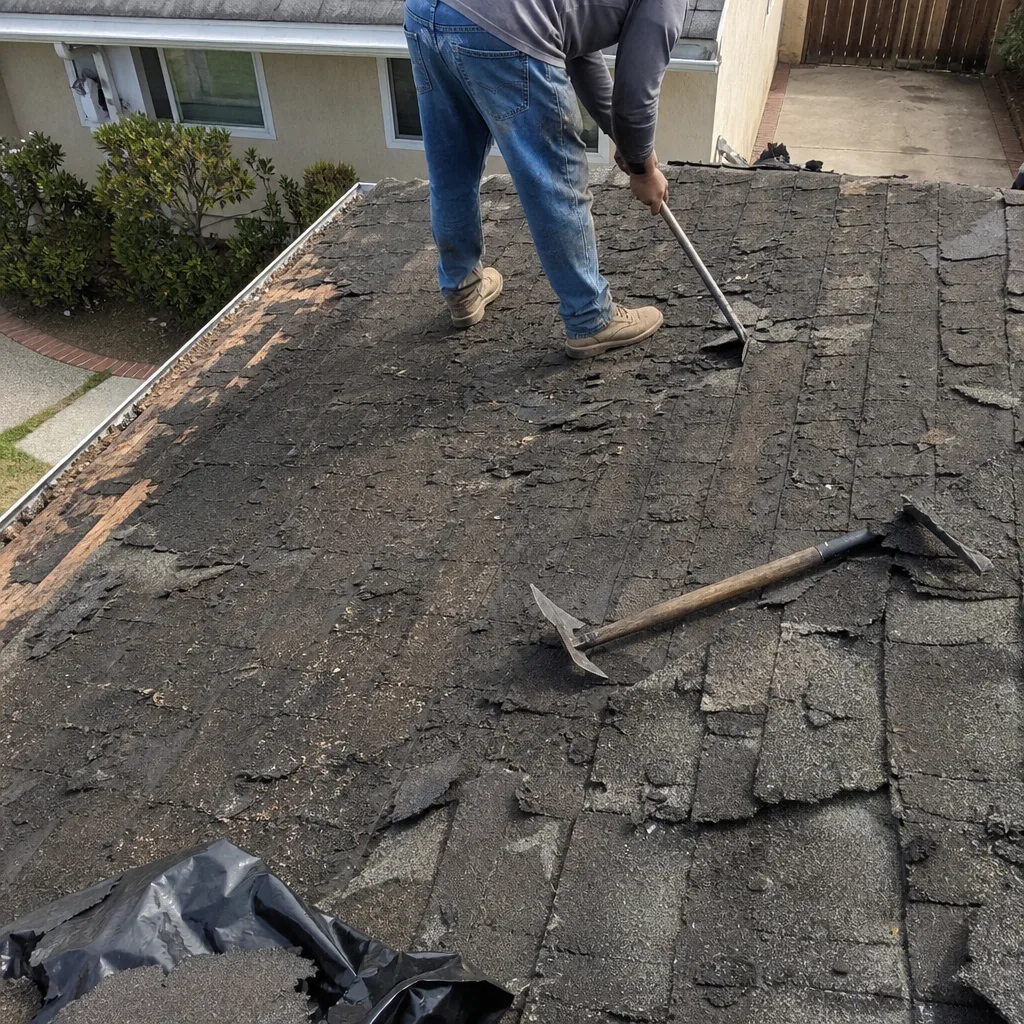 Before
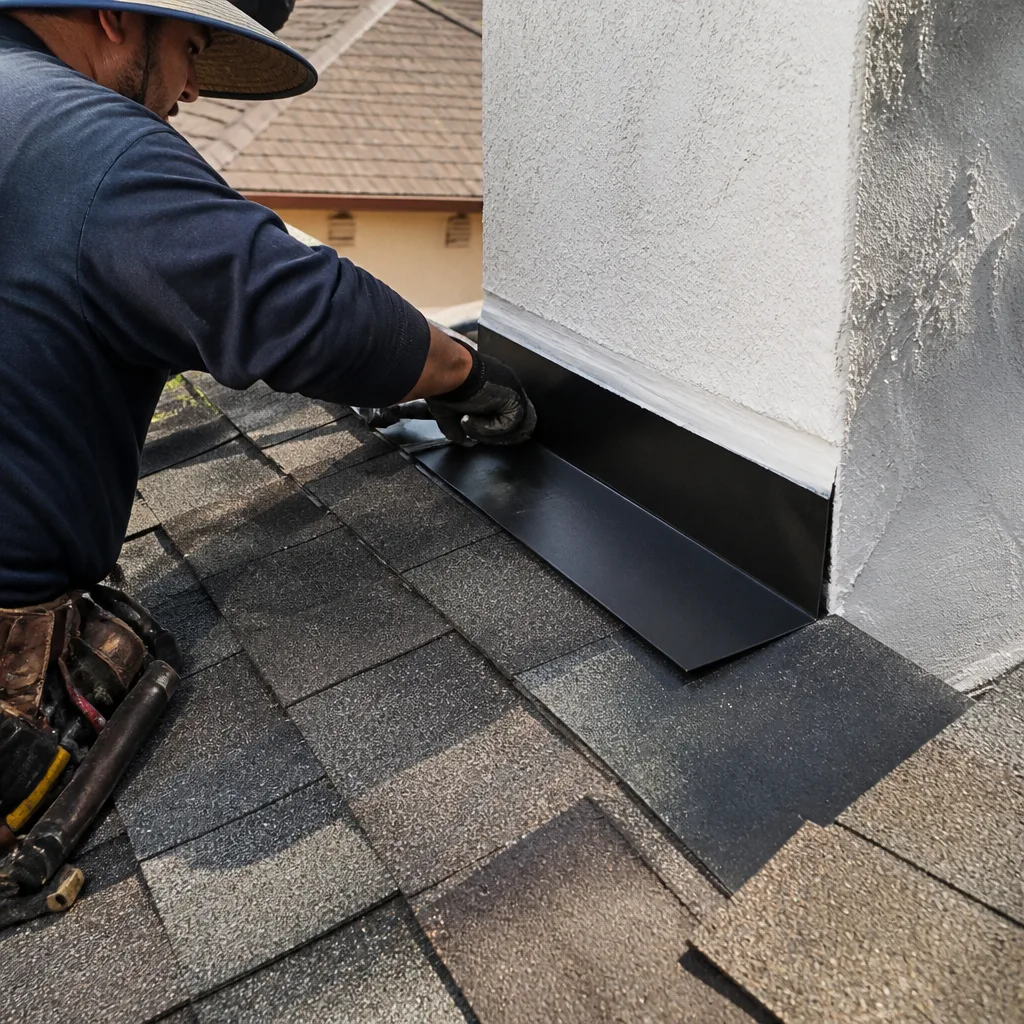 After
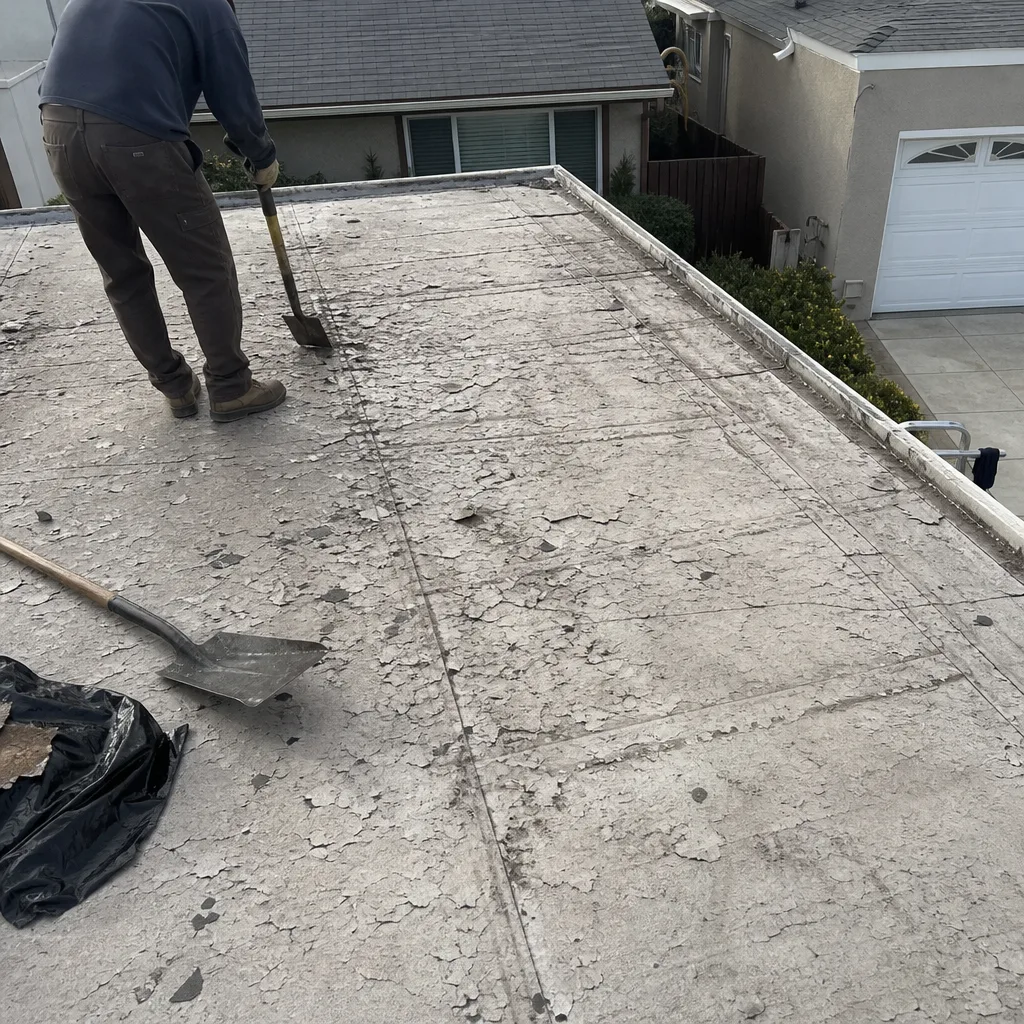 Before
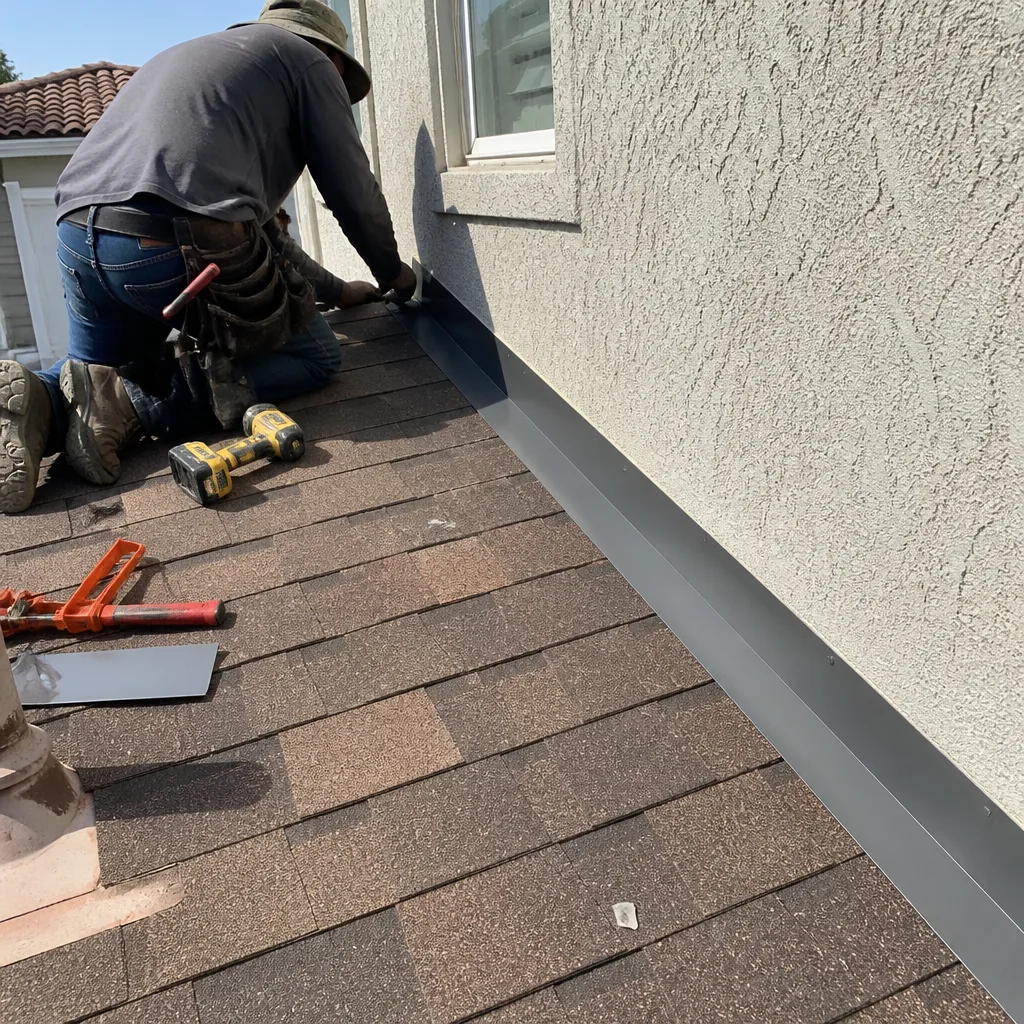 After
Frequently Asked Questions
Roof repair in Fountain Valley typically costs between $350 and $1,800. Minor repairs like replacing a few shingles or a single pipe boot flange run $350 to $600. Repairs involving flashing replacement at chimneys or skylights run $800 to $1,500. Repairs that require peeling back underlayment and replacing a section of decking can reach $1,800 or more depending on the size of the affected area. The specific material on your roof, the slope, and the depth of damage all affect the final number. Call (866) 860-9404 for an exact quote, estimates are free.
Yes, most localized repairs can be completed in a single day once the needed materials are on hand. A shingle replacement or flashing detail repair typically takes 2 to 4 hours. Repairs involving underlayment replacement and decking work may take a full day or extend into a second day depending on the square footage and drying requirements. Fountain Valley’s coastal humidity means we allow proper drying time for any decking before sealing it back up, so a rushed same-day job on a wet deck is something we avoid deliberately.
It can, but only if the underlying damage is worse than what was visible before the surface material was removed. That’s a legitimate possibility on any roof repair, because the decking and underlayment are hidden until the roof is opened. What should not change is the unit cost. A reputable contractor’s scope will specify what happens if additional damage is found: the additional square footage rate, the material cost per unit, and the labor rate. If those numbers aren’t in writing, you’re exposed to open-ended pricing. We provide written line-item scopes so you know exactly what each additional unit costs before we begin.
Most minor repairs in Fountain Valley don’t require a permit. The City of Fountain Valley building department generally allows repairs that replace less than a certain percentage of the roof surface without a permit, as long as the work doesn’t change the roof structure or material type. Full re-roofs and any work involving structural repair do require permits. If your contractor tells you a permit isn’t needed for a full tear-off, verify that with the city directly. The rules are specific to Fountain Valley and not all surrounding cities have the same thresholds.
A properly done repair on a roof under 15 years old should last for the remaining useful life of the surrounding roof, typically 8 to 12 years for asphalt shingles and 15 to 20 years for tile underlayment. The determining factor specific to Fountain Valley is whether the repair addressed the underlayment and flashing, not just the surface material. Surface-only repairs in this climate typically fail within 12 to 24 months because the marine layer moisture penetrates the same gaps that caused the original leak. That’s why we start every repair with a root-cause diagnosis, not a visual patch.
If your roof is under 15 years old and the damage is isolated to one area, it’s almost certainly repairable. If the roof is past 20 years old with granule loss, curling, or multiple soft spots across different roof planes, replacement is the cheaper long-term move. You can make a preliminary determination using the decision matrix in this guide, but the definitive answer requires getting on the roof and checking the underlayment and decking condition. Call (866) 860-9404 for a free estimate. We’ll tell you honestly if repair is worth your money or if replacement is where the value is.
The Bottom Line
Fountain Valley roofs face a specific challenge: marine layer moisture cycling through micro-cracks over multiple seasons, quietly degrading underlayment long before you see a stain. The repair decision comes down to age, extent, and material. Under 15 years old with localized damage? Repair, and make sure the scope includes flashing and underlayment, not just surface patches. Past 20 with widespread degradation? Repair money is better spent on replacement. Either way, the right contractor matters more than the cheapest bid. A real assessment tells you the truth before you spend a dollar. Willowbrook Roof Repair covers the full lifecycle, from first inspection through final replacement, across seven major manufacturers. From a single damaged section to a full tear-off, one call covers the entire job. Start with an inspection, get an honest answer, and decide with the full picture in hand. For more guides & resources, visit our blog..
Written by the team at Willowbrook Roof Repair, serving Fountain Valley since 2012.